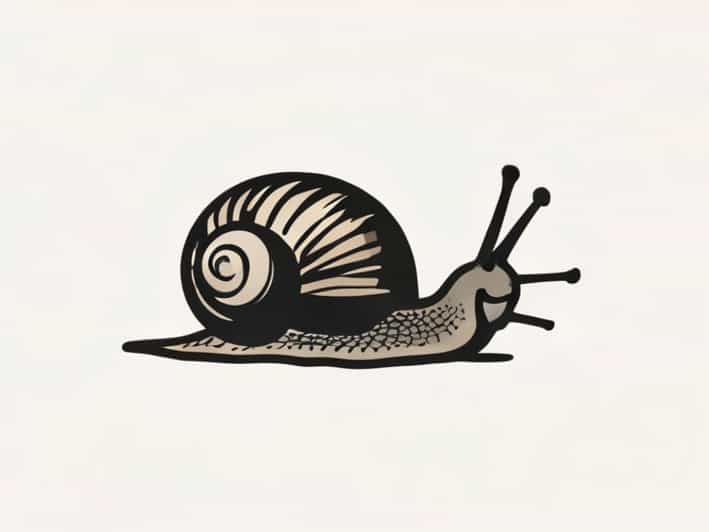
The Super Snail Battle of Plataea is a creative and humorous reimagining of one of history’s most decisive conflicts the Battle of Plataea in 479 BCE. In this whimsical version, the ancient Greek and Persian forces are replaced by determined, armored snails engaged in an epic showdown of patience, resilience, and unexpected valor. Blending real historical inspiration with imaginative storytelling, the Super Snail Battle of Plataea turns a legendary event into a slow-motion saga of courage and clever strategy. Beneath its lighthearted tone, it still carries themes of perseverance, teamwork, and triumph against overwhelming odds.
The Origin of the Super Snail Battle
The idea of the Super Snail Battle of Plataea likely emerged from a mix of fascination with ancient Greek history and a love for creative satire. The original Battle of Plataea marked the end of the Greco-Persian Wars, where the Greek city-states united to defeat the powerful Persian Empire. Translating this monumental event into a snail-sized world transforms the story into a symbol of persistence over brute strength.
In this parody version, snails from different regions each representing a Greek polis band together against a mighty invading force of exotic garden snails symbolizing the Persian army. What makes it super is the idea that these snails are not ordinary creatures. They possess unique shells, battle abilities, and remarkable endurance, turning what would normally be a slow crawl into a grand spectacle of miniature warfare.
The Setting Plataea Reimagined
The battlefield of Plataea, a grassy plain in ancient Greece, becomes a lush garden landscape in the snail version. Dew-covered leaves stand as mountains, and pebbles form natural fortresses. The terrain is wet and slippery, an ideal environment for a snail army to move and strategize. Unlike human warriors, these snails wage war not with swords or spears but with shells, slime trails, and slow but steady maneuvers.
Each snail carries its home on its back an armor that reflects its identity. The Greek snails have sturdy, patterned shells representing different city-states such as Athens, Sparta, and Corinth. The Persian snails boast exotic, ornate shells that glimmer in the morning light, symbolizing the vast empire they come from. The battlefield at Plataea thus becomes a place where speed means little, but determination and clever tactics mean everything.
The Snail Commanders
Just like in the historical battle, leadership plays a key role in the Super Snail Battle of Plataea. The Greek side is led by the legendary Leonidas the Shell-Breaker, a descendant of the brave Spartan line. Calm and strategic, Leonidas commands with precision, using defensive formations such as the Mucus Phalanx, a sticky defensive wall made from slime to trap the enemy’s advance.
On the other side, the Persian snails are led by Xerxus the Slime Emperor, an ambitious and proud commander who seeks to dominate every patch of green in the garden. Xerxus’s army is vast and glittering, with elite warrior snails that specialize in long-distance mucus strikes. The stage is set for a dramatic showdown between wit and willpower, where every inch gained is earned through patience.
The Strategy of the Super Snails
Unlike fast-paced human battles, the snail conflict relies on endurance and terrain advantage. The Greek snails, aware of their smaller numbers, make clever use of garden obstacles hiding behind twigs, beneath leaves, and inside flower petals. They move in coordinated lines, leaving behind sticky trails to confuse their opponents. Communication happens through subtle vibrations and shell tapping, a silent language of strategy.
The Persian snails, confident in their size and numbers, advance boldly across the garden. However, they underestimate the cunning defenses of the Greeks. When the morning sun rises, drying out the battlefield, the Persians’ shiny shells begin to crack under heat, while the Greeks, protected by shaded areas, slowly surround them. The balance shifts, and the battle becomes a test of who can endure the changing environment longer.
The Turning Point
The turning point of the Super Snail Battle of Plataea comes when Leonidas the Shell-Breaker orders his troops to form the Shell Wall, a circular formation that reflects sunlight onto the enemy. Xerxus’s forces, blinded and disoriented, slip on their own slime and begin to lose formation. What was once a powerful advance turns into chaos as the disciplined Greek snails close in, inch by inch, reclaiming their territory.
At this moment, teamwork triumphs over pride. Even the slowest snails play a vital role, sealing gaps in the formation and fortifying the defense. The Persian commander retreats to the edge of the garden, realizing that domination through numbers is futile against cooperation and resilience.
Symbolism Behind the Battle
Although the Super Snail Battle of Plataea is a humorous adaptation, it carries deeper meaning. The snails represent persistence in the face of adversity a universal theme drawn from the real Battle of Plataea. The story emphasizes that progress, no matter how slow, can still lead to victory when guided by unity and patience. The slow crawl of the snails becomes a metaphor for determination, proving that strength does not always come from speed or size.
It also mirrors human history, showing how even small, underestimated forces can overcome vast powers when they share a common goal. The parody underscores the timeless lesson of cooperation and strategic thinking, wrapped in a playful narrative that appeals to both children and adults.
Reactions and Popular Appeal
The concept of the Super Snail Battle of Plataea gained popularity among fans of historical parodies and creative storytelling. It inspires artwork, animations, and even mock battle reenactments in miniature gardens. The idea captures imagination because it transforms a serious event into something approachable, funny, and full of charm. Viewers enjoy how ordinary snails, often seen as symbols of slowness, become unexpected heroes in a tale of courage.
In classrooms and creative writing communities, this fictional battle is sometimes used to teach lessons about patience, teamwork, and the importance of perseverance. It reminds people that success is not always about rushing ahead but about staying steady and focused on the goal.
Comparison with the Real Battle of Plataea
In historical context, the actual Battle of Plataea was fought between the allied Greek city-states and the Persian Empire in 479 BCE. It marked the final major confrontation of the Greco-Persian Wars and confirmed Greek independence. The Greeks used disciplined formations and superior tactics to defeat a numerically larger enemy. This historical event symbolizes the victory of unity and strategy over overwhelming force.
In the snail version, those same values are represented through humor and metaphor. The disciplined Greek snails mirror the real hoplites, while the Persian snails symbolize ambition and overconfidence. The slow pace of the battle adds irony it may be a snail fight, but the lessons remain timeless.
Legacy of the Super Snail Battle
Over time, the Super Snail Battle of Plataea has become a cultural symbol of slow but steady determination. It inspires creative projects, from storytelling competitions to animated short films. Fans enjoy interpreting the battle in different artistic ways some make it comedic, while others emphasize its moral lessons. Its enduring charm lies in its ability to combine humor, imagination, and history into a single engaging tale.
More than a parody, it’s a celebration of the idea that even the smallest creatures or the smallest efforts can make a big difference when they work together. The snails of Plataea, though fictional, remind us of a real human truth victory often belongs not to the fastest or strongest, but to the most determined.
The Super Snail Battle of Plataea transforms a legendary historical conflict into a whimsical yet meaningful story about endurance, unity, and courage. Through its slow-moving heroes and vivid garden battlefield, it reimagines one of history’s greatest moments in a fresh and entertaining light. While the snails may move slowly, their spirit of persistence moves swiftly through the imagination of those who encounter their tale. Just like the ancient Greeks at Plataea, these tiny warriors show that determination, strategy, and cooperation can conquer even the mightiest challenges one small, steady step at a time.