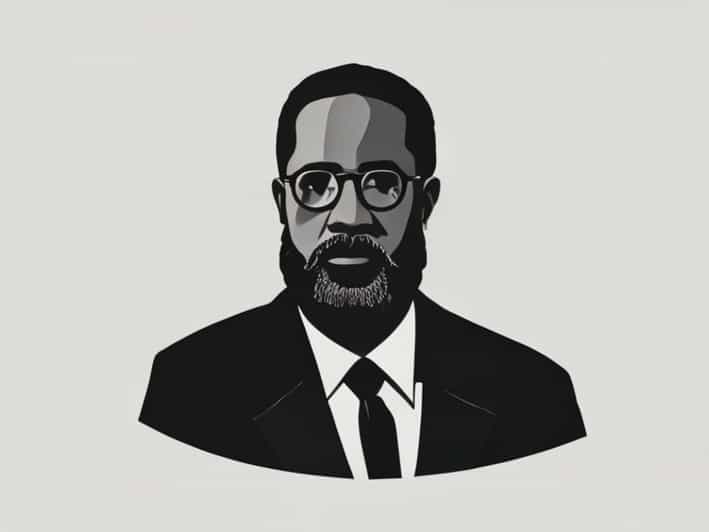
The Honorable Minister Louis Farrakhan is a prominent figure in American religious, social, and political life, known for his leadership within the Nation of Islam and his influence on African American communities. His life and work span decades, marked by efforts to promote self-reliance, moral discipline, and social justice among marginalized communities. As a speaker and activist, Minister Farrakhan has inspired millions through his sermons, writings, and public appearances, often addressing issues such as education, economic empowerment, and racial equality. Understanding the life, teachings, and impact of Minister Louis Farrakhan provides insight into a complex figure whose legacy continues to spark discussion and debate.
Early Life and Background
Louis Farrakhan was born Louis Eugene Walcott on May 11, 1933, in The Bronx, New York. Growing up in a challenging environment, he experienced firsthand the struggles of African American communities in the mid-20th century. Farrakhan’s early exposure to music and oratory helped shape his public speaking skills, which later became a hallmark of his leadership style. His formative years also included a keen interest in social issues, religion, and cultural identity, laying the foundation for his future work with the Nation of Islam.
Education and Early Career
Before entering religious leadership, Farrakhan pursued higher education and artistic endeavors. He attended public schools in New York and studied at various institutions, developing a broad understanding of social sciences, history, and religion. In his early career, he was also involved in music, performing as a violinist and singing in notable ensembles. These experiences honed his ability to communicate effectively and connect with audiences, skills that would become central to his ministry and public influence.
Joining the Nation of Islam
Farrakhan’s religious journey led him to the Nation of Islam, where he became a devoted student and eventually a prominent leader. The Nation of Islam, founded in the 1930s, emphasizes black empowerment, self-discipline, and spiritual growth through Islamic teachings. Farrakhan’s leadership style combined charismatic oratory with strategic organizational skills, allowing him to expand the reach of the Nation of Islam and influence national discourse on race, religion, and justice.
Rise to Prominence
Farrakhan rose to prominence in the 1970s and 1980s, gaining national attention for his ability to address complex social and political issues from a religious perspective. His speeches often focus on the challenges faced by African American communities, including economic disparity, education inequities, and systemic discrimination. He became known for calling for community unity, personal responsibility, and the development of strong cultural and moral foundations. Through his work, Farrakhan built a dedicated following and became a key figure in discussions surrounding African American empowerment.
Teachings and Philosophy
The teachings of Minister Louis Farrakhan emphasize the importance of self-reliance, discipline, and moral integrity. Central to his philosophy is the idea that African Americans and other marginalized communities must cultivate economic independence, education, and cultural pride to achieve true empowerment. Farrakhan also underscores the role of religion in providing spiritual guidance and ethical principles for personal and community development. His messages frequently encourage resilience, strategic thinking, and the pursuit of justice through nonviolent means.
Community and Social Initiatives
Beyond preaching, Farrakhan has been involved in numerous community programs aimed at uplifting disadvantaged populations. Initiatives include educational programs, economic development projects, and mentorship opportunities for youth. These efforts reflect his commitment to tangible solutions for systemic problems, demonstrating how leadership can extend beyond rhetoric into practical community impact. By addressing both spiritual and material needs, Farrakhan’s approach seeks to foster holistic development within communities.
Controversies and Criticism
Despite his accomplishments, Minister Louis Farrakhan has been a polarizing figure, attracting significant criticism for his outspoken views. Some of his statements on race, religion, and politics have sparked debate and controversy, drawing attention from media, civil rights organizations, and political leaders. Critics argue that certain remarks may exacerbate divisions, while supporters contend that Farrakhan is addressing uncomfortable truths and advocating for justice. Understanding both the praise and criticism provides a balanced perspective on his influence and the challenges of public leadership.
Media and Public Perception
Farrakhan’s relationship with the media has often been contentious. Coverage of his speeches and activities tends to highlight both his advocacy for African American empowerment and the controversies surrounding his rhetoric. Public perception varies widely, with some viewing him as a transformative leader and others as a divisive figure. The interplay between media portrayal and community response illustrates the complexities of leadership in a highly scrutinized public arena.
Legacy and Influence
The legacy of the Honorable Minister Louis Farrakhan is multifaceted, encompassing spiritual leadership, social activism, and cultural influence. His emphasis on education, self-reliance, and community cohesion has inspired generations of African Americans to pursue personal growth and social advancement. Farrakhan’s ability to mobilize large audiences, advocate for justice, and challenge systemic inequality underscores his enduring impact on both religious and civic life. His teachings continue to resonate, encouraging dialogue and reflection on issues of race, faith, and empowerment.
Impact on African American Communities
One of Farrakhan’s most significant contributions has been his influence on African American communities, particularly in urban centers. By promoting education, economic self-sufficiency, and moral discipline, he has provided a framework for community development and resilience. Programs initiated under his guidance have helped to create opportunities for youth and families, fostering a sense of pride and purpose. His legacy in this regard reflects the potential for religious leadership to effect positive social change.
The Honorable Minister Louis Farrakhan remains a figure of considerable importance in American society. His life and work demonstrate a commitment to spiritual leadership, community empowerment, and the pursuit of justice. While his views have sparked controversy, his influence on African American culture, religious discourse, and social activism is undeniable. By examining his teachings, initiatives, and public impact, one can appreciate the complexities of his legacy. Minister Farrakhan’s message of self-reliance, moral integrity, and community solidarity continues to inspire dialogue, action, and reflection, making him a prominent and enduring figure in contemporary history.