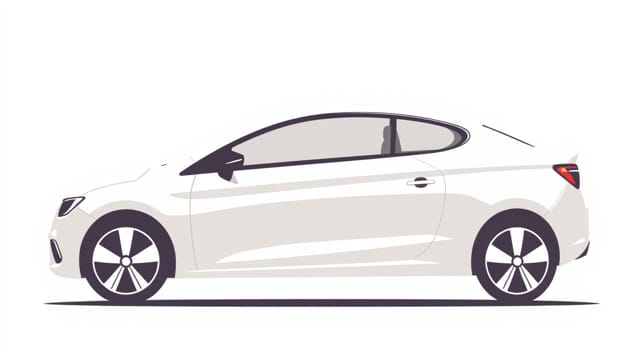
The Kadett C Coupe GTE stands as one of the most iconic compact sports coupes of the 1970s, a symbol of Opel’s dedication to motorsport-inspired engineering and design. Introduced as a performance variant of the Kadett C, the GTE version was tailored for driving enthusiasts who wanted speed, style, and agility in a practical two-door package. With its unique blend of lightweight construction, powerful four-cylinder engine, and eye-catching aesthetics, the Kadett C Coupe GTE earned a devoted following among European car lovers and continues to be admired in classic car circles today. Its significance goes beyond performance it represents a golden era of affordable performance cars built with character and mechanical simplicity.
Origins and Historical Context
The Kadett C was launched by Opel in 1973 as the third generation of the Kadett line, following the Kadett B. It was designed to compete with small family cars of the time, offering reliability and efficiency. However, the Coupe version, and particularly the GTE, added a sportier dimension to the Kadett’s identity.
By the mid-1970s, the automotive industry saw a rising interest in small, powerful cars that were accessible to younger buyers. Opel responded with the Kadett C Coupe GTE in 1975, which aimed to combine everyday usability with spirited driving dynamics. Its release coincided with Opel’s increasing involvement in motorsports, making the GTE a street-legal representation of their racing efforts.
Exterior Design and Styling
The styling of the Kadett C Coupe GTE was clean, sharp, and distinctly sporty for its time. Unlike the more subdued sedan and hatchback variants, the Coupe GTE featured a more aggressive stance with enhancements that emphasized its performance character.
Key Exterior Features
- Black matte bumpers and side mirrors
- Bold ‘GTE’ decals along the flanks
- Front air dam and rear spoiler for improved aerodynamics
- Optional rally-style fog lamps
- Distinctive two-tone paint schemes with color-contrasting graphics
These design cues were not just for appearance they reflected the car’s motorsport DNA and gave it a commanding presence on the road.
Engine and Performance
At the heart of the Kadett C Coupe GTE was its high-performance engine. It featured a 1.9-liter CIH (camshaft in head) inline-four engine that delivered impressive output for a vehicle of its size and era.
Engine Specifications
- Displacement: 1.9 liters (1897 cc)
- Power Output: Approximately 105 horsepower (DIN)
- Fuel System: Bosch L-Jetronic fuel injection
- Transmission: 4-speed manual gearbox
- Top Speed: Around 185 km/h (115 mph)
- 0100 km/h: Approximately 10 seconds
The fuel-injected engine was advanced for its time, providing smooth power delivery and reliable performance. Paired with a lightweight chassis, the GTE could confidently tackle corners and backroads, delivering a thrilling driving experience.
Suspension and Handling
The Kadett C Coupe GTE was designed with driver enjoyment in mind. The suspension system was tuned for responsive handling without compromising ride comfort. It featured:
- Front: Independent suspension with MacPherson struts
- Rear: Live axle with trailing arms and Panhard rod
- Brakes: Front disc brakes and rear drum brakes
- Steering: Rack-and-pinion setup for direct feedback
While it lacked the complexity of modern suspension systems, the GTE’s mechanical setup was straightforward and effective, providing confidence through twisty roads and tight turns. Many rally drivers appreciated its predictable balance and the ease of setup for racing conditions.
Interior Features and Driver Comfort
The interior of the Kadett C Coupe GTE reflected its sporty ambitions while maintaining the practicality of a daily driver. While the materials were typical of the 1970s vinyl, plastic, and cloth the layout was purposeful and driver-centric.
Notable Interior Elements
- Sport steering wheel with a thick rim
- Deeply bolstered front bucket seats
- Unique GTE instrumentation with tachometer and auxiliary gauges
- Minimalistic dashboard for reduced distractions
- Optional radio and heating controls
Though not luxurious, the cabin was functional and reinforced the GTE’s character as a performance-oriented coupe. It seated four, though rear space was tight best suited for short journeys or smaller passengers.
Legacy and Collectability
The Kadett C Coupe GTE has grown in stature among classic car collectors and vintage racing enthusiasts. It is appreciated for its simplicity, mechanical purity, and motorsport pedigree. Many original models have been preserved or restored, with some modified for hill climbs, rally events, and track days.
Collectors admire the GTE for its rarity production numbers were limited compared to the standard Kadett models. Additionally, factory-original cars in good condition are increasingly hard to find, which has driven interest and value in the classic car market.
Reasons for Classic Car Status
- Strong association with 1970s motorsport culture
- Unique styling and GTE branding
- Advanced (for its time) fuel-injection system
- Engaging driving dynamics
- Affordability compared to contemporary classics
Restored Kadett C GTE models often appear in vintage car shows, European rally circuits, and enthusiast forums. Many owners appreciate its ease of maintenance and the availability of parts through Opel networks or reproduction specialists.
Comparison with Rivals of the Era
The 1970s saw several small performance coupes that catered to similar markets. The Kadett C Coupe GTE stood up well against rivals like the Ford Escort RS2000, Volkswagen Scirocco, and Alfa Romeo Alfasud Sprint.
While the Escort had greater motorsport success, and the Scirocco brought a sleeker design, the Kadett GTE distinguished itself with balanced performance, a strong chassis, and the reliability typical of German engineering.
Modern-Day Appeal
Today, the Kadett C Coupe GTE is celebrated as a car that delivers raw, unfiltered driving pleasure. In an era of complex electronics and automated systems, the GTE’s analog nature is refreshing. It demands driver engagement and rewards skill behind the wheel.
Many enthusiasts now seek out Kadett C GTEs not just as collector cars, but as usable classics cars they can enjoy on weekend drives or use for vintage motorsport events. Its mechanical robustness and straightforward engineering make it an ideal candidate for restoration or light modification.
The Kadett C Coupe GTE remains a beloved piece of Opel’s performance history. Its blend of everyday usability, motorsport-inspired engineering, and timeless styling continues to attract new generations of enthusiasts. As a symbol of the spirited 1970s European coupe scene, it captures the essence of driving enjoyment in a compact, beautifully simple package. Whether admired on a show floor or pushed hard on a backroad, the GTE lives on as a true icon of its era.