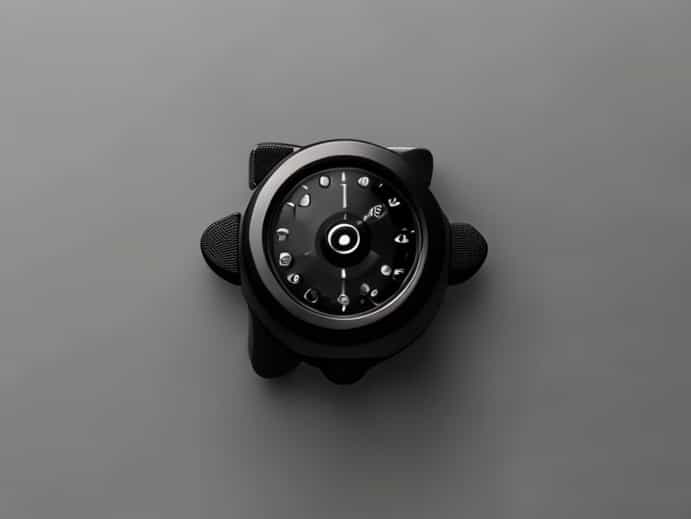
The Garmin thru-hull transducer is a vital tool for serious boaters, anglers, and marine enthusiasts who demand accurate depth, speed, and fish-finding data. Installed directly through the hull of a vessel, this transducer provides high-performance sonar readings that enhance navigation and fishing experiences. Known for its reliability and advanced technology, the Garmin thru-hull transducer is designed to withstand harsh marine conditions while delivering precise information in real-time. Its ability to integrate with Garmin chartplotters and fish finders makes it a preferred choice for professionals and hobbyists alike, ensuring optimal performance on both freshwater and saltwater vessels.
What is a Garmin Thru-Hull Transducer?
A Garmin thru-hull transducer is a type of sonar sensor mounted through the bottom of a boat’s hull. Unlike transom-mount or in-hull transducers, a thru-hull installation provides direct contact with the water, offering superior sonar performance. This positioning minimizes signal distortion and maximizes depth accuracy, making it ideal for larger boats or vessels operating in deep or challenging waters.
Key Features
- High-frequency sonar capability for precise fish and structure detection.
- Durable construction designed to resist corrosion from saltwater exposure.
- Seamless integration with Garmin chartplotters, multifunction displays, and fish finders.
- Capability to provide real-time speed, water temperature, and depth readings.
- Support for CHIRP and traditional sonar modes, delivering detailed underwater imagery.
Advantages of Thru-Hull Installation
Thru-hull transducers offer several advantages over other mounting types, particularly in terms of performance and reliability. By being in direct contact with the water, these transducers minimize air bubbles, turbulence, and hull interference, which can impact sonar accuracy. This makes them the preferred choice for serious anglers and boaters who require precise underwater information.
Improved Sonar Performance
The direct water contact of a Garmin thru-hull transducer ensures clear sonar readings, even in deep or rough waters. Users can expect detailed images of fish, underwater structures, and bottom composition. This level of accuracy is critical for professional fishing, scientific research, or safe navigation in unfamiliar waters.
Durability and Longevity
Garmin designs its thru-hull transducers using high-quality materials that resist corrosion, impact, and biofouling. This ensures consistent performance over years of use in both saltwater and freshwater environments. Proper maintenance, such as cleaning the transducer face and checking for secure fittings, further extends its lifespan.
Installation Process
Installing a Garmin thru-hull transducer requires careful planning and attention to detail to ensure optimal performance. While some experienced boat owners may perform the installation themselves, many prefer professional installation due to the complexity of cutting through the hull and sealing the device effectively.
Steps for Installation
- Determine the optimal location on the hull, ensuring minimal turbulence and interference.
- Drill a precise hole to accommodate the transducer body, following manufacturer guidelines.
- Seal the transducer using marine-grade sealant to prevent leaks and protect against water intrusion.
- Connect the transducer to the boat’s electrical system and Garmin display unit.
- Test the system to ensure accurate readings and adjust settings as needed for calibration.
Professional Installation Benefits
Professional installation ensures that the transducer is mounted in the most effective location, minimizing the risk of leaks or damage to the hull. Experts can also calibrate the system for optimal sonar performance, providing peace of mind for boat owners who depend on accurate data.
Applications of Garmin Thru-Hull Transducers
Garmin thru-hull transducers are versatile tools suitable for a wide range of marine applications. From recreational fishing to professional navigation, these devices enhance safety, efficiency, and enjoyment on the water.
Fishing and Angling
- Detect fish at various depths using high-resolution sonar imaging.
- Identify underwater structures and drop-offs for better fishing strategy.
- CHIRP sonar technology helps distinguish between fish species and schools.
Navigation and Safety
Accurate depth readings provided by the thru-hull transducer help prevent grounding or collisions in shallow areas. The integration with Garmin chartplotters allows boaters to navigate confidently, even in unfamiliar or treacherous waters.
Research and Environmental Monitoring
Researchers and environmental scientists use Garmin thru-hull transducers to map underwater terrain, study aquatic life, and monitor water conditions. Real-time data on water temperature and depth supports research accuracy and field studies.
Maintenance and Care
To ensure the longevity and consistent performance of a Garmin thru-hull transducer, regular maintenance is essential. Routine checks and proper cleaning prevent biofouling and corrosion, which can impair sonar performance over time.
Cleaning Tips
- Remove marine growth, algae, or debris from the transducer face regularly.
- Use mild soap and fresh water to clean the transducer without damaging the material.
- Inspect the sealant and connections periodically to prevent leaks or electrical issues.
Storage and Off-Season Care
During periods of inactivity, such as winter storage, it is important to inspect the transducer for damage and ensure it remains dry. Covering the transducer or lifting it out of the water when possible reduces wear and tear from prolonged exposure to the elements.
Choosing the Right Garmin Thru-Hull Transducer
Selecting the appropriate Garmin thru-hull transducer depends on the type of vessel, water conditions, and intended use. Consider factors such as frequency range, sonar type, and compatibility with existing Garmin devices when making a purchase.
Frequency and Depth Capabilities
Higher frequency transducers provide detailed images but are more suitable for shallower waters, while lower frequencies penetrate deeper water but with slightly less detail. Matching the frequency to your typical boating or fishing environment ensures optimal results.
Compatibility and Integration
Ensure that the transducer is compatible with your Garmin chartplotter, fish finder, or multifunction display. Seamless integration allows for accurate data transmission and enhances the overall user experience.
The Garmin thru-hull transducer is an essential marine accessory for anyone serious about accurate depth measurement, fish finding, and navigation. Its robust construction, advanced sonar capabilities, and seamless integration with Garmin devices make it a reliable choice for both recreational and professional use. Proper installation, regular maintenance, and careful selection based on vessel type and water conditions ensure maximum performance and durability. Whether you are fishing, navigating challenging waters, or conducting marine research, a Garmin thru-hull transducer enhances your boating experience by providing precise, real-time data, helping you make informed decisions on the water and enjoy safer, more efficient marine adventures.