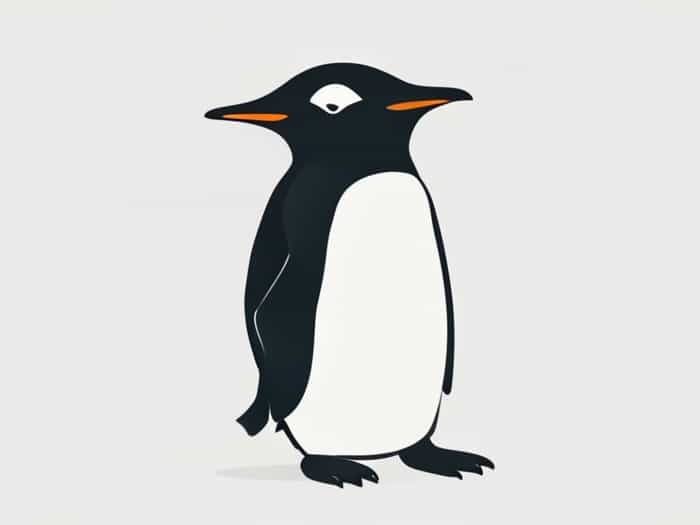
Chinstrap penguins are one of the most recognizable penguin species, distinguished by the narrow black band that runs under their heads, giving the appearance of a chinstrap. These penguins inhabit the harsh environments of the Antarctic region and nearby sub-Antarctic islands, thriving in icy waters and rugged landscapes. Understanding the lifespan of chinstrap penguins is essential for conservationists, researchers, and wildlife enthusiasts, as it sheds light on their survival strategies, reproductive habits, and the environmental pressures they face. Examining their lifespan also provides insight into how climate change, predation, and human activity impact these resilient birds.
Introduction to Chinstrap Penguins
Chinstrap penguins, scientifically known as Pygoscelis antarcticus, are medium-sized penguins typically reaching heights of 68 to 76 centimeters and weighing around 3.5 to 5 kilograms. They are social birds, often forming large colonies on rocky beaches during the breeding season. Known for their loud, distinctive calls and energetic behavior, chinstrap penguins are highly adapted to their cold and windy habitats. These adaptations include dense feather layers for insulation, strong flippers for swimming, and a diet rich in krill and small fish that sustains them through harsh winters.
Physical Characteristics
- Black stripe under the chin resembling a strap
- White face and underparts with slate-gray back
- Short tail and strong, webbed feet for swimming
- Adapted for diving, often reaching depths of 70 meters
Average Lifespan of Chinstrap Penguins
The lifespan of chinstrap penguins in the wild generally ranges from 15 to 20 years, though survival rates vary depending on environmental conditions, availability of food, and predation pressures. Juvenile mortality is relatively high, as younger penguins are more vulnerable to harsh weather, predators such as skuas, and scarcity of food. Once chinstrap penguins reach adulthood, their chances of surviving each year increase significantly, allowing many to live close to the upper range of the typical lifespan. Captive penguins may live slightly longer due to consistent food supply and medical care, sometimes reaching up to 25 years.
Factors Influencing Lifespan
Several factors affect how long chinstrap penguins live, including
- Food availabilityAbundant krill and fish populations support longer lifespans, while scarcity leads to malnutrition and reduced survival.
- PredationBirds such as skuas prey on eggs and chicks, impacting juvenile survival rates.
- Climate changeMelting ice and shifting sea temperatures affect breeding grounds and food sources.
- Disease and parasitesPenguins in dense colonies may be more susceptible to infections that shorten lifespan.
Life Stages of Chinstrap Penguins
Understanding the lifespan of chinstrap penguins involves examining their distinct life stages, from hatchlings to mature adults. Each stage presents unique challenges and survival strategies that influence overall longevity.
Chick Stage
Chinstrap penguin chicks hatch after an incubation period of about 35 days. During this stage, they rely entirely on their parents for warmth, protection, and food. The first few weeks are critical, as chicks are highly vulnerable to cold, starvation, and predation. Successful rearing during this period significantly increases the chances of surviving to adulthood.
Juvenile Stage
Once fledged, juvenile penguins face the challenge of learning to forage and navigate the ocean independently. Juveniles may travel significant distances in search of food, gradually building strength and endurance. Mortality rates remain high during this stage, as inexperienced penguins may struggle with harsh weather conditions and predators. Surviving the juvenile stage is a key determinant of whether a penguin reaches its full lifespan.
Adult Stage
Adult chinstrap penguins typically reach sexual maturity at around 3 to 5 years of age. Adults establish breeding pairs and return to colonies each season to reproduce. They maintain a balance between foraging at sea and caring for their young on land. The ability to find adequate food, avoid predation, and endure environmental fluctuations largely determines the longevity of adult penguins.
Reproduction and Lifespan Correlation
Breeding plays an important role in the lifespan of chinstrap penguins. Successful reproduction requires energy investment and exposes adults to additional risks, such as long foraging trips and increased visibility to predators. Despite these challenges, penguins that reproduce successfully often exhibit strong survival skills and resilience, contributing to longer lifespans. Breeding habits are also influenced by environmental conditions, which can affect the number of chicks that survive and, consequently, the overall health of the colony.
Breeding Cycle
- Return to colonies during spring to find mates
- Build nests from stones and debris
- Lay 1-2 eggs per season
- Chicks fledge after approximately 50 days
Conservation Status and Impacts on Lifespan
Chinstrap penguins are currently classified as Least Concern by the IUCN, but environmental changes continue to pose risks. Climate change, overfishing, and habitat disturbance can reduce food availability and nesting success, indirectly impacting the lifespan of individuals. Conservation efforts, including marine protection zones and monitoring of krill populations, are essential to ensure that these penguins can continue to thrive and reach their natural lifespan potential.
Threats to Lifespan
- Global warming affecting sea ice and feeding grounds
- Predation by birds and marine mammals
- Human activities, such as fishing and tourism, disrupting habitats
- Pollution and oil spills contaminating the environment
Research and Monitoring Lifespan
Scientists study chinstrap penguins’ lifespans through long-term field observations, banding programs, and tracking devices. These studies help researchers understand survival rates, reproductive success, and migration patterns. Data collected from these efforts provide insight into the overall health of populations and help inform conservation strategies to ensure that chinstrap penguins continue to thrive in their natural habitats.
Methods of Study
- Banding chicks to track survival into adulthood
- Using GPS and satellite tracking to monitor migration and foraging
- Observing breeding success and colony dynamics
- Analyzing environmental factors that affect food availability
The lifespan of chinstrap penguins is influenced by a complex interplay of environmental, biological, and ecological factors. While these resilient birds can live up to 15-20 years in the wild, survival depends on food availability, predator pressure, climate conditions, and successful reproduction. Understanding the various life stages and challenges faced by chinstrap penguins provides valuable insights for conservation and wildlife management. Protecting their habitats and maintaining healthy ecosystems will help ensure that these remarkable penguins continue to thrive and reach their natural lifespan, offering a glimpse into the adaptability and endurance of life in the harsh Antarctic environment.