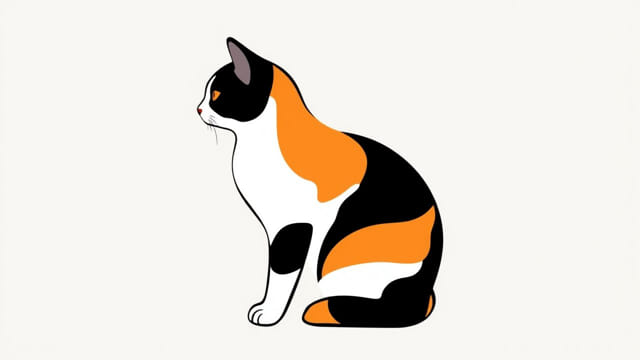
When people hear the word ‘calico,’ many immediately think of a type of cat with a distinct pattern of colors. However, the term has a much broader usage that often leads to the question: is calico a color? This term is used in different contexts from textiles and fabrics to animal patterns so understanding its definition requires a closer look at its usage and origins. While calico is often associated with colorful and patchy visuals, it is not classified as a single, solid color. Instead, it refers to a combination or pattern that includes multiple hues.
Understanding the Term Calico
The word ‘calico’ originally comes from Calicut, a city in India where the fabric was first made and exported to Europe. In its earliest use, ‘calico’ referred specifically to a type of cotton fabric printed with small patterns, often in multiple colors. Over time, the word evolved beyond fabric and entered other areas of usage, especially in reference to appearance and design.
Calico in the Textile Industry
In textile terminology, calico is a type of cotton cloth that is usually unbleached and not fully processed. Sometimes it is printed with patterns. In the U.K. and other parts of the world, calico still refers primarily to a textile material, usually rough or unfinished cotton with basic print designs. The designs often feature floral or abstract patterns in various shades.
In this context, calico does not refer to a specific color, but rather to the fabric and the printed multicolor designs on it. This is important to distinguish, especially when comparing the term to solid colors like red, blue, or green. Calico is not a color name; it describes a fabric or pattern that includes a combination of colors.
Calico in the Animal World
The term ‘calico’ is widely used in the animal kingdom, most notably to describe a particular coat pattern found in cats. Calico cats are typically recognized by their striking mix of three colors: white, black, and orange. Some calico cats may also have patches of gray, cream, or even brown.
Even in this case, ‘calico’ does not refer to a specific color. Instead, it describes the patchwork combination of different colors, creating a mosaic-like appearance. Here, the word functions more as a pattern identifier rather than a color classification.
Genetics Behind Calico Cats
The calico pattern in cats is not merely a random color assortment; it is genetically determined. Most calico cats are female because the gene responsible for the color pattern is linked to the X chromosome. Males can be calico, but it is extremely rare and often linked to genetic anomalies. This adds a fascinating biological layer to the term, but again reinforces that ‘calico’ is not a single color, but a descriptive term for a mix of colors arranged in a unique pattern.
Is Calico Recognized as a Color?
In the strictest sense of color theory and design, calico is not recognized as a standalone color. It does not appear on color wheels or in digital design palettes like other primary or secondary colors. Instead, calico refers to a mix, blend, or pattern of colors. In design and interior decoration, the word might be used descriptively, such as ‘calico-style fabric’ or ‘a calico pattern of colors,’ but it is not used the same way as one would use ‘navy’ or ‘beige.’
Calico in Fashion and Design
Despite not being a singular color, the calico look remains popular in fashion, home décor, and quilting. The visual texture of calico patterns brings a rustic and vintage charm. Designers might use calico-style prints to introduce multi-colored patterns with a handcrafted feel. These designs often include muted tones, floral prints, and various symmetrical or repeating motifs.
Again, while these items may be described as ‘calico,’ they are not one-color items. They contain several colors arranged in a way that gives them the distinctive look associated with calico prints. Therefore, in the fashion world, calico refers to a style or design approach rather than a specific shade or hue.
Examples of Calico Usage
- Fabric description: This dress is made from calico cotton with floral prints.
- Animal description: The shelter has a beautiful calico cat with orange and black patches.
- Art and design: The pattern on the wallpaper has a calico-inspired motif.
In all these examples, calico is used to describe patterns or materials that involve multiple colors or a distinctive mix. It is not used interchangeably with color names such as ‘red’ or ‘yellow.’
Misconceptions About Calico
One of the most common misconceptions is assuming calico is a singular color, like taupe or magenta. This misunderstanding likely stems from its heavy use in describing cat fur and fabrics, where people associate it with a consistent visual theme. However, calico is much closer to the idea of a multicolor pattern than a uniform hue.
Another misconception is that calico is only black, white, and orange. While this tri-color scheme is typical in calico cats, the term can apply to any pattern that follows the general appearance of being multicolored in a patchy or mottled way. In fabric, calico might even include subtle combinations of light blue, pink, green, or cream in floral or dotted designs.
Is Calico a Color?
To answer clearly: no, calico is not a color. It is a term used to describe a type of fabric or a pattern, often involving multiple colors. In animals, it refers to a distinctive coat pattern that combines various colors, usually in a patchy arrangement. In fabric and fashion, it indicates a printed cotton cloth, often featuring small, colorful patterns. Although the word ‘calico’ is closely associated with colorful visuals, it is never used to represent a single, identifiable color on its own.
Understanding the meaning of calico helps clarify its appropriate usage in conversation, design, and classification. While it contributes to the visual landscape of many fields, from textiles to biology, it stands firmly outside the realm of specific colors. So, next time you come across the word, you’ll know it’s about the blend not the base.