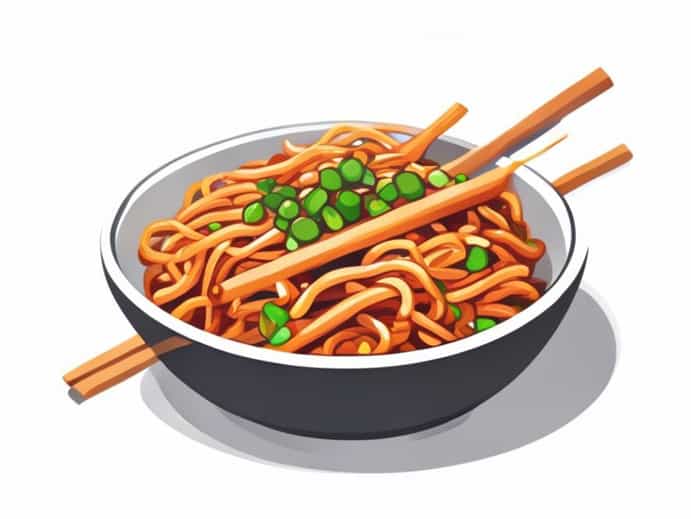
Satay noodles are a delicious and vibrant dish that combines the rich, nutty flavors of satay sauce with the comforting texture of noodles. This dish has gained popularity across Southeast Asia, particularly in countries like Indonesia, Malaysia, and Singapore, where street food culture thrives. Satay noodles offer a unique culinary experience by blending the sweet, savory, and slightly spicy elements of peanut-based satay sauce with tender noodles, fresh vegetables, and often protein such as chicken, beef, or tofu. The dish is not only flavorful but also visually appealing, making it a favorite among locals and tourists alike.
Origins of Satay Noodles
The roots of satay noodles lie in the rich culinary traditions of Southeast Asia, where satay itself-a skewered and grilled meat dish served with peanut sauce-originated. Satay noodles evolved as a convenient and flavorful way to enjoy the distinct taste of satay without the need for grilling skewers. By incorporating noodles, cooks created a dish that could be prepared quickly, making it ideal for street vendors and busy households. This fusion of flavors and textures highlights the creativity inherent in Southeast Asian cuisine and its emphasis on bold, balanced flavors.
Main Ingredients
Satay noodles are composed of several key ingredients that work harmoniously to create their signature taste
- NoodlesTypically, wheat noodles, rice noodles, or egg noodles are used. The choice of noodle affects the texture and overall experience of the dish.
- Satay SauceMade from ground peanuts, coconut milk, soy sauce, garlic, lime juice, and spices like chili or turmeric. The sauce is thick, creamy, and packed with flavor.
- ProteinChicken, beef, pork, shrimp, or tofu are commonly added. The protein is often marinated or stir-fried before being mixed with the noodles.
- VegetablesFresh or lightly cooked vegetables such as bell peppers, carrots, bean sprouts, and green onions add color, crunch, and nutritional value.
- GarnishesCrushed peanuts, fried shallots, fresh herbs like cilantro, and lime wedges are often used to enhance flavor and presentation.
How Satay Noodles Are Prepared
The preparation of satay noodles involves several steps, each contributing to the dish’s final taste and texture. First, the noodles are boiled or soaked until they reach the desired tenderness. Meanwhile, the protein is marinated with spices and briefly stir-fried or grilled. The satay sauce is then prepared by blending peanuts with coconut milk, garlic, soy sauce, and other seasonings, creating a creamy and aromatic mixture. Finally, the noodles, protein, and vegetables are tossed together with the sauce, ensuring each strand of noodle is coated with the rich, savory flavor of the satay sauce.
Variations of Satay Noodles
Like many popular dishes, satay noodles have numerous variations that reflect regional tastes and available ingredients
- Indonesian StyleOften spicier with the addition of sambal or chili paste. The noodles may include rice noodles and a combination of vegetables for added texture.
- Malaysian StyleTypically uses yellow egg noodles and incorporates sweet soy sauce along with peanut sauce for a slightly sweeter profile.
- Vegetarian/VeganTofu or tempeh replaces meat, and coconut-based sauces enhance the richness without using animal products.
- Street Food VersionQuick-cooked and packed with bold flavors, this version emphasizes efficiency and may include additional condiments like pickled vegetables or crispy fried shallots.
Nutritional Value
Satay noodles can be a balanced meal when prepared thoughtfully. The noodles provide carbohydrates for energy, while the protein adds essential amino acids. Vegetables contribute vitamins, minerals, and fiber, and peanuts in the satay sauce supply healthy fats and protein. However, since satay sauce can be high in calories and fats, portion control is important for those monitoring their diet. Opting for whole grain or rice noodles and using a moderate amount of sauce can make the dish healthier while retaining its rich flavors.
Serving and Presentation
Presentation plays an important role in the enjoyment of satay noodles. The dish is often served in shallow bowls or plates, allowing the vibrant colors of vegetables and garnishes to stand out. Crushed peanuts, chopped herbs, and lime wedges add visual appeal and enhance the taste. Some versions are garnished with fried shallots or a drizzle of extra sauce to create layers of flavor. Eating satay noodles is typically a hands-on experience, often enjoyed with chopsticks or a fork and spoon.
Popular Pairings
Satay noodles are versatile and can be paired with a variety of accompaniments to enhance the dining experience
- Pickled VegetablesAdds acidity and crunch, balancing the richness of the peanut sauce.
- Fresh HerbsCilantro, Thai basil, or mint can provide freshness and aromatic depth.
- Spicy CondimentsSambal, chili flakes, or hot sauce offer an extra kick for those who enjoy heat.
- BeveragesIced tea, coconut water, or a light beer complements the flavors and helps cleanse the palate.
Why Satay Noodles Are Popular
Several factors contribute to the popularity of satay noodles. Their combination of creamy, nutty, and slightly spicy flavors makes them appealing to a wide range of palates. The dish is flexible, allowing for variations based on dietary preferences, regional tastes, or available ingredients. Additionally, its colorful presentation and the comforting texture of noodles make it a visually and gastronomically satisfying meal. Street vendors, restaurants, and home cooks alike continue to embrace satay noodles due to their ease of preparation and broad appeal.
Satay noodles are more than just a simple noodle dish; they represent the rich culinary heritage of Southeast Asia. By combining savory satay sauce with tender noodles, protein, and fresh vegetables, this dish delivers a flavorful, comforting, and balanced meal. With numerous variations reflecting regional tastes and dietary preferences, satay noodles have become a beloved staple in homes and street food markets alike. Whether enjoyed as a quick lunch, a hearty dinner, or a shared dish at gatherings, satay noodles continue to captivate food enthusiasts with their delicious combination of flavors, textures, and vibrant presentation.