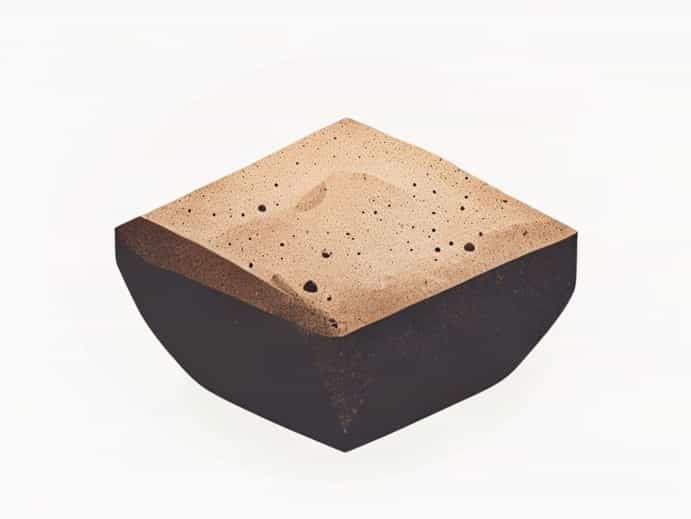
Loam is widely regarded as one of the most fertile and productive types of soil, playing a critical role in agriculture, gardening, and ecosystem health. It is prized for its balanced texture, which combines sand, silt, and clay in proportions that allow for excellent drainage, nutrient retention, and root penetration. Unlike soils that are predominantly sandy or clayey, loam provides a favorable environment for plant growth, making it a preferred choice for farmers, landscapers, and horticulturists. Understanding what loam is, its composition, properties, and uses can help individuals make informed decisions about soil management and cultivation practices.
Understanding Loam
Loam is not a single type of soil but rather a category defined by its specific mixture of soil ptopics. Typically, loam consists of approximately 40% sand, 40% silt, and 20% clay, although these ratios can vary slightly. This combination creates a soil that is both well-drained and capable of retaining moisture, offering an optimal balance for plant health. Loam is often considered the ideal soil for gardening and farming due to its ability to support diverse types of vegetation.
Components of Loam
To fully appreciate the benefits of loam, it is important to understand its main components and their roles
1. Sand
Sand ptopics are the largest among the three components of loam, providing good drainage and aeration. The coarse texture of sand prevents waterlogging and helps roots access oxygen. However, sand alone cannot retain nutrients effectively, which is why it is combined with silt and clay in loam.
2. Silt
Silt ptopics are medium-sized and contribute to the soil’s smooth texture. Silt improves water retention while still allowing for drainage, helping to maintain consistent moisture levels for plants. It also supports nutrient retention, which promotes healthy plant growth.
3. Clay
Clay consists of very fine ptopics that can hold water and nutrients effectively. In loam, the clay content ensures that plants have access to essential minerals and prevents the soil from drying out too quickly. While clay alone can become dense and poorly drained, its proportion in loam provides structure and fertility without compromising drainage.
Types of Loam
Loam can be further categorized based on slight variations in its composition. Each type has specific properties that make it suitable for different applications
1. Sandy Loam
Sandy loam contains a higher proportion of sand, which improves drainage and aeration. This type of loam is ideal for plants that require well-drained soil and is commonly used in vegetable gardens and flower beds.
2. Silty Loam
Silty loam has a higher silt content, making it smooth and able to retain more moisture than sandy loam. It is well-suited for crops that need consistent moisture, such as leafy vegetables and certain grains.
3. Clay Loam
Clay loam contains more clay than other loam types, providing high nutrient retention. It is fertile and supports the growth of crops that require rich soil but may require proper management to prevent compaction and poor drainage.
4. Loamy Sand
Loamy sand is closer to sandy soil but includes enough silt and clay to hold some moisture and nutrients. It is easy to work with and suitable for plants that do not tolerate waterlogged conditions.
Properties of Loam
Loam possesses several properties that make it highly beneficial for plant growth and soil health
- Excellent DrainageThe balance of sand and clay allows water to drain efficiently, preventing root rot.
- Moisture RetentionSilt and clay help retain sufficient water for plants, ensuring consistent hydration.
- Nutrient-RichLoam holds nutrients well, providing essential minerals for healthy plant development.
- Good AerationAir can circulate effectively in loam, supporting root respiration and microbial activity.
- Ease of CultivationLoam is easy to till, plant, and manage, making it ideal for gardens and farms.
Uses of Loam
Loam’s versatility makes it a valuable resource in various contexts. Its applications extend beyond traditional farming and gardening
1. Agriculture
Loam is considered optimal for crop cultivation due to its fertility, drainage, and moisture retention. It supports a wide range of crops, from grains and vegetables to fruits and flowers. Farmers often amend their soil to achieve a loamy texture when natural soil lacks the ideal balance.
2. Landscaping and Gardening
Gardeners prefer loam for flower beds, lawns, and vegetable patches. Its structure supports strong root growth and healthy plants, while its fertility reduces the need for frequent fertilizer applications. Loam is also suitable for potted plants when mixed with organic matter.
3. Soil Improvement
Loam can be used to improve the quality of other soils. Adding loam to sandy or clayey soils enhances their drainage, aeration, and nutrient content. This practice is common in areas where native soil is insufficient for optimal plant growth.
4. Environmental Restoration
Loam plays a role in environmental projects, such as erosion control and reforestation. Its structure allows for vegetation establishment on degraded lands, stabilizing soil and preventing further erosion.
Maintaining and Enhancing Loam
Even though loam is naturally fertile, proper maintenance can ensure its long-term productivity. Key practices include
- Adding organic matter like compost or manure to improve nutrient content and soil structure.
- Rotating crops to prevent nutrient depletion and reduce pest infestations.
- Mulching to conserve moisture, regulate soil temperature, and reduce weed growth.
- Testing soil regularly to monitor pH and nutrient levels, ensuring optimal conditions for plants.
- Avoiding excessive tilling, which can disrupt soil structure and reduce fertility over time.
Loam is a unique and highly valuable type of soil known for its balanced mixture of sand, silt, and clay. Its properties of excellent drainage, nutrient retention, and moisture balance make it ideal for agriculture, gardening, landscaping, and environmental restoration. By understanding the composition and characteristics of loam, individuals can optimize plant growth, enhance soil health, and make informed decisions about cultivation and land management. Whether used in professional farming, home gardening, or ecological projects, loam remains an essential resource for fostering healthy plants and sustainable ecosystems, demonstrating why it is often considered the gold standard of soil types.