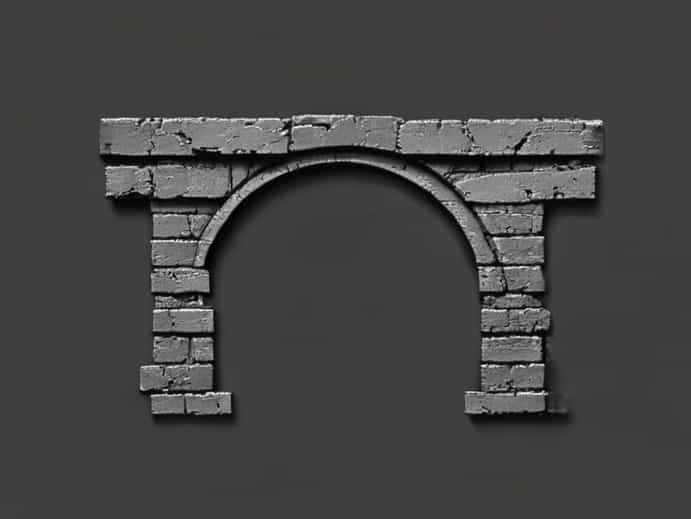
Steel lintels for brick construction are essential structural elements that provide support over openings such as doors and windows. When constructing a brick wall, the weight of the bricks above an opening must be properly distributed to prevent collapse or cracking. Steel lintels are preferred in modern construction because of their high strength, durability, and versatility. They can carry significant loads while maintaining a relatively small profile, making them ideal for both residential and commercial buildings. Understanding the types, installation methods, and benefits of steel lintels helps builders, architects, and homeowners ensure safe and long-lasting brick structures.
What is a Steel Lintel?
A steel lintel is a horizontal support made from steel, placed above an opening in a brick or masonry wall. Its primary function is to carry and distribute the weight of the bricks and other structural loads above the opening, transferring them to the adjacent wall sections. Without a lintel, bricks above an opening would be prone to cracking or collapse due to insufficient support. Steel lintels can be fabricated in various shapes and sizes to suit specific structural requirements.
Types of Steel Lintels
There are several types of steel lintels available for brick construction, each designed for different load requirements and installation preferences
- Standard Steel LintelsThese are simple, pre-fabricated steel beams used in standard door and window openings. They provide reliable support for most residential projects.
- Galvanized Steel LintelsCoated with a protective zinc layer, these lintels resist corrosion and are suitable for exposed or humid environments.
- Custom Steel LintelsManufactured to specific dimensions and load requirements, these lintels are ideal for larger openings or commercial projects requiring unique structural solutions.
- Angle Steel LintelsShaped like an L, these lintels can be used in combination with brickwork to provide additional support at specific points.
Advantages of Using Steel Lintels for Brick
Steel lintels offer multiple benefits over traditional materials like concrete or timber, making them a preferred choice in modern brick construction
Strength and Load-Bearing Capacity
Steel is significantly stronger than most other materials used for lintels, allowing it to support heavy loads without bending or cracking. This high load-bearing capacity ensures that brick walls remain stable even in multi-story buildings or structures subjected to significant stress.
Durability and Longevity
Steel lintels are resistant to common issues such as rot, insect damage, and decay that can affect timber lintels. When galvanized, steel lintels are also protected from rust and corrosion, providing a long-lasting structural solution that reduces maintenance costs over time.
Ease of Installation
Steel lintels are pre-fabricated, which simplifies installation. Builders can position them directly above the opening, often without the need for complex formwork or extensive curing time required by concrete alternatives. This speeds up construction and ensures accurate placement.
Design Considerations for Steel Lintels
When selecting and installing a steel lintel for brickwork, several design factors must be considered to ensure safety and performance
Load Requirements
The lintel must be capable of supporting both the dead load (the weight of the bricks and any permanent fixtures) and live load (temporary loads like people or furniture above the opening). Engineers calculate these loads to determine the appropriate size and type of steel lintel needed.
Span of the Opening
The width of the door or window opening affects the type of steel lintel used. Longer spans require stronger or custom-fabricated lintels to prevent deflection and maintain structural integrity. Standard spans may utilize pre-fabricated lintels, while unusual widths may require bespoke solutions.
Corrosion Protection
In environments prone to moisture, such as coastal areas or humid climates, choosing a galvanized or coated steel lintel ensures long-term durability. Proper protection prevents rust formation, which can compromise structural safety and brick adhesion over time.
Installation of Steel Lintels in Brickwork
Installing steel lintels correctly is crucial for structural stability. The following steps outline a typical installation process
Step-by-Step Installation
- Measure and Prepare OpeningEnsure that the opening is correctly sized and the adjacent brickwork is level and clean.
- Select Appropriate LintelChoose a steel lintel with suitable dimensions and load-bearing capacity for the specific application.
- Position the LintelPlace the steel lintel above the opening, ensuring it rests securely on the adjacent brickwork or support walls.
- Secure the LintelFix the lintel in place using mortar, concrete, or mechanical fasteners, depending on design specifications.
- Build Brickwork AboveLay bricks above the lintel carefully, ensuring even distribution of weight and proper alignment.
Common Applications
Steel lintels for brick construction are used in a wide range of applications, from residential homes to large commercial projects. Typical uses include
Residential Buildings
Doors, windows, and fireplace openings often require steel lintels to ensure stability in brick walls. Their ease of installation and high strength make them ideal for modern homes.
Commercial and Industrial Structures
In factories, offices, and multi-story buildings, steel lintels provide the necessary support for larger openings and heavier loads. They are also suitable for retrofitting older structures requiring additional reinforcement.
Restoration Projects
Steel lintels are frequently used in the restoration of historic brick buildings. Their slim profile and high strength allow them to replace old timber or damaged concrete lintels without altering the building’s aesthetic.
Maintenance and Longevity
Proper maintenance of steel lintels ensures long-term performance and safety
Regular Inspection
Inspect lintels periodically for signs of corrosion, deformation, or brick cracking. Early detection of issues prevents structural failure and extends the lifespan of the wall.
Protection and Coating
In environments exposed to moisture or chemicals, ensure that steel lintels remain coated or galvanized. Touch up protective coatings if necessary to prevent rust and deterioration.
Steel lintels for brick construction are indispensable components that combine strength, durability, and ease of installation. By effectively supporting the weight of brick walls above openings, they ensure structural stability and enhance the safety of buildings. Selecting the appropriate type, considering load requirements, span, and environmental conditions, and following proper installation procedures are key to maximizing the benefits of steel lintels. Whether used in residential, commercial, or restoration projects, steel lintels offer a reliable, long-lasting solution that safeguards the integrity of brick structures and contributes to the overall durability and aesthetic appeal of modern construction.