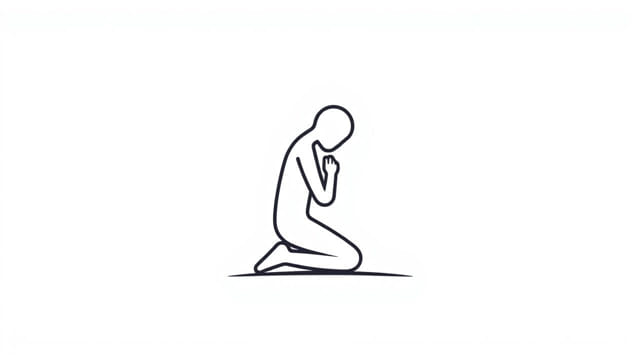
The phrase knelt to the ground carries both literal and figurative meanings, often evoking powerful emotional or symbolic connotations. It is more than just a description of someone’s physical posture; it can represent humility, respect, despair, prayer, or submission depending on the context. This expression is frequently used in literature, religious texts, music, and everyday conversations to capture moments of emotional intensity or deep reflection. Understanding the full meaning of knelt to the ground can enrich our appreciation of its use in various settings and deepen our grasp of the message it conveys.
Understanding the Literal Meaning
At its core, knelt to the ground describes the action of someone lowering themselves onto their knees and touching the ground with them. Kneeling is a posture commonly associated with reverence, respect, or solemnity. The act of physically bending one’s knees until they meet the ground often marks a significant moment or emotion.
Common Situations Where People Kneel
- Prayer or Worship: Many religions incorporate kneeling as a form of devotion and humility before a higher power.
- Proposals: Traditionally, one partner kneels when asking another to marry them, signifying vulnerability and sincerity.
- Respect or Tribute: Soldiers might kneel to honor fallen comrades; citizens might kneel during national anthems or moments of silence.
- Despair or Defeat: Characters in books or films often fall to their knees during moments of extreme grief, shock, or surrender.
The Figurative Meaning of Knelt to the Ground
Beyond the physical act, knelt to the ground can also symbolize deeper emotions or mental states. In many cases, it does not refer to someone literally dropping to their knees, but rather to a metaphorical position of submission, loss, or overwhelming emotion.
Symbolic Interpretations
- Emotional Overload: A person might be said to have knelt to the ground in sorrow, even if they do not physically do so.
- Symbol of Humility: Kneeling can be a metaphor for recognizing one’s limitations or showing humility in a situation.
- Surrender or Defeat: The phrase may represent giving up in the face of insurmountable challenges.
- Spiritual Awakening: In some contexts, knelt to the ground symbolizes a transformative realization or enlightenment.
Use in Literature and Popular Culture
Writers and songwriters often use knelt to the ground to convey emotion vividly. The phrase can bring imagery to life, helping readers or listeners feel the weight of a character’s or narrator’s experience.
Examples in Songs and Poems
For instance, in the famous song Love Story by Taylor Swift, the line I knelt to the ground and pulled out a ring reflects the traditional act of proposing, but it also adds romantic tension and emotional buildup. The phrase has appeared in poems describing warriors, worshippers, and those burdened by sorrow, enhancing the dramatic or emotional tone of the narrative.
In Religious Texts
Many religious scriptures feature kneeling as a sign of faith and submission. In Christianity, kneeling during prayer is a practice that symbolizes humility before God. The act of kneeling to the ground is viewed as a sacred gesture of reverence.
Grammar and Usage
Knelt is the past tense and past participle of kneel. While kneeled is also acceptable in modern usage, knelt is more commonly found in literature and formal writing. The phrase knelt to the ground specifically emphasizes the direction and destination of the kneeling motion, reinforcing the imagery of someone fully lowered in posture and emotion.
Example Sentences
- After hearing the tragic news, she knelt to the ground, unable to hold back her tears.
- The knight knelt to the ground in front of the king, pledging his loyalty.
- He knelt to the ground and prayed silently, hoping for a miracle.
- In that moment of despair, she knelt to the ground, feeling completely broken.
Emotional Resonance of the Phrase
The reason knelt to the ground is so effective as an expression lies in its emotional resonance. It evokes vulnerability and openness. Whether used to describe grief, love, worship, or submission, the image of someone on their knees often touches the human heart. It connects the physical body’s position to the emotional or spiritual state of the person.
Psychological Implications
From a psychological standpoint, kneeling lowers one’s stature, making the person physically smaller. This posture can reflect inner feelings of smallness, whether due to guilt, sadness, or reverence. In social or religious rituals, kneeling signifies acknowledgment of something greater than oneself. It is a posture that both reveals and reinforces emotion.
Comparisons with Similar Expressions
Knelt to the ground has a few comparable idiomatic expressions and phrases that also signify deep emotion or symbolic gestures.
- Fell to one’s knees: Often used interchangeably, this expression also implies being overcome with emotion or reverence.
- Bowed down: While less physically descriptive, it also conveys submission or respect.
- Collapsed to the floor: Usually emphasizes physical exhaustion or overwhelming sadness.
Modern Contexts and Social Movements
In recent years, the act of kneeling has taken on new significance in modern political and social contexts. Athletes, for example, have knelt during national anthems to protest social injustices. In these cases, knelt to the ground is not a passive act, but a deliberate and powerful statement. It has become a form of peaceful resistance and a symbol of solidarity with marginalized communities.
Respectful but Assertive
When people kneel in protest, they combine humility with strength. The gesture, while quiet and nonviolent, communicates volumes. It draws attention without shouting, asks for reflection without aggression. This modern use of kneeling continues to evolve the phrase’s meaning in today’s world.
A Powerful, Multi-Layered Expression
The phrase knelt to the ground holds great significance across various contexts. Whether describing literal motion, emotional surrender, spiritual reflection, or political action, it encapsulates a moment of deep personal or collective meaning. Understanding its usage and symbolism allows us to appreciate the phrase’s depth and apply it more thoughtfully in language. From stories and songs to real-world events, knelt to the ground remains a timeless, evocative expression that speaks to human emotion in all its complexity.