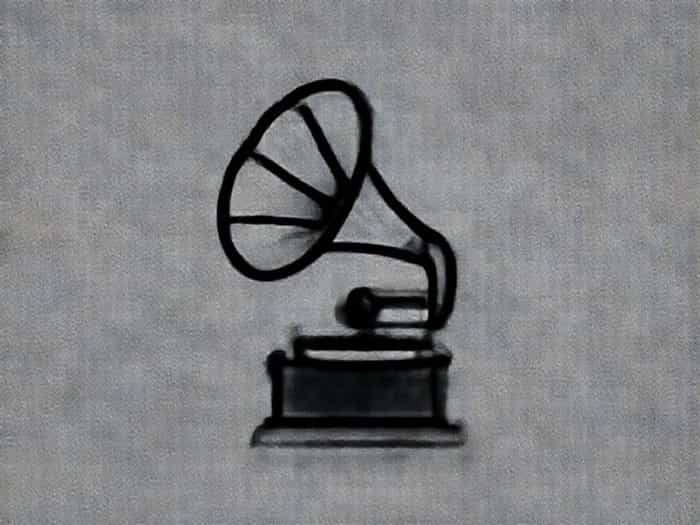
The phonograph is one of the most significant inventions in the history of sound recording and reproduction, marking a pivotal moment in the development of modern music and communication technologies. Invented in the late 19th century, the phonograph allowed people to record, store, and play back sound, transforming the way individuals experienced music, spoken word, and other audio content. This invention not only changed the entertainment industry but also influenced scientific research, education, and communication. Understanding the description of the phonograph, its components, functioning, and historical impact provides insight into how this remarkable device shaped modern audio technology.
Definition and Basic Concept
A phonograph is a device designed to record and reproduce sound mechanically. The original phonographs worked by capturing vibrations from sound waves and etching them onto a rotating medium, such as a cylinder or disc. When the recording was played back, the vibrations would be retraced, reproducing the original sound. Unlike earlier attempts to preserve sound, the phonograph offered a practical method for storing audio in a tangible form that could be played repeatedly.
Inventor and Historical Background
The phonograph was invented by Thomas Alva Edison in 1877. Edison’s initial model used a tinfoil-covered cylinder to record sound, with a stylus creating grooves corresponding to the sound vibrations. This invention built on earlier ideas and experiments with acoustic devices but was the first to successfully create a machine capable of recording and playing back audio. Over the following decades, the phonograph evolved in design, incorporating wax cylinders and later flat discs, leading to the gramophone and modern record players.
Components of a Phonograph
The phonograph is composed of several key components, each crucial to its operation. Understanding these components helps explain how the device captures and reproduces sound.
Sound Horn
The sound horn serves as the primary amplifier for the phonograph. In early models, the horn collected and directed sound waves toward the diaphragm. Later, horns also played a role in projecting sound during playback, making the audio audible to listeners. The shape and size of the horn influenced the quality and volume of the sound produced.
Diaphragm
The diaphragm is a thin, flexible membrane that responds to sound vibrations. When speaking or playing music into the phonograph, the diaphragm vibrates in response to the sound waves. These vibrations are mechanically transferred to the stylus, which then etches corresponding grooves into the recording medium.
Stylus
The stylus, often made of metal or sapphire, is the component that physically records sound vibrations onto the cylinder or disc. During playback, the stylus traces the grooves, causing the diaphragm to vibrate and reproduce the original sound. The precision and material of the stylus greatly influenced sound clarity and fidelity.
Recording Medium
The recording medium is where the sound is stored. Early phonographs used tinfoil cylinders, later replaced by wax cylinders for durability and improved sound quality. Eventually, flat discs became standard, leading to the development of records. The grooves on the medium contain the encoded sound vibrations, which the phonograph retrieves during playback.
Crank and Motor
Mechanical phonographs are powered by a crank or spring-driven motor. Turning the crank winds a spring, storing energy that rotates the cylinder or disc at a constant speed. This consistent rotation is critical to accurately recording and reproducing sound. In later electric models, motors replaced manual cranks, providing more precise and reliable playback.
How a Phonograph Works
The operation of a phonograph involves a series of mechanical steps to capture and reproduce sound. Initially, sound waves enter the horn and cause the diaphragm to vibrate. These vibrations are transmitted to the stylus, which engraves grooves into the recording medium. Each groove represents a precise mapping of the sound vibrations over time. During playback, the stylus traces these grooves, causing the diaphragm to vibrate in the same pattern, recreating the original sound for the listener.
Recording Process
Recording on a phonograph begins with directing sound waves toward the diaphragm. Vibrations from the sound cause the stylus to move in correspondence with the waves, creating grooves on the cylinder or disc. The depth, spacing, and shape of the grooves determine the accuracy and quality of the playback sound.
Playback Process
During playback, the stylus follows the recorded grooves, transmitting vibrations to the diaphragm. The diaphragm then produces sound waves that are amplified through the horn, allowing listeners to hear the original recording. This process, purely mechanical in early phonographs, laid the foundation for modern sound reproduction technologies.
Impact and Significance
The phonograph revolutionized the way people interacted with music and information. It made recorded sound accessible to the general public, enabling repeated listening and personal enjoyment. Beyond entertainment, phonographs were used in education to preserve lectures, in science to study sound patterns, and in business to record meetings or messages.
Influence on Music and Entertainment
The phonograph allowed musicians to reach audiences far beyond live performances. Recordings of classical, folk, and popular music could be distributed widely, creating new markets and changing the music industry. Artists gained the ability to preserve performances for posterity, and listeners could enjoy music at home, marking the beginning of the modern music consumption era.
Scientific and Educational Applications
Scientists and educators also benefited from the phonograph. Linguists recorded speech patterns, researchers studied sound vibrations, and educators used recorded lectures to enhance teaching methods. The phonograph provided a new tool for preserving and analyzing auditory information that had previously been ephemeral.
Legacy and Evolution
The invention of the phonograph led to subsequent innovations, including the gramophone, vinyl records, tape recorders, and eventually digital audio technologies. Understanding the description of the phonograph and its functioning highlights the mechanical ingenuity that paved the way for modern sound recording, streaming, and music distribution platforms.
The phonograph stands as a landmark invention in the history of audio technology. Its ability to record and reproduce sound mechanically transformed music, education, and communication, making it a device of lasting historical importance. By examining the description of the phonograph, including its components, operation, and impact, we can appreciate how this invention revolutionized the way humans experience sound. From Edison’s initial tinfoil cylinders to modern digital recordings, the phonograph’s legacy continues to influence the development of audio technologies and the enjoyment of sound worldwide.