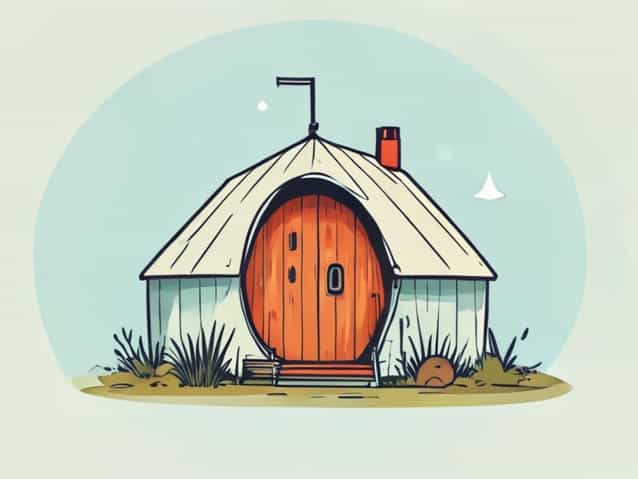
Living in a Quonset hut might sound like a throwback to the mid-20th century, but this unique style of housing has made a remarkable comeback in modern times. Originally designed for military use during World War II, Quonset huts are now being reimagined as affordable, sustainable, and customizable homes. Their distinct semi-circular shape, metal construction, and practical design make them an appealing option for those seeking simplicity and strength in a home. In this topic, we’ll explore what it’s like living in a Quonset hut, its advantages, challenges, and why many people are choosing this unconventional lifestyle today.
What Is a Quonset Hut?
A Quonset hut is a lightweight, prefabricated structure made primarily of corrugated steel. Its shape resembles a half-cylinder or arch, giving it a unique appearance that stands out from traditional square or rectangular buildings. The design was first developed in the 1940s by the U.S. Navy as an efficient, easy-to-assemble shelter for soldiers during wartime.
These huts could be built quickly, transported easily, and used for various purposes such as barracks, storage, offices, and even medical facilities. After the war, many surplus Quonset huts were sold to civilians, who converted them into workshops, barns, and eventually homes. Decades later, this practical housing solution has evolved into a creative and eco-friendly form of modern living.
The Appeal of Living in a Quonset Hut
People who choose to live in a Quonset hut are often drawn to its simplicity, affordability, and durability. Unlike conventional homes, a Quonset hut’s structure doesn’t require complex framing or roofing systems. The curved design distributes weight evenly, allowing the building to withstand heavy snow, strong winds, and even earthquakes.
Affordability and Efficiency
One of the most attractive features of Quonset hut living is the cost. The materials are relatively inexpensive compared to traditional construction, and the prefabricated panels can be assembled with minimal labor. This makes it a popular choice for budget-conscious homeowners or those who prefer a DIY approach to building their own home.
Additionally, Quonset huts are energy-efficient when properly insulated. Their curved shape promotes natural airflow and reduces heat loss, which can lower energy bills over time. With modern insulation techniques, these homes can stay cool in the summer and warm in the winter without the need for excessive energy consumption.
Durability and Low Maintenance
Because Quonset huts are made from galvanized steel, they’re resistant to pests, rot, and fire. This durability makes them ideal for areas with harsh climates or limited maintenance resources. Homeowners who live in remote or rural regions often find Quonset huts a reliable solution for long-term shelter.
Maintenance is minimal, as the metal exterior requires little more than occasional cleaning or painting to prevent corrosion. The simplicity of design also means fewer parts that can break or wear out compared to traditional wooden homes.
Design Flexibility and Modern Aesthetics
Though Quonset huts were once associated with military or industrial use, modern architects and homeowners have transformed them into stylish and comfortable living spaces. Their open floor plan allows for creativity in interior design, as there are no load-bearing walls to restrict layout options.
With a bit of imagination, a Quonset hut can become a cozy cabin, a minimalist retreat, or a contemporary home filled with natural light and personality. Many owners add skylights, glass doors, and wooden finishes to soften the industrial feel while maintaining the structure’s distinctive curve.
- Custom interiors can include lofts, open kitchens, and modern bathrooms.
- Exterior finishes can range from metal to wood cladding for a rustic or modern look.
- Large windows or glass walls can enhance lighting and connect the home to its surroundings.
These features make living in a Quonset hut not only practical but also visually appealing for those who appreciate unconventional design.
Challenges of Living in a Quonset Hut
Despite its many benefits, Quonset hut living does come with a few challenges. Some of these can be solved with proper planning, while others may require adjustments in lifestyle or expectations.
Insulation and Temperature Control
Because Quonset huts are made of metal, they can become hot in the summer and cold in the winter if not properly insulated. Effective insulation is essential for maintaining a comfortable indoor climate. Spray foam insulation is often recommended because it conforms to the hut’s curved walls and seals gaps efficiently.
Without good insulation, condensation can also become an issue, leading to moisture buildup and potential rust. Ventilation systems, dehumidifiers, and vapor barriers are commonly added to control humidity levels inside the home.
Interior Space Limitations
The curved walls of a Quonset hut can make traditional furniture placement a bit tricky. Standard cabinets, shelves, or wall-mounted items may not fit perfectly against the rounded sides. Homeowners often need custom-built furniture or creative storage solutions to maximize space efficiently.
Additionally, the absence of an attic or second story (in smaller huts) can limit storage capacity. However, open floor plans and multi-functional furniture can help overcome these limitations.
Building Permits and Zoning
In some areas, building codes and zoning regulations may not recognize Quonset huts as standard residential structures. This can make obtaining permits or financing more complicated. Prospective builders should check with local authorities before construction to ensure compliance with all necessary regulations.
Modern Uses Beyond Housing
While many people enjoy living in Quonset huts, these versatile structures also serve other purposes in modern society. Their affordability and adaptability make them ideal for workshops, garages, studios, and even small businesses. Some rural communities use them as barns or greenhouses, taking advantage of their spacious interiors and weather resistance.
In urban areas, Quonset huts have been transformed into cafes, art galleries, and community centers. The industrial look and open space appeal to creative entrepreneurs who appreciate the blend of functionality and design.
Eco-Friendly Living in a Quonset Hut
Another reason for the growing popularity of Quonset huts is their environmental sustainability. Many people looking to live a greener lifestyle find them appealing for several reasons
- They require fewer building materials than traditional homes.
- Metal structures can be made from recycled steel and are fully recyclable at the end of their life cycle.
- The energy efficiency of a well-insulated Quonset hut reduces overall carbon emissions.
- Rainwater collection and solar panel systems can easily be integrated into the design.
This combination of affordability, durability, and sustainability aligns perfectly with the growing trend of minimalistic and eco-friendly living.
What It’s Like to Live in a Quonset Hut
Day-to-day life in a Quonset hut can be surprisingly comfortable and peaceful. The open layout creates a sense of spaciousness, while the curved ceiling gives the home a cozy, shelter-like feel. Depending on the design, some people incorporate natural materials like wood and stone to make the space feel warmer and more organic.
Many Quonset hut homeowners appreciate the connection to nature that comes with this style of living. These structures are often built in rural or scenic locations, surrounded by open land or forest. The simplicity of the home encourages a slower, more mindful lifestyle focused on functionality and self-sufficiency.
Living in a Quonset hut offers a unique blend of practicality, creativity, and independence. What began as a wartime necessity has evolved into a modern housing alternative that appeals to people who value affordability, strength, and sustainability. Though there are challenges—such as insulation and customization—the benefits often outweigh the drawbacks for those seeking a distinctive and efficient living space. Whether used as a permanent home, vacation cabin, or off-grid retreat, a Quonset hut proves that simplicity and design innovation can go hand in hand. For anyone interested in an unconventional yet rewarding lifestyle, living in a Quonset hut might just be the perfect choice.