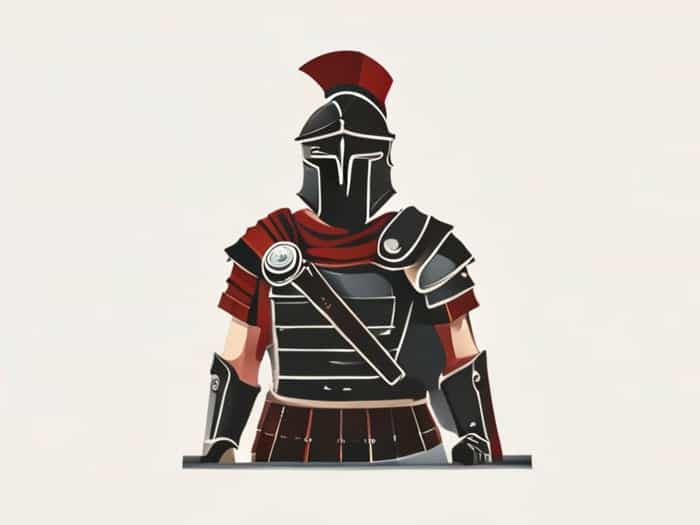
The Roman Praetorian Guard was one of the most elite military units in ancient Rome, tasked with protecting the emperor and maintaining order within the capital. Their armor, weapons, and equipment were not only designed for combat effectiveness but also symbolized authority, prestige, and loyalty to the emperor. Understanding the components and design of the Roman Praetorian Guard armor provides insight into the military sophistication of ancient Rome and the unique role of this elite unit. This armor was both functional and ceremonial, reflecting the dual purpose of the Praetorian Guard as both warriors and symbols of imperial power.
Introduction to the Praetorian Guard
The Praetorian Guard was established during the Roman Republic but became particularly prominent during the Roman Empire. They were stationed in Rome and other key locations to protect the emperor, his family, and important state officials. Over time, the Guard gained significant political influence, sometimes even participating in imperial succession decisions. Their armor, therefore, needed to balance protection, mobility, and the visual representation of authority, setting them apart from ordinary legionaries.
Role and Importance
- Protection of the emperor and imperial family.
- Maintenance of public order in Rome and surrounding areas.
- Elite military status with rigorous training and discipline.
- Political influence due to proximity to imperial power.
Components of Praetorian Guard Armor
The armor of the Praetorian Guard shared many similarities with standard Roman legionary equipment but often included enhancements to reflect their elite status. Their armor was carefully crafted to provide protection during combat while allowing flexibility for close-quarters engagements in urban environments. Each piece of armor served a specific function, combining defense, practicality, and ceremonial display.
Helmet (Galea)
The Praetorian Guard helmet, or galea, was typically made of bronze or iron and featured a pronounced crest that could be made of horsehair or feathers. The crest often served both decorative and functional purposes, indicating rank and enhancing visibility during parades or ceremonial duties. Helmets also included cheek guards, a neck guard, and reinforced edges to protect against blows from swords, axes, or other weapons.
Body Armor (Lorica Segmentata and Lorica Hamata)
The body armor of the Praetorian Guard included two main types lorica segmentata and lorica hamata. Lorica segmentata consisted of metal strips fastened together with leather straps, providing excellent protection while allowing mobility. Lorica hamata, a chainmail armor, was sometimes used for ceremonial purposes or as an alternative for higher-ranking members. Both types were designed to absorb and deflect attacks, protecting the torso and vital organs.
Shields (Scutum)
Praetorian Guard shields were large, rectangular, and curved, designed to cover the body and allow defensive formations. The scutum was decorated with symbols of the emperor or Roman state, reinforcing the Guard’s connection to imperial authority. Shields were not only defensive tools but also used offensively to push enemies and create strategic advantages during combat.
Additional Protective Gear
- GreavesBronze or iron leg guards protecting the shins and calves.
- Arm GuardsLeather or metal protection for forearms during sword combat.
- Cloaks and TunicsWool or linen garments worn under or over armor, providing comfort, insulation, and ceremonial appearance.
Weapons of the Praetorian Guard
While armor was essential, the Praetorian Guard’s effectiveness also relied on their weapons. Each guard was equipped with a combination of offensive tools suited for personal defense, close-quarters combat, and ceremonial functions.
Main Weapons
- GladiusThe short Roman sword used for stabbing and slashing, highly effective in tight formations.
- PugioA small dagger carried as a secondary weapon for close encounters or emergencies.
- Javelin (Pilum)Occasionally used by the Guard, though less common than in standard legionary units.
Design Features and Symbolism
The design of the Praetorian Guard armor was not purely functional; it also conveyed political and symbolic messages. Crests, decorations, and intricate metalwork signified rank, loyalty, and connection to the emperor. Ceremonial armor often featured elaborate designs that emphasized the prestige and elite status of the Guard. The visual impact of this armor reinforced the presence of Roman authority both on the battlefield and within the city of Rome.
Visual Elements
- Decorative engravings depicting victories, gods, or imperial symbols.
- Colorful plumes and crests to indicate rank and unit identity.
- Embellishments on shields and breastplates signaling loyalty to the emperor.
Evolution Over Time
Praetorian Guard armor evolved throughout the Roman Empire, adapting to changing military tactics, new materials, and ceremonial requirements. Early guards wore simpler armor similar to legionaries, but as the Guard became more prestigious, their equipment incorporated higher-quality metals, enhanced decoration, and unique design elements. Changes in warfare, such as the introduction of cavalry and more sophisticated siege techniques, also influenced armor adaptations.
Adaptations and Improvements
- Enhanced helmets with crests for visibility and distinction.
- Improved lorica segmentata for better mobility and protection.
- Decorative elements for ceremonies, parades, and state functions.
- Integration of reinforced greaves and arm guards for urban combat.
Legacy and Influence
The armor of the Roman Praetorian Guard has left a lasting impression on military history and popular culture. Its combination of functionality, protection, and symbolic representation influenced later European armor designs and continues to be a source of inspiration in films, literature, and reenactments. Modern depictions of Roman soldiers often emphasize the distinctive armor of the Praetorian Guard, highlighting its iconic status as a symbol of power, discipline, and elite military service.
Cultural and Historical Impact
- Symbol of imperial authority and elite military status in ancient Rome.
- Influence on subsequent armor designs in medieval and Renaissance Europe.
- Popularization in films, television, and historical reenactments.
- Study by historians and archaeologists to understand Roman military organization and craftsmanship.
The Roman Praetorian Guard armor was a remarkable combination of functionality, ceremonial splendor, and symbolic authority. Each component, from the galea helmet to the lorica segmentata, was carefully designed to protect the wearer while reinforcing the Guard’s elite status and loyalty to the emperor. Over time, this armor evolved to meet the practical needs of combat and the political demands of Rome, leaving a legacy that continues to captivate historians, military enthusiasts, and the general public. Studying the armor of the Praetorian Guard offers a window into the sophistication, strategy, and cultural significance of one of Rome’s most prestigious military units.