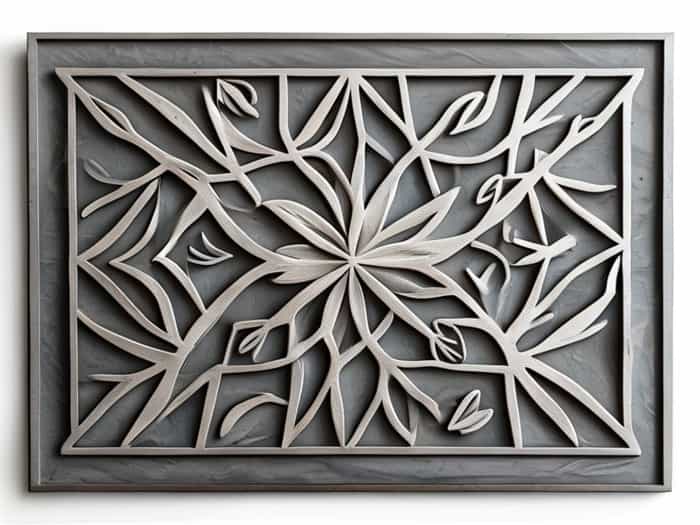
DIY fretwork wall panels are an innovative and stylish way to enhance the aesthetic appeal of any space while adding a touch of personalization. These panels, characterized by their intricate cut-out patterns and geometric designs, can transform plain walls into focal points, offering both visual interest and texture. Creating your own fretwork panels allows homeowners and crafters to combine creativity with practicality, resulting in unique decor elements that reflect personal style. With the right materials, tools, and techniques, a DIY fretwork wall panel project can be accessible, enjoyable, and highly rewarding, giving any room a modern yet elegant feel.
Understanding Fretwork Wall Panels
Fretwork refers to decorative wood or metal designs cut into panels, often featuring repeating patterns, latticework, or ornamental motifs. Traditionally used in furniture, cabinetry, and architectural elements, fretwork has evolved to include wall panels that serve as accent pieces or room dividers. These panels can be made from various materials such as plywood, MDF, metal, or even acrylic, depending on the desired effect and durability. DIY fretwork wall panels allow for complete control over pattern selection, panel size, and finishing, ensuring a tailored look for each project.
Benefits of DIY Fretwork Panels
- CustomizationYou can choose the pattern, size, and material to match your room’s style.
- Cost-EffectiveCreating your own panels can be more affordable than purchasing pre-made designs.
- Creative ExpressionDIY projects allow you to experiment with colors, finishes, and textures.
- Easy InstallationPanels can be mounted on walls, ceilings, or even as room dividers with minimal effort.
- Enhanced AestheticsFretwork adds depth and dimension to plain walls, elevating the overall decor.
Materials and Tools Required
To successfully create DIY fretwork wall panels, it is important to gather the necessary materials and tools. Commonly used materials include MDF, plywood, or laser-cut sheets, depending on the level of detail desired. For tools, options vary based on the complexity of the design. A jigsaw or scroll saw is ideal for cutting intricate patterns, while CNC routers or laser cutters provide precision for more advanced projects. Sandpaper, clamps, measuring tools, and paint or wood stain are essential for finishing touches and installation.
Choosing the Right Material
MDF and plywood are popular choices for DIY fretwork due to their affordability, ease of cutting, and smooth surface for finishing. MDF offers a consistent texture, making it ideal for detailed designs, while plywood provides additional strength and durability. For a more modern look, acrylic sheets or metal panels can be used, though they may require specialized cutting tools. When selecting materials, consider both aesthetics and functionality, ensuring that the panel will withstand the environment where it will be installed.
Designing Your Fretwork Panels
The design process is a critical step in creating DIY fretwork wall panels. Patterns can range from geometric shapes, floral motifs, abstract designs, or traditional latticework. Online resources and design software can help create custom templates, or you can purchase pre-made designs for tracing. When planning, measure the wall space carefully and determine how many panels are needed to achieve the desired effect. A well-thought-out design ensures that the finished panels will complement the room’s overall decor and layout.
Tips for Successful Design
- Start with simple patterns if you are new to fretwork.
- Consider the scale of the design in relation to your wall size.
- Use stencils or templates to maintain precision in cutting.
- Think about the lighting, as shadows from the panels can enhance visual impact.
- Plan for consistent spacing if multiple panels will be used together.
Cutting and Shaping the Panels
Once your design is ready, the next step is cutting the patterns into your chosen material. For DIY projects, scroll saws and jigsaws are common tools that allow careful control over intricate cuts. CNC routers or laser cutters are ideal for achieving precise, repeatable designs. Safety is essential during this step, including wearing protective eyewear, securing the material, and working in a well-ventilated area. Taking your time with cutting ensures clean lines and reduces the risk of mistakes.
Finishing Techniques
After cutting, fretwork panels require finishing to enhance their appearance and protect the material. Sanding edges and surfaces removes rough areas and prepares the panels for paint or stain. Wood stain can highlight natural textures, while paint allows for bold, contemporary color schemes. For an added touch, metallic or textured finishes can be applied. Proper sealing ensures the panels remain durable and easy to clean, making them a long-lasting decor element.
Installing DIY Fretwork Wall Panels
Installation is straightforward and can be customized based on your wall and room layout. Panels can be mounted using adhesive, screws, or brackets depending on weight and wall type. Some designs allow for floating panels, while others fit flush against the wall. Measuring and leveling each panel carefully is crucial to achieving a professional-looking result. DIY installation gives you flexibility, allowing adjustments for alignment, spacing, and placement to create the desired visual effect.
Creative Installation Ideas
- Use panels as headboards in bedrooms for a striking feature.
- Create a partition wall between living areas using multiple panels.
- Frame panels for wall art displays with unique patterns.
- Combine panels with backlighting for a dramatic, illuminated effect.
- Mix different materials or finishes to add depth and contrast.
Maintenance and Care
Maintaining DIY fretwork wall panels is simple with proper care. Dusting regularly prevents build-up in intricate cutouts. For painted or stained panels, using a soft cloth and mild cleaner preserves the finish without damaging the material. Inspecting panels periodically for loose edges or damage ensures longevity. With routine maintenance, fretwork panels remain an elegant and functional design feature in your home for years to come.
DIY fretwork wall panels are an excellent way to add personality, elegance, and texture to your living spaces. With a combination of thoughtful design, quality materials, and careful craftsmanship, these panels can transform plain walls into visually captivating features. Whether used as standalone art pieces, room dividers, or accent walls, fretwork panels offer endless possibilities for creativity and self-expression. By following proper techniques for designing, cutting, finishing, and installing your panels, you can achieve professional-quality results and enjoy the satisfaction of a truly personalized home decor project.