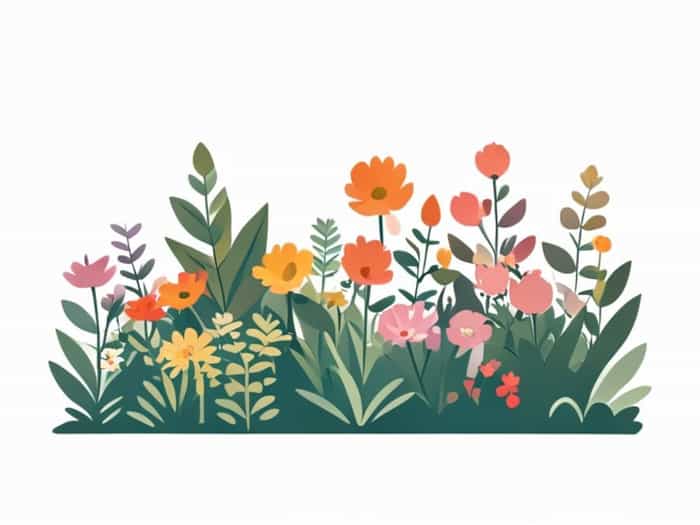
A well tended perennial garden is more than just a collection of flowers; it is a living landscape that changes with the seasons while offering beauty year after year. Unlike annuals that must be replanted each spring, perennials come back season after season, rewarding the gardener with lasting color and texture. Creating and maintaining such a garden requires planning, care, and attention, but the result is a vibrant outdoor space that enhances both home and lifestyle. From plant selection to soil preparation and long-term maintenance, every detail contributes to the success of a perennial garden that thrives over time.
Understanding Perennial Gardens
Perennials are plants that live for more than two years, returning each season with new growth. A well tended perennial garden includes a variety of species that bloom at different times, ensuring color and interest throughout the growing season. Unlike temporary plantings, this type of garden offers long-lasting rewards with less replanting effort. It is both practical and sustainable, as once established, many perennials require less maintenance compared to other plants.
Benefits of Perennials
- They return every year, reducing the need for constant replanting.
- Many perennials are hardy and adapt well to local climates.
- They provide consistent structure and design for outdoor spaces.
- Once established, perennials often require less water and fertilizer.
- They attract pollinators such as bees and butterflies.
Planning a Well Tended Perennial Garden
Success starts with careful planning. Choosing the right location and selecting plants that complement each other is essential. A well tended perennial garden is designed to balance beauty with practicality, offering color and texture in every season. Proper planning ensures that the garden not only looks beautiful but also remains manageable over the years.
Choosing the Right Site
Sunlight, soil, and drainage are critical considerations when planning. Some perennials thrive in full sun, while others prefer partial shade. Understanding these requirements prevents stress on the plants and reduces the risk of disease. Testing soil and amending it with compost or organic matter helps ensure healthy growth.
Selecting Plants
A diverse selection of plants is important for a well tended perennial garden. Including early bloomers, mid-season flowers, and late bloomers ensures that the garden remains attractive throughout the growing season. Mixing heights, colors, and textures creates visual interest and prevents the garden from looking flat.
- Early bloomersCrocus, tulips, daffodils.
- Mid-season plantsDaylilies, peonies, coneflowers.
- Late bloomersSedum, asters, chrysanthemums.
Designing with Perennials
Design plays a key role in creating a perennial garden that looks well cared for. The arrangement of plants can highlight their natural beauty while making the garden easier to maintain. A good design ensures a balance between form, color, and function.
Layering and Structure
Layering plants by height creates depth and dimension. Taller perennials should be placed in the back of beds, medium-height plants in the middle, and low-growing varieties in the front. This arrangement makes each plant visible and prevents overcrowding.
Color Harmony
Color is a defining feature of any garden. Combining complementary or contrasting colors adds vibrancy. A well tended perennial garden often mixes bold blooms with softer shades to achieve balance. For example, purple coneflowers pair well with yellow black-eyed Susans for a lively effect.
Seasonal Interest
Perennials provide seasonal variety when selected wisely. Incorporating plants with different bloom times ensures continuous color from spring to fall. Foliage should also be considered, as many perennials offer attractive leaves that remain beautiful even after flowers fade.
Maintaining a Perennial Garden
Creating a garden is only the first step; keeping it well tended requires regular maintenance. While perennials are less demanding than annuals, they still need attention to stay healthy and attractive. Proper care enhances longevity and prevents common gardening issues.
Watering and Feeding
Water is essential, especially during dry spells. A deep soak encourages strong root development. Applying mulch helps retain moisture and suppress weeds. Fertilizing with organic compost or balanced plant food ensures steady growth without overwhelming the plants.
Weeding and Mulching
Weeds compete with perennials for nutrients and water. Regular weeding keeps the garden neat and prevents invasive species from taking over. Mulching not only conserves moisture but also creates a polished look, contributing to a well tended appearance.
Pruning and Deadheading
Pruning encourages healthy growth and prevents overcrowding. Deadheading, or removing spent flowers, stimulates more blooms and keeps plants looking tidy. Some perennials also benefit from being cut back after flowering to promote strong regrowth.
Dividing and Replanting
Over time, perennials may become overcrowded. Dividing plants every few years revitalizes them and creates opportunities to expand the garden. This practice maintains vigor and prevents decline in flowering.
Perennials for Different Garden Styles
Not all perennial gardens look the same. A well tended garden can take many forms depending on style preferences. Whether formal, cottage-inspired, or naturalistic, perennials adapt well to various designs.
- Formal gardensUse structured plantings like boxwood borders and symmetrical arrangements.
- Cottage gardensEmphasize a mix of colorful flowers with a casual, abundant style.
- Wildlife-friendly gardensInclude native plants that support bees, butterflies, and birds.
- Modern landscapesFeature clean lines, ornamental grasses, and low-maintenance perennials.
Long-Term Rewards of a Well Tended Garden
A perennial garden is an investment in both beauty and sustainability. Over time, it becomes easier to maintain as plants establish strong root systems. A well tended perennial garden not only enhances the appearance of a property but also creates a relaxing retreat for homeowners. The seasonal changes bring new surprises, keeping the garden dynamic and engaging year after year.
Emotional and Practical Benefits
Gardening has been shown to reduce stress and promote well-being. Caring for a perennial garden provides both exercise and a creative outlet. It also increases property value and contributes to a healthier environment by supporting pollinators and improving soil health.
Building and maintaining a well tended perennial garden requires thoughtful planning, ongoing care, and a passion for nature. By selecting the right plants, designing with harmony, and keeping up with maintenance, gardeners can enjoy a vibrant landscape that flourishes year after year. With its blend of beauty, sustainability, and seasonal variety, a perennial garden is one of the most rewarding outdoor projects anyone can undertake. Whether large or small, every well tended perennial garden tells a story of growth, patience, and lasting beauty.