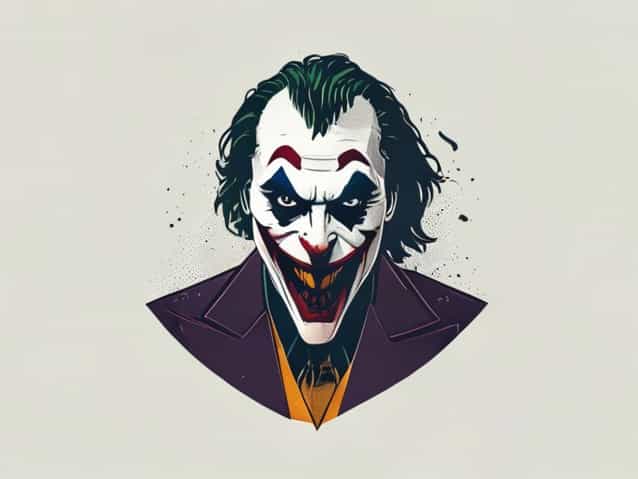
There are few moments more surreal than standing face to face with the Joker – Gotham’s most unpredictable villain – and realizing that instead of running, you actually cussed him out. Whether imagined in a dream, played out in a comic book, or felt through a symbolic confrontation with chaos itself, the phrase I cussed out the Joker captures the thrilling defiance of standing up to madness, danger, or fear. It’s not just about yelling at a fictional character; it’s about confronting the part of life that feels wild and uncontrollable – and refusing to be intimidated by it.
The Symbolism Behind I Cussed Out the Joker
At its core, I cussed out the Joker isn’t only about a literal encounter. It’s an emotional and symbolic statement about rebellion, courage, and the refusal to give power to chaos. The Joker, in popular culture, represents unpredictability, anarchy, and the darker side of human nature. When someone says they cussed him out, it suggests they stood their ground against manipulation, fear, or personal demons.
In psychology, the Joker archetype can represent the trickster – a force that disrupts order and exposes weakness. To confront it means to face one’s shadow, the inner chaos that often drives self-doubt or destructive habits. In that sense, cussing out the Joker can symbolize reclaiming control, a powerful act of defiance against one’s own inner turmoil.
The Joker’s Role in Pop Culture
The Joker has been portrayed in countless ways – from Heath Ledger’s anarchic chaos in The Dark Knight to Joaquin Phoenix’s haunting portrayal in Joker (2019). Across all versions, the character stands for something beyond villainy. He embodies disorder, laughter in pain, and a challenge to social structure. Facing him, even hypothetically, means facing something raw and dangerous.
When someone says, I cussed out the Joker, it can evoke the image of refusing to be the victim in a world that seems senseless. It means confronting fear with anger, facing manipulation with honesty, and calling out madness for what it is. It’s a bold move – one that mirrors Batman’s eternal struggle to stay sane in an insane world.
What It Means to Stand Up to Chaos
In real life, everyone faces their own version of the Joker – a force that mocks stability, challenges boundaries, or tempts you to give up control. It might be a toxic person, a bad habit, a mental struggle, or even a fear of failure. Standing up to that chaos is not easy. It requires courage, clarity, and a refusal to give in to despair.
When you cuss out the Joker, you assert that you won’t be manipulated or broken. It’s not about being aggressive; it’s about claiming your emotional space. You’re saying, I see the madness, I acknowledge it, but I won’t let it define me.
Examples of Real-Life Joker Moments
- Standing up to someone who thrives on conflict or manipulation.
- Breaking free from a toxic work or relationship dynamic.
- Overcoming self-destructive thoughts or habits that threaten your peace.
- Rejecting negativity and choosing self-respect instead.
These are the moments when your inner strength is tested. Each act of standing up for yourself is its own version of cussing out the Joker.
The Emotional Power of Defiance
Anger, when used correctly, can be empowering. In this context, cussing out doesn’t mean losing control; it means expressing yourself without fear. When facing someone or something that tries to break you, righteous anger can become a shield – a declaration that you are no longer silent or submissive.
In storytelling, characters who confront the Joker often find themselves pushed to emotional limits. Batman, for example, is constantly tested by the Joker’s chaos, yet he never crosses the line into madness himself. The tension between them is what makes their dynamic so compelling. Cussing out the Joker, metaphorically, is choosing sanity over chaos, strength over despair.
The Humor in Defiance
Ironically, humor itself can be a form of resistance. The Joker uses laughter as a weapon – twisted and unsettling – but laughter can also disarm fear. When you can laugh at something that once terrified you, it loses power over you. In that way, I cussed out the Joker might also mean reclaiming humor, turning pain into something you control.
People often cope with hardship through dark humor. It’s not about disrespecting pain but surviving it. To cuss out the Joker is to laugh in the face of chaos, to say, You can’t break me. I still have my voice. That’s not just bravery – it’s emotional intelligence.
Lessons Hidden in the Encounter
Every symbolic confrontation with the Joker – whether in fiction or within oneself – reveals important lessons about human resilience. The Joker thrives on fear and confusion. He wants people to lose their moral compass and give in to disorder. Refusing to do so means staying grounded, even when everything around you is spinning out of control.
Key Lessons from I Cussed Out the Joker
- Find your voiceNever let chaos silence you. Speaking up is an act of power.
- Control your narrativeThe Joker wants to define your reality. Don’t let him.
- Embrace imperfectionOrder and chaos coexist; learning to live between them is strength.
- Use humor as armorLaughter is not weakness – it’s defiance.
- Know your limitsCourage means facing fear without losing yourself in it.
These lessons apply to everyday life, from handling stress to navigating complex relationships. Every time you refuse to be manipulated by negativity, you repeat the act of confronting the Joker and walking away stronger.
The Psychological Perspective
From a psychological standpoint, the Joker can represent the shadow self – the part of our mind that contains suppressed fears, desires, and impulses. Carl Jung described this as an integral part of the psyche that must be acknowledged but not allowed to dominate. When you cuss out the Joker, you are confronting your shadow, acknowledging its existence, and setting firm boundaries.
In practical terms, this might mean confronting anxiety, self-doubt, or inner conflict. It’s the process of saying, I see you, but you don’t control me. That’s a healthy step toward self-awareness and mental strength.
Standing Up in a World of Jokers
In today’s world, the metaphor of the Joker feels more relevant than ever. Chaos often comes from misinformation, social tension, or emotional burnout. Maintaining stability can feel like standing in front of a villain who wants to see everything fall apart. But courage still matters – even if it starts with small acts of resistance.
Standing up to the Joker, in whatever form he appears, means protecting your mental health, your integrity, and your compassion. It’s choosing to believe in goodness despite darkness. And sometimes, that belief itself is an act of rebellion.
I cussed out the Joker is more than a dramatic statement – it’s a symbol of strength, clarity, and personal rebellion. Whether imagined in Gotham’s alleys or experienced in the real world, the idea represents a universal truth that everyone has the power to face chaos and say, You don’t control me. The Joker, as a figure, will always exist – in stories, in society, and within us. But what defines us is not the chaos we face, but the courage to stand against it. In the end, cussing out the Joker means finding your voice in a world that often tries to silence it – and realizing that, sometimes, defiance is the first step toward freedom.