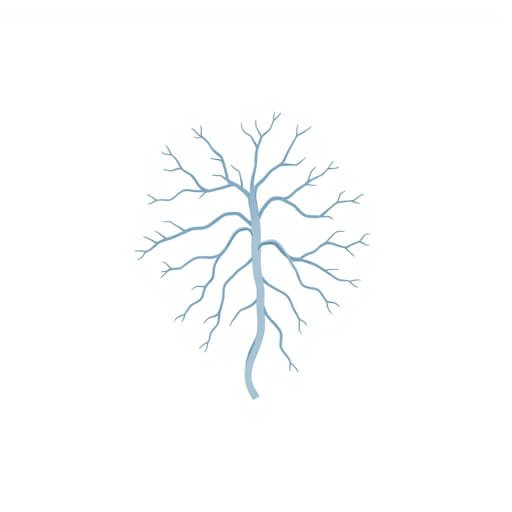
The great vein of Galen is a vital structure in the human brain’s venous system, playing a crucial role in draining blood from deep cerebral regions. Named after the ancient Roman physician Claudius Galen, this vein is significant both anatomically and clinically. Understanding the anatomy, function, and possible disorders related to the great vein of Galen is important for medical professionals and anyone interested in brain health. It is especially relevant in diagnosing and managing rare but serious vascular conditions such as vein of Galen malformations.
Anatomy of the Great Vein of Galen
The great vein of Galen, also known as the vein of Galen or the great cerebral vein, is a short but large midline vein located deep within the brain. It is formed by the confluence of two internal cerebral veins, which collect blood from the deep parts of both cerebral hemispheres. This vein then drains into the straight sinus, which is part of the brain’s dural venous sinus system responsible for carrying deoxygenated blood away from the brain and back to the heart.
Location and Structure
The great vein of Galen lies beneath the corpus callosum, near the pineal gland, in the posterior part of the brain. It runs horizontally and connects to the straight sinus. Despite its relatively short length, it is a wide vein that handles significant blood flow. Its position deep within the brain makes it critical for draining regions such as the thalamus, basal ganglia, and internal capsule.
Function and Importance
The primary function of the great vein of Galen is to drain venous blood from deep brain structures. This drainage is crucial for maintaining proper cerebral circulation and preventing venous congestion or increased intracranial pressure. Efficient venous drainage ensures that metabolic waste products and carbon dioxide are removed from brain tissues, maintaining overall brain health and function.
Relationship with Other Venous Structures
The great vein of Galen is part of an intricate network of veins and sinuses that collect and direct blood flow out of the brain. It receives blood from the internal cerebral veins and basal veins of Rosenthal, then channels it into the straight sinus. From there, blood continues to the transverse sinuses and ultimately to the internal jugular veins, which return blood to the heart. This pathway is essential for balancing intracranial pressure and ensuring effective cerebral circulation.
Clinical Significance of the Great Vein of Galen
Though the great vein of Galen is a normal and essential anatomical structure, it can sometimes be involved in medical conditions that require attention. The most notable disorder related to this vein is the vein of Galen malformation (VOGM), a rare congenital vascular anomaly that primarily affects infants and young children.
Vein of Galen Malformation (VOGM)
Vein of Galen malformation is a condition where abnormal connections form between arteries and the great vein of Galen, creating an arteriovenous malformation (AVM). This abnormal connection causes high-pressure arterial blood to flow directly into the vein, leading to its dilation and increased pressure. VOGM can result in severe symptoms including heart failure in newborns, hydrocephalus (fluid buildup in the brain), developmental delays, and seizures.
Diagnosing VOGM typically involves imaging techniques such as ultrasound (especially prenatal ultrasound), MRI, CT scans, and cerebral angiography. Treatment may include endovascular embolization, a minimally invasive procedure to block abnormal vessels and reduce blood flow through the malformation.
Other Venous Conditions
In adults, thrombosis or clot formation in the great vein of Galen or related venous sinuses can cause serious neurological symptoms. This condition, called cerebral venous sinus thrombosis (CVST), can lead to headaches, seizures, vision problems, and stroke-like symptoms. Prompt diagnosis and anticoagulant therapy are vital in managing such cases.
Imaging and Diagnosis
Because the great vein of Galen is located deep within the brain, imaging studies are critical in visualizing and assessing its condition. Modern techniques provide detailed views of this vein and its associated vessels.
- MRI (Magnetic Resonance Imaging): MRI provides high-resolution images of brain structures and is often used to detect abnormalities in the vein of Galen and surrounding tissues.
- MR Angiography and Venography: These specialized MRI techniques visualize arteries and veins respectively, helping identify vascular malformations or thrombosis.
- CT Scan and CT Angiography: CT imaging can quickly identify hemorrhages, calcifications, and vascular anomalies.
- Cerebral Angiography: This invasive procedure remains the gold standard for detailed visualization of cerebral blood vessels and is essential in planning interventions for vein of Galen malformations.
Developmental and Embryological Perspective
The great vein of Galen forms during early fetal development as part of the primitive venous system. Normally, the median prosencephalic vein regresses and the mature vein of Galen develops. Failure in this process can lead to malformations such as VOGM. Understanding the embryology of this vein helps medical professionals diagnose and manage congenital conditions effectively.
Summary
The great vein of Galen is a crucial venous structure in the brain that facilitates blood drainage from deep cerebral regions. Its proper function is essential for maintaining cerebral circulation and intracranial pressure balance. Though normally healthy and functional, this vein can be involved in serious medical conditions like vein of Galen malformations and cerebral venous thrombosis. Advances in imaging and interventional radiology have improved diagnosis and treatment outcomes. Awareness of the anatomy and clinical significance of the great vein of Galen is important for healthcare providers and those interested in neurological health.