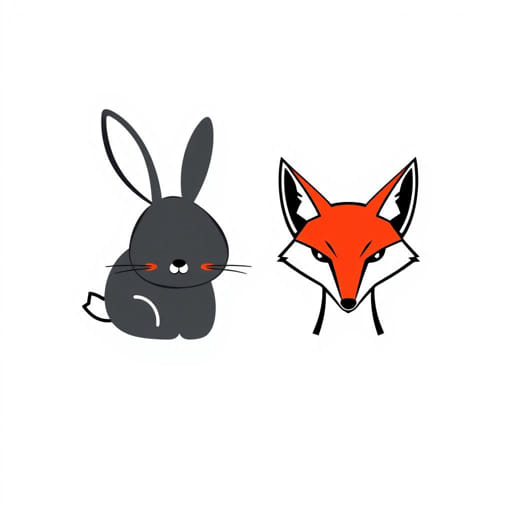
Throughout storytelling history, the phrase Dumb Bunny, Sly Fox has carried symbolic weight, often used to depict contrasting personality traits in a memorable and entertaining way. These two animal archetypes have been embedded in folktales, literature, film, and even everyday conversations, serving as metaphors for naivety and cunning. But beneath the surface, the meaning of ‘Dumb Bunny, Sly Fox’ is more complex than it seems. It’s a study in character dynamics, social perceptions, and the underestimated power of innocence when paired against intelligence with hidden motives. Exploring this phrase gives insight not only into cultural storytelling but also into the way we label behavior in both animals and humans.
The Origins of the Archetypes
The Bunny: Innocence and Misjudged Simplicity
Traditionally, rabbits or bunnies have been portrayed as timid, gentle, and harmless. In folklore, the bunny often represents innocence, vulnerability, or childlike wonder. However, being called a ‘dumb bunny’ goes beyond mere softness it implies foolishness, lack of awareness, or gullibility.
Yet this label may be misleading. In nature, rabbits survive through vigilance and quick reactions. They may not be confrontational, but their awareness and agility have evolutionary value. Calling someone a ‘dumb bunny’ can be a social shortcut to dismiss someone as naive when in reality, they may simply be cautious, emotionally driven, or unwilling to manipulate others.
The Fox: Intelligence and Trickery
Foxes have long been symbols of wit, slyness, and strategy. In tales from Aesop’s fables to modern cartoons, the fox is the clever character who outsmarts others. The phrase sly as a fox conveys mental sharpness, especially in manipulation or deception. The sly fox archetype uses intelligence not just for survival, but for personal gain, often at the expense of others.
Foxes are admired for their intelligence but also feared for their trickery. The term carries both admiration and caution being clever, yes, but often lacking in empathy or moral integrity. In relationships, business, or politics, a sly fox might be someone who plays others to win.
Symbolic Contrast: Naivety vs. Cunning
The juxtaposition of the ‘dumb bunny’ and ‘sly fox’ serves as a perfect metaphor for the contrast between innocence and cunning. This dynamic can appear in:
- Literature: Where naive characters are exploited by cunning antagonists.
- Movies and TV: Like Disney’sZootopia, which intentionally plays with these stereotypes to teach lessons about prejudice and personal growth.
- Relationships: One partner may be seen as trusting and emotional, while the other is strategic or emotionally reserved.
At first glance, this contrast implies a power imbalance. However, modern storytelling often subverts these roles, allowing the dumb bunny to learn, adapt, and even outwit the fox in the end. It suggests that emotional intelligence, kindness, and determination can be just as powerful as logical cunning.
Psychological Interpretation
The Dumb Bunny Persona
People labeled as dumb bunnies may display traits like openness, trust, and a willingness to give others the benefit of the doubt. In psychology, these traits can align with high agreeableness and low neuroticism. Such individuals might struggle in competitive environments but thrive in nurturing, cooperative spaces.
The Sly Fox Persona
In contrast, the sly fox may be high in traits like Machiavellianism, strategic thinking, and self-preservation. They are often observant and persuasive, able to read social situations quickly and react advantageously. But this comes with risks overreliance on manipulation can erode trust and lead to isolation.
Lessons from the Pairing
Mutual Learning
The dumb bunny and sly fox, when placed together in stories, often engage in a process of mutual transformation. The bunny learns skepticism, courage, and critical thinking. The fox, on the other hand, may develop empathy, loyalty, or a sense of justice. Their differences force each to evolve.
Balance in Character
Ideally, a person should aim to have a balance of both archetypes open-hearted like the bunny, yet wise like the fox. Success in life often comes from blending honesty with awareness, trust with caution, and empathy with intelligence. One without the other can lead to imbalance: too trusting and you’re exploited; too cunning and you may end up alone.
Real-World Applications
Workplace Dynamics
In the professional world, the ‘dumb bunny’ might be the team member who follows rules and assumes good intentions. The ‘sly fox’ might be the office politician who understands the unspoken rules and uses them to climb the ladder. While foxes may advance quickly, bunnies often earn long-term respect and loyalty.
Education and Development
Educators can use these archetypes to teach students about self-awareness. Encouraging critical thinking in bunnies and ethical responsibility in foxes helps foster well-rounded character development. It also reduces bullying or manipulation in social groups.
Relationships and Trust
In personal relationships, the bunny and fox dynamic can create tension if one feels taken advantage of or misunderstood. Communication and honesty are crucial. When both parties understand each other’s strengths and weaknesses, they can build a relationship rooted in mutual respect rather than manipulation or dependency.
Breaking Stereotypes
Beyond Appearances
Just as real rabbits and foxes behave differently from their stereotypes, so do people. A soft-spoken person may be highly intelligent. A clever person may act out of protection, not malice. Labels like dumb or sly often oversimplify the complexities of human personality.
Media’s Role
Movies and books are increasingly aware of these tropes and work to break or reverse them. Characters who appear foolish may end up saving the day. Meanwhile, cunning characters often face consequences or choose redemption. This shift reflects a deeper understanding of human complexity and a move away from lazy stereotyping.
Dumb Bunny, Sly Fox is more than a catchy phrase. It’s a lens through which we can understand human behavior, personal growth, and the dynamics of power and perception. While it may begin as a stereotype, deeper analysis shows how these roles reflect both strengths and weaknesses. In a world that prizes both emotional intelligence and strategic thinking, the most successful individuals know when to lead with their heart like the bunny, and when to think like the fox. Learning to balance both is the true mark of wisdom.