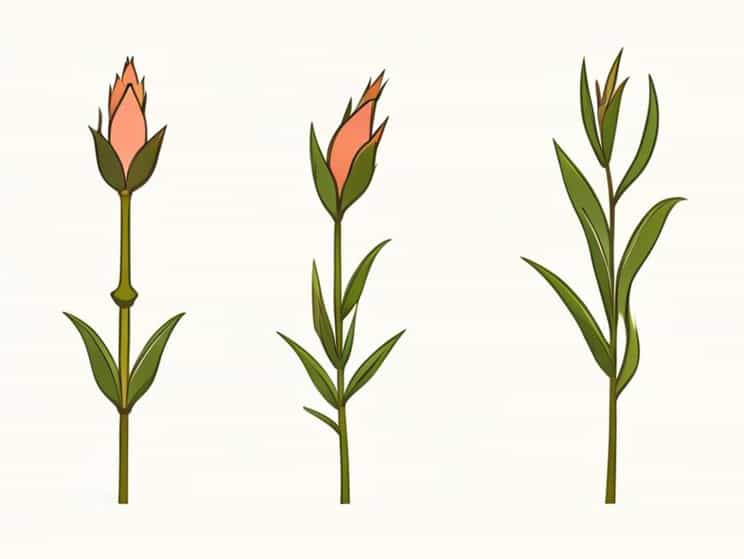
Single budded setts of sugarcane are an essential technique in modern sugarcane cultivation, widely used to improve efficiency, reduce planting costs, and ensure healthy crop establishment. Unlike traditional methods where entire cane stalks or multiple-budded setts are used, single budded setts focus on planting only one bud per segment, promoting targeted growth and better control over crop quality. This approach has gained popularity among sugarcane farmers due to its ability to optimize land use, enhance disease management, and increase overall sugarcane yield. Understanding the preparation, advantages, and proper management of single budded setts is crucial for achieving successful cultivation results.
Understanding Single Budded Setts
In sugarcane cultivation, a sett refers to a segment of the sugarcane stem that contains one or more buds, which are capable of sprouting into a new plant. Single budded setts specifically contain only one bud per segment, which allows for precise control over planting density and growth. This technique contrasts with traditional methods that often use multiple buds per sett, which can lead to uneven germination and competition among shoots.
Structure and Composition
- BudsThe single bud is the growing point from which the new sugarcane shoot develops.
- Stem segmentA small portion of the sugarcane stalk that supports the bud and provides initial nutrients for sprouting.
- Protective outer layerHelps prevent damage and infection during planting.
By isolating a single bud, farmers can ensure that each sprout develops independently, reducing overcrowding and improving overall plant health.
Preparation of Single Budded Setts
The preparation of single budded setts involves several careful steps to ensure high germination rates and strong crop establishment. The process begins with selecting healthy, disease-free sugarcane stalks from mature plants. After selection, the stalks are cut into small segments, each containing only one bud. Special attention is given to the orientation and integrity of the bud during cutting to prevent damage.
Steps in Preparation
- Selection of Mother CaneChoose mature, disease-free cane stalks with prominent buds.
- CuttingSegment the cane into single budded setts, ensuring the bud remains intact and viable.
- TreatmentApply fungicides or growth promoters to protect the bud and enhance sprouting.
- StorageIf not immediately planted, store setts in a cool, shaded area to maintain viability.
Proper preparation of single budded setts is critical to ensure high sprouting rates and uniform growth, which directly impacts yield and crop quality.
Advantages of Single Budded Setts
Using single budded setts in sugarcane cultivation offers several significant benefits over traditional planting methods. These advantages contribute to improved productivity, reduced labor, and better resource management
- Higher Germination RateFocusing on one bud per sett reduces competition among shoots, promoting stronger and faster germination.
- Uniform Crop GrowthSingle budded setts lead to evenly spaced plants, facilitating uniform growth and easier management.
- Disease ManagementUsing healthy single buds reduces the risk of spreading diseases present in older cane stalks.
- Resource EfficiencyRequires less seed material compared to multi-budded setts, lowering input costs for farmers.
- Labor SavingsEasier handling and planting of single budded setts streamline the planting process.
These benefits make single budded setts particularly valuable for commercial sugarcane cultivation, where maximizing yield and quality is a priority.
Planting Techniques
Proper planting techniques are essential to ensure that single budded setts develop into healthy sugarcane plants. The setts are usually planted in prepared furrows or trenches, with the bud facing upwards to facilitate sprouting. Spacing between setts is carefully controlled to prevent overcrowding and to allow adequate sunlight, nutrients, and water for each plant.
Steps in Planting
- Land PreparationPlow and level the soil to create a suitable planting bed.
- Trench or Furrow FormationDig shallow furrows to place the single budded setts.
- Sett PlacementPosition each single budded sett with the bud facing upwards at the recommended spacing.
- CoveringGently cover the setts with soil to protect the bud and maintain moisture.
- IrrigationProvide adequate water to support initial sprouting and root development.
Following these planting techniques ensures strong establishment of the crop and reduces the risk of failure.
Care and Management of Single Budded Setts
After planting, proper care and management are necessary to ensure successful growth. Regular monitoring for pests, diseases, and nutrient deficiencies is essential. Fertilization schedules should be adjusted based on soil testing and crop requirements, and irrigation should be carefully managed to avoid water stress or fungal problems.
Key Management Practices
- Weed ControlRegularly remove weeds to reduce competition for nutrients and sunlight.
- Pest and Disease MonitoringInspect plants frequently and apply appropriate treatments as needed.
- FertilizationProvide balanced nutrients to support vigorous growth of young shoots.
- ThinningRemove weak or unhealthy sprouts to ensure only strong plants develop.
Effective care and management practices increase the likelihood of a high-yielding, healthy sugarcane crop.
Challenges and Considerations
While single budded setts offer numerous advantages, there are challenges that farmers should consider. The preparation and handling of single buds require precision and care, and improper treatment can lead to low germination rates. Additionally, the technique may require specialized equipment or training to ensure consistent results. Farmers must also monitor for environmental factors such as soil fertility, rainfall, and temperature, which can influence the success of single budded setts.
Addressing Challenges
- Ensure proper training in cutting, handling, and planting techniques.
- Use growth promoters or fungicides to enhance bud viability.
- Conduct soil tests and adjust irrigation and fertilization to meet crop needs.
- Monitor environmental conditions to prevent stress on young plants.
Single budded setts of sugarcane represent a modern and efficient approach to crop propagation, offering numerous advantages over traditional multi-budded setts. By focusing on one bud per segment, farmers can achieve higher germination rates, uniform crop growth, and improved disease management, all while reducing labor and seed material costs. Proper preparation, planting, and care are essential to maximize the benefits of this technique, and attention to environmental and management factors ensures successful crop establishment. As sugarcane remains a vital crop for sugar production and bioenergy, adopting efficient propagation methods such as single budded setts is key to sustainable and profitable farming practices. With careful implementation, single budded setts can significantly enhance productivity and contribute to the overall success of modern sugarcane cultivation.