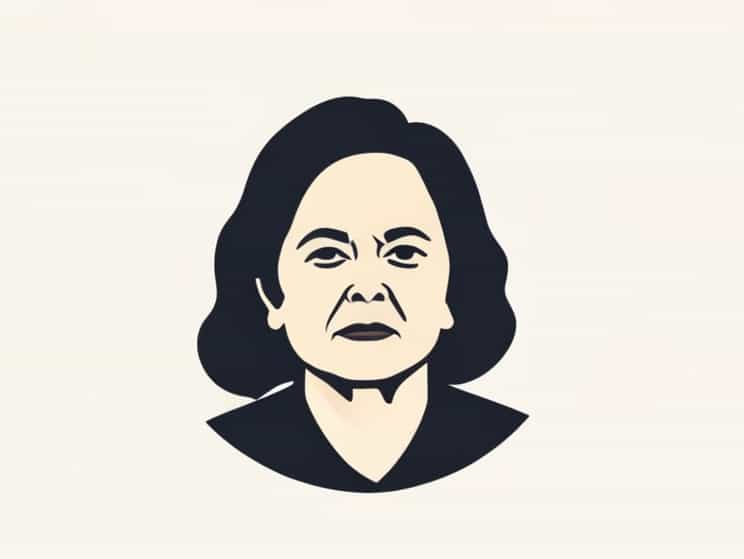
Dianne Feinstein is one of the most recognized figures in American politics, known for her long tenure and influential role in the United States Senate. Her age often becomes a topic of public interest because it reflects both her extensive experience and the remarkable longevity of her career. Born in 1933, Feinstein has witnessed decades of political change, from the Cold War to the modern era of digital politics, making her one of the longest-serving senators in U.S. history. Understanding her age provides context for her career achievements and the impact she has had on national policy over the years.
Early Life and Background
Dianne Feinstein was born on June 22, 1933, in San Francisco, California. Growing up in a politically aware environment, she developed an interest in public service early on. Her education played a key role in shaping her political career. Feinstein attended Stanford University, where she studied history and political science, which laid the foundation for her understanding of governance and policy-making. Her age and early life experiences are often highlighted to show how her formative years influenced her approach to leadership and legislation.
Political Career Beginnings
Feinstein’s political career began at the local level. She was first involved in city politics in San Francisco, where she served on various committees and boards. Her age at the time reflected a young but ambitious start in public service. Over the years, she gained recognition for her ability to navigate complex political landscapes and her dedication to public safety, civil rights, and environmental issues. These early experiences were instrumental in preparing her for national office and establishing her reputation as a capable and determined politician.
Rise to National Prominence
In 1992, Dianne Feinstein was elected to the United States Senate, representing California. Her age at that time was 59, marking a significant milestone in her career. Over the next several decades, she became a prominent figure in the Senate, known for her work on intelligence, judiciary, and environmental committees. Her age and experience provided her with a perspective that younger politicians often lacked, allowing her to influence key legislation and contribute to national policy debates effectively.
Senate Achievements
Feinstein has had a long and distinguished tenure in the Senate. Her age is closely tied to her historical impact, as she has served through multiple presidential administrations and major national events. Key achievements include
- Chairing the Senate Intelligence Committee and overseeing critical national security matters.
- Advocating for gun control legislation and playing a key role in debates over public safety.
- Promoting environmental protection policies and supporting climate change initiatives.
- Working on judicial appointments and confirming key figures to the federal judiciary.
These accomplishments demonstrate how Feinstein’s age and accumulated experience have enabled her to take on complex challenges and remain an influential voice in American politics.
Public Perception of Her Age
As Feinstein has aged, public attention has often focused on her ability to continue serving effectively in the Senate. Discussions about her age involve questions of stamina, decision-making, and representation. At over 90 years old, she holds the distinction of being one of the oldest sitting senators in U.S. history. Her age highlights not only her longevity but also her dedication to public service, as she has continued to contribute to legislative processes and engage with constituents despite the challenges that come with advanced age.
Health and Longevity
Feinstein’s age also brings attention to her health and personal well-being. Like many senior public figures, she has faced scrutiny regarding her ability to maintain a demanding work schedule. Despite this, she has remained active in the Senate, participating in hearings, voting on legislation, and engaging in public events. Her longevity is a testament to her commitment to public service and her resilience, showing that age does not necessarily limit influence or effectiveness in political office.
Impact of Age on Legacy
Dianne Feinstein’s age contributes significantly to her legacy. Having served for decades, she has accumulated an unparalleled understanding of the legislative process, policy development, and the inner workings of government. Her age allows her to provide historical context and continuity, bridging gaps between generations of politicians. This perspective has been particularly valuable in committees that deal with intelligence, judiciary matters, and national security, where experience is crucial.
Mentorship and Influence
Feinstein’s age also positions her as a mentor to younger politicians. Her decades of experience provide lessons in governance, negotiation, and public service. She has influenced countless lawmakers and political staff, offering guidance that is informed by historical knowledge and practical experience. Her ability to mentor and advise is an important aspect of her enduring influence in American politics.
Age in Relation to Political Milestones
Feinstein’s age intersects with numerous political milestones throughout her career. She has witnessed major historical events, such as the end of the Cold War, the September 11 attacks, and the evolution of technology in governance. Being of advanced age gives her a unique perspective on how policies and societal norms have changed over time. This historical awareness informs her legislative priorities and decisions, making her contributions nuanced and well-informed.
Future Considerations
While age is often a point of discussion, it is also important to consider the impact Feinstein continues to have on politics. Her ongoing service demonstrates that experience and institutional knowledge are valuable assets in legislative work. As she continues to serve, her age serves both as a measure of her historical significance and a reminder of the wisdom that comes with decades of public service. Observers often view her continued engagement as a bridge between past political practices and modern governance challenges.
Dianne Feinstein’s age is more than a number; it represents a lifetime of dedication, achievement, and influence in American politics. Born on June 22, 1933, she has reached an age that few politicians achieve while maintaining active service. Her long career highlights the interplay between experience, age, and political effectiveness. By remaining a prominent figure in the Senate, Feinstein demonstrates that age can bring wisdom, perspective, and continuity to governance. Her contributions continue to shape national policy, and her legacy is defined not only by the legislation she has helped enact but also by the historical insight her age provides. In examining how old Dianne Feinstein is, one gains an appreciation for the remarkable journey of a politician whose life has spanned generations and whose impact will be remembered for years to come.
Ultimately, understanding Feinstein’s age provides context for her achievements, her influence, and the enduring significance of her career. It underscores the importance of experience in governance and highlights how longevity in public service can enhance the depth and quality of political leadership. Her age, combined with her dedication, ensures that Dianne Feinstein remains a key figure in American history and politics.