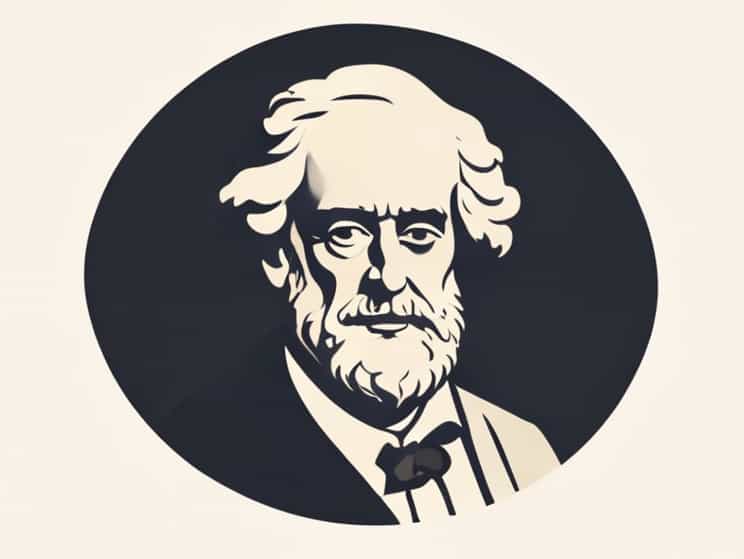
Jean-Jacques Rousseau was a prominent philosopher, writer, and political thinker whose ideas had a profound influence on the intellectual landscape of the 18th century and beyond. Born in Geneva in 1712, Rousseau’s work spanned topics from philosophy and education to politics and literature, leaving a lasting legacy that continues to shape modern thought. Known for his revolutionary ideas on human nature, social contracts, and education, Rousseau challenged the prevailing norms of his time and inspired movements that sought liberty, equality, and justice. Understanding who Rousseau was involves exploring his life, works, and the context in which he developed his influential ideas.
Early Life and Background
Jean-Jacques Rousseau was born on June 28, 1712, in Geneva, Switzerland. His early life was marked by personal hardships, including the death of his mother shortly after his birth and the departure of his father when Rousseau was still a child. These early experiences shaped his introspective nature and his interest in the development of human character. Despite limited formal education, Rousseau demonstrated a keen intellect and a deep curiosity about the world around him. He traveled extensively across Europe, working various jobs, including as a music tutor and secretary, which exposed him to diverse ideas and cultures that would later influence his writings.
Philosophical Contributions
Rousseau’s philosophical contributions are vast and varied, but one of his central concerns was the question of human nature and society. In his seminal work, Discourse on the Origin and Basis of Inequality Among Men (1755), Rousseau argued that humans are inherently good but are corrupted by society and its institutions. He believed that inequality and social injustice arise from private property and the structures of modern civilization. Rousseau’s vision of a more natural and egalitarian society challenged the rigid hierarchies of 18th-century Europe and laid the groundwork for future revolutionary thought.
The Social Contract
Rousseau is perhaps best known for his political philosophy, particularly his concept of the social contract. In his influential book, The Social Contract (1762), he proposed that legitimate political authority arises from a collective agreement among free individuals. According to Rousseau, the social contract allows people to live together in a civil society while maintaining their freedom. He introduced the idea of the general will, which represents the collective interest of the community and serves as the foundation for just governance. Rousseau’s ideas challenged absolute monarchy and inspired revolutionary movements, including the French Revolution, by advocating for popular sovereignty and democratic principles.
Views on Education
Rousseau’s impact extends beyond philosophy and politics into the field of education. In Émile, or On Education (1762), he outlined his vision of natural education, emphasizing the importance of allowing children to develop according to their own interests and abilities. Rousseau argued that education should nurture a child’s innate goodness and curiosity rather than impose rigid structures or rote learning. His progressive ideas on child-centered education influenced later educational theorists and continue to resonate in modern pedagogical practices. Rousseau’s focus on experiential learning, moral development, and the importance of nature remains highly relevant today.
Literary Works
In addition to his philosophical and political writings, Rousseau was a talented literary figure. His autobiographical work, Confessions, is considered one of the first modern autobiographies, offering an unprecedented level of personal honesty and introspection. Rousseau’s novels, such as Julie, or the New Heloise, explored themes of emotion, passion, and the conflict between societal expectations and personal desires. His literary works reflect his belief in the power of emotion and sentiment, aligning with the Romantic movement that emerged in the late 18th century. Rousseau’s writings bridged the gap between intellectual discourse and emotional expression, demonstrating the interconnectedness of human thought and feeling.
Influence on Society and Politics
Rousseau’s ideas had a profound influence on both his contemporaries and future generations. Philosophers, political leaders, and social reformers drew inspiration from his critiques of inequality and his vision of a society based on freedom and collective responsibility. His writings influenced the French Revolution, shaping ideas about citizenship, democracy, and the rights of individuals. Beyond Europe, Rousseau’s emphasis on education, civic responsibility, and moral development continues to impact modern educational systems and democratic institutions worldwide. His intellectual legacy is reflected in debates about social justice, governance, and human development.
Controversies and Criticisms
Despite his lasting influence, Rousseau’s life and ideas were not without controversy. He often clashed with other Enlightenment thinkers, such as Voltaire and Diderot, due to his unconventional views on society, religion, and education. Some critics argue that Rousseau’s emphasis on the general will and collective decision-making can be interpreted as authoritarian. Additionally, his personal life, including his abandonment of his children, has been scrutinized and contrasts sharply with his writings on morality and education. These complexities highlight the multifaceted nature of Rousseau’s character and the enduring debate over his ideas.
Rousseau’s Legacy
Jean-Jacques Rousseau died on July 2, 1778, in Ermenonville, France, but his ideas continue to resonate. He is remembered as a revolutionary thinker who challenged conventional wisdom and inspired new ways of thinking about human nature, society, and education. Rousseau’s work laid the intellectual foundation for modern political theory, pedagogy, and literature. His belief in the potential for human goodness, the importance of civic responsibility, and the transformative power of education remain central themes in contemporary discussions about ethics, governance, and social reform.
In summary, Jean-Jacques Rousseau was a multifaceted thinker whose contributions spanned philosophy, politics, education, and literature. From his early experiences in Geneva to his influential writings on human nature and society, Rousseau challenged prevailing norms and inspired generations of thinkers and reformers. His ideas on the social contract, natural education, and the moral development of individuals continue to shape modern thought and practice. Understanding who Rousseau was provides valuable insight into the evolution of Enlightenment ideas and the enduring quest for freedom, equality, and human flourishing in society.