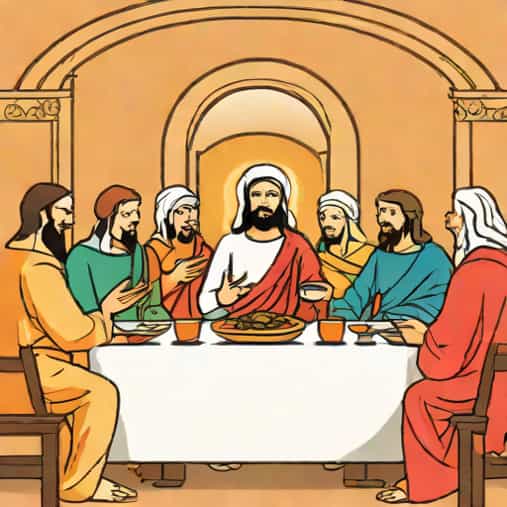
The idea that the Olympics were mocking The Last Supper became a major talking point after the 2024 Paris Olympic opening ceremony sparked strong reactions worldwide. Many people watching the event felt that a particular performance resembled Leonardo da Vinci’s famous painting The Last Supper, which shows Jesus Christ sharing a final meal with his disciples. This led to widespread debate about whether the Olympic ceremony was intentionally disrespectful to Christianity or simply misunderstood. The controversy involves art, religion, culture, and public perception, making it a complex issue that touches on freedom of expression and respect for religious traditions.
What Sparked the Controversy
During the opening ceremony of the Paris Olympics, a segment featured performers arranged around a long table, which prompted some viewers to immediately associate the scene with The Last Supper painting by Leonardo da Vinci. The performance involved drag performers, dancers, and a central figure dressed in a way that many interpreted as a parody of Jesus Christ. Social media and news outlets quickly amplified images of the scene, with critics arguing that it was mocking a sacred Christian moment. This perception triggered strong emotional responses from Christian groups and conservative commentators who saw the arrangement as an offensive parody.
Christian Leaders’ Reaction
Several Christian leaders publicly criticized the Olympic performance, saying it was disrespectful and an insult to their faith. For example, the head of the Church of Greece labeled the scene worthy of absolute contempt and described it as blasphemous. Some Catholic bishops and religious commentators also reacted strongly, suggesting that the performance mocked a core moment in Christian theology. Such statements contributed to the impression among many that the Olympics had intentionally ridiculed a religious tradition.
The Olympics Organizers’ Response
In response to the backlash, the Paris 2024 organizing committee and Olympic officials issued apologies to those who were offended. They stressed that there was no intention to disrespect any religious group through the opening ceremony. Organizers explained that the performance was designed to represent inclusivity and community tolerance rather than to parody a sacred scene. They stated that the creative direction rooted in artistic expression aimed to celebrate diversity and human connection at a global event.
Explanation from Artistic Director
The artistic director of the ceremony, Thomas Jolly, clarified that the controversial tableau was inspired by pagan celebrations and Greek mythology, particularly the figure of Dionysus, the god of wine, rather than Leonardo da Vinci’s painting of The Last Supper. According to Jolly, the scene was meant to evoke a festive gathering linked to ancient Greek culture, which is symbolically connected to the origins of the Olympic Games. This explanation aimed to shift the interpretation away from a religious reference to something rooted in cultural storytelling.
Why Many Still Saw a Mockery
Despite the organizers’ explanation, many people around the world saw clear visual parallels between the Olympic performance and The Last Supper painting. Critics argued that arranging people around a table with a central figure wearing a halolike headpiece was too similar to Leonardo da Vinci’s iconic composition to be dismissed as coincidence. Some commentators pointed out that even if the performance intended to reference another artwork, the resemblance to a major Christian symbol was obvious to many viewers.
Public and Celebrity Reactions
The controversy was amplified by reactions from public figures outside religious leadership. Some celebrities and commentators condemned the performance as mocking Christianity, while others argued for artistic freedom and the right to reinterpret cultural symbols. These mixed responses reflected wider debates about the role of art in global events and whether such displays should avoid religious references out of respect for diverse audiences.
Art, Interpretation, and Religious Sensitivity
At its core, the controversy highlights the tension between artistic expression and respect for religious symbols. The context of the Olympic Games – a global event watched by billions – raises important questions about how performers and organizers handle culturally sensitive subjects. Some argue that using imagery that resembles deeply meaningful religious art without clear context can easily offend people of faith, regardless of intent. On the other hand, defenders of the performance maintain that art often draws from a wide range of inspirations and that audiences interpret visuals through their own cultural lenses.
Historical References and Artistic Influence
Some art experts and commentators have even suggested alternative inspirations for the Olympic tableau. For instance, there were claims that the scene may have been inspired by other historical artworks depicting feasts or gatherings of figures, such as paintings showing mythological banquets. These perspectives underscore that works of art often have multiple influences and that assuming a direct parody of The Last Supper might oversimplify the creative process.
Diverse Views and Global Debate
The Olympics controversy sparked a broad discussion around the world, with opinions differing greatly depending on cultural background, religious belief, and views on artistic freedom. Some commentators dismissed the claims of mockery as exaggerated or fueled by social media reactions, pointing out that similar visual references have appeared in various artistic contexts without such intense backlash. Others maintained that the performance crossed a line of respect, particularly when dealing with deeply significant religious imagery. What is clear is that a single scene at a global event can resonate differently across communities and provoke complex dialogue.
Challenges of Global Audience
One key lesson from this discussion is that global events like the Olympics must navigate an incredibly diverse audience with a wide range of beliefs and sensitivities. What might seem like a creative artistic choice to some can be perceived as offensive or disrespectful to others, especially when religious symbols are involved. Organizers of international celebrations must balance artistic ambition with an awareness of how imagery might be received by people from different cultural and religious backgrounds.
Lessons and Future Considerations
Whether or not the Olympics were truly mocking The Last Supper, the episode underlines the importance of thoughtful engagement with cultural and religious symbols in widely broadcast events. It raises questions about how much responsibility event organizers have to avoid misunderstanding, especially in a world where social media can amplify reactions instantly. Moving forward, discussions about inclusion and respect may shape how major ceremonies incorporate artistic elements, particularly those that touch on themes connected to faith and cultural heritage.
final remarkss
The controversy over whether the Olympics mocked The Last Supper reflects deeper tensions between art, religion, and public perception. While some saw offense and disrespect, others saw creativity, celebration, and inclusivity. The official stance of the Olympic organizers was that there was no intention to mock Christianity, and that the performance aimed at reflecting diversity and community. Regardless of one’s interpretation, the debate highlights how powerful visual imagery can be in shaping our understanding of culture, faith, and global events.