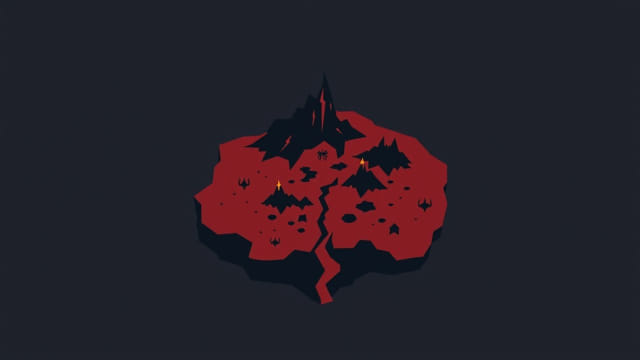
Avernus, the first layer of the Nine Hells in Dungeons & Dragons 5e, offers one of the most vivid and dramatic settings in the game. With its war-torn plains, rivers of blood, infernal war machines, and endless battles between devils and demons, Avernus provides an unforgettable landscape for players and Dungeon Masters alike. Understanding the map of Avernus 5e is essential for navigating its chaotic terrain, building compelling campaigns, and making the most of its brutal environment. This hellish realm is as dangerous as it is immersive, and the geography plays a crucial role in shaping the tone and challenges of any adventure set within it.
Overview of Avernus in 5e
The First Layer of Hell
Avernus serves as the entry point to the Nine Hells. It is a blasted wasteland filled with infernal creatures, decaying landscapes, and constant warfare. It is ruled by Zariel, a fallen angel turned archdevil, who commands her forces with brutal efficiency. The map of Avernus 5e reflects the turmoil and corruption of the plane, where every landmark tells a story of war, ambition, and divine fall.
Purpose of the Map
In Baldur’s Gate: Descent into Avernus, the campaign book for 5e, the map of Avernus is not a traditional geographical map. It is intentionally designed to feel surreal and unstable, emphasizing that distances are distorted, and the terrain shifts due to magical and infernal influences. This design choice pushes Dungeon Masters to use the map as a narrative tool rather than a rigid guide, giving them creative freedom while maintaining the unpredictability of hell.
Key Locations on the Map of Avernus
River Styx
One of the most iconic features on the map of Avernus 5e is the River Styx. This river runs through the Lower Planes and cuts across Avernus, bringing with it corruption and forgetfulness. Characters who come into contact with its waters risk losing their memories, which can lead to devastating consequences during a campaign. The Styx also serves as a transportation route, with creatures like Charon and his mariners offering passage for a price.
Fort Knucklebone
Located on the western side of the map, Fort Knucklebone is a scrapyard fortress operated by Mad Maggie, a night hag who salvages and repairs infernal war machines. This location is often a base of operations for adventurers and a place where they can obtain or modify war machines. It offers role-playing opportunities, strange allies, and access to unique infernal equipment.
Elturel
Elturel is a central story element in Descent into Avernus. The city was pulled from the Material Plane and now floats above Avernus, chained by massive infernal links to the hellish ground below. This location is depicted on the map as a landmark surrounded by constant conflict, as both devils and demons try to claim the city. Navigating the area around Elturel is treacherous due to patrols, battles, and environmental hazards.
The Bleeding Citadel
This sacred and mysterious site appears later in the campaign. Hidden within the wastes, the Bleeding Citadel is a bastion of celestial influence in an otherwise evil-dominated realm. It holds great significance for the story and provides the players with crucial resources in their battle against Zariel. The map marks it as a remote, hard-to-reach destination shrouded in legend and divine energy.
Avernus Wastelands and Chaos Terrain
The vast majority of the map of Avernus 5e is taken up by desolate plains, craters, rivers of lava, and regions scarred by war. There are no reliable paths, and landmarks may vanish or shift. This chaos reflects the nature of Avernus and reinforces the sense of dread. Dungeon Masters are encouraged to populate these areas with roving warbands, random encounters, or remnants of forgotten battles.
Using the Avernus Map in Gameplay
Abstract Navigation
Because distances are intentionally unreliable, navigating the map of Avernus 5e requires improvisation. Instead of exact miles or travel time, the Dungeon Master can describe travel in terms of encounters, narrative beats, or player choices. For example, traveling to the Bleeding Citadel might take ‘three encounters worth of travel’ rather than a fixed number of hours. This system encourages storytelling over logistics.
Environmental Hazards
The terrain of Avernus is deadly in more ways than one. The map hints at lava flows, acid pools, and massive sinkholes. Heat and exhaustion rules may apply, and the sky rains down fire or ash. Random hazard tables can be used to add flavor and challenge to travel. These elements turn the map into a dynamic experience instead of just a flat reference point.
Incorporating War Machines
One of the unique elements of the Avernus setting is the use of infernal war machines. The map features roads and regions where vehicle combat can take place. Using the map to set up ambushes, high-speed chases, or strategic encounters adds an extra layer of excitement. War machines also allow players to cover ground faster, though fuel and damage must be managed carefully.
Role-Playing with the Map
The surreal nature of the map of Avernus 5e allows Dungeon Masters to insert strange and imaginative scenarios. Landmarks might whisper to players, or a seemingly abandoned battlefield might suddenly animate with ghostly figures. This encourages a blend of exploration and role-play, where the environment itself feels alive and malicious.
Customizing the Map for Your Campaign
Adding Custom Landmarks
DMs can enhance the map by adding their own infernal locations. For example:
- The Skull Dunes a desert of crushed bone with undead lurking beneath
- Bloodfang Pass a canyon ruled by a pit fiend warlord
- The Echoing Obelisk a monument that grants visions of other layers of Hell
These additions allow for a more tailored experience and give players reasons to explore beyond the main plot points.
Player-Focused Elements
Encourage your players to mark the map with their own discoveries. Perhaps they find a hidden safe zone, name a deadly region, or create shortcuts with their war machine. Turning the map into a living document reflects the party’s influence on the world and increases immersion.
The map of Avernus 5e is more than just a visual guide it’s a storytelling tool that defines the atmosphere of the campaign. Its chaotic structure, otherworldly features, and rich lore offer an incredible playground for both players and Dungeon Masters. Whether navigating the River Styx, forging alliances at Fort Knucklebone, or braving the cursed wastelands, the journey through Avernus is shaped by the map’s sinister geography. Embracing its surrealism and danger can lead to unforgettable adventures filled with dark bargains, epic battles, and a fight for redemption in the heart of hell.