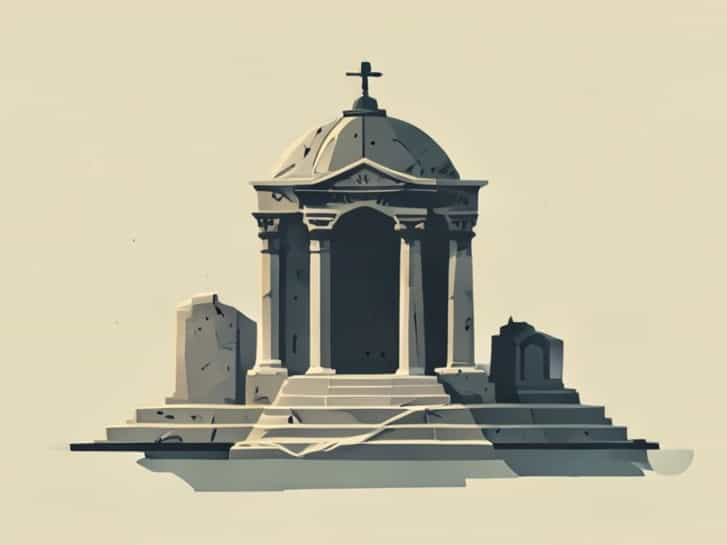
The phrase find the mausoleum for the man who gave feels like the beginning of a quiet mystery. It suggests a search not only for a physical place, but also for meaning, memory, and legacy. Who was the man who gave, and what did he give that made his resting place worth seeking? This question opens the door to reflection on generosity, remembrance, and how societies choose to honor those who shaped the lives of others through selfless acts.
The Meaning Behind The Man Who Gave
Before attempting to find a mausoleum, it is important to understand who the man who gave might be. The phrase does not necessarily refer to a single historical figure. Instead, it can represent a philanthropist, a leader, a benefactor, or even a symbolic figure known for generosity and sacrifice.
In many cultures, people who give their wealth, time, or energy for the benefit of others are remembered long after their deaths. Their mausoleums become places of reflection, gratitude, and historical curiosity.
Giving as a Defining Legacy
Giving can take many forms. Some individuals give money to build schools or hospitals. Others give ideas, leadership, or courage during difficult times. In all cases, what defines the man who gave is not power, but contribution.
Why Mausoleums Matter in Human History
Mausoleums are more than burial structures. They are symbols of remembrance, respect, and cultural values. Throughout history, societies have built mausoleums to honor individuals whose lives had lasting impact.
When people search for a mausoleum, they are often searching for a tangible connection to history. The structure becomes a bridge between the past and the present.
Mausoleums as Storytellers
The design, location, and inscriptions of a mausoleum often tell a story. They may reveal what the person valued, how they were viewed by others, and why they were remembered. For the man who gave, the mausoleum may reflect humility or gratitude rather than grandeur.
Finding the Mausoleum Through Historical Clues
To find the mausoleum for the man who gave, one must often begin with historical research. This involves examining records, biographies, and local histories that mention acts of generosity.
Libraries, archives, and oral traditions play an important role in preserving such information. In some cases, the mausoleum is well known. In others, it is hidden, forgotten, or modest.
Common Sources of Clues
- Historical documents and letters
- Local legends and oral history
- Religious or cultural records
- Old maps and cemetery registries
The Symbolic Journey of Searching
Finding the mausoleum is often as meaningful as the destination itself. The search encourages reflection on values like generosity, service, and humility. It asks the seeker to slow down and consider why some lives leave deeper marks than others.
This journey can be physical, involving travel to distant places, or intellectual, involving research and interpretation.
Examples of Men Who Gave in History
History offers many examples of individuals remembered for giving. Philanthropists, reformers, and visionaries across different cultures have left legacies rooted in generosity.
Some are widely known, while others are remembered only within their communities. Their mausoleums vary greatly in size and style.
Shared Characteristics
- A commitment to helping others
- Long-term impact beyond their lifetime
- Recognition through memory rather than fame
- Respect earned through action
When the Mausoleum Is Modest or Hidden
Not all mausoleums are grand monuments. In fact, many people who gave selflessly chose simple resting places. Their legacy lives more strongly in institutions, traditions, or changed lives than in stone structures.
In these cases, finding the mausoleum may require asking locals, caretakers, or historians who understand the deeper story.
Why Simplicity Matters
A modest mausoleum can reflect the values of the person it honors. Simplicity often aligns with humility, reinforcing the idea that giving was never about recognition.
The Emotional Impact of Discovery
Standing before the mausoleum of the man who gave can be a powerful experience. It brings abstract ideas like generosity and sacrifice into a physical space. Visitors often feel gratitude, reflection, and inspiration.
This emotional connection is one reason people continue to search for such places.
The Role of Memory and Storytelling
Even when a mausoleum is found, the story does not end there. Memory must be maintained through storytelling, education, and shared reflection. Without stories, even the most beautiful mausoleum can lose meaning.
The phrase find the mausoleum for the man who gave can also be understood as a call to preserve stories of kindness and generosity.
Ways Stories Are Preserved
- Family traditions and narratives
- Community commemorations
- Educational materials
- Cultural rituals
A Metaphorical Interpretation
On a deeper level, the mausoleum may not be a physical place at all. It may exist in the hearts of those who benefited from the man’s giving. His true monument could be a school, a healed community, or a tradition of helping others.
In this sense, finding the mausoleum becomes an inner journey of recognition and appreciation.
Why This Search Still Matters Today
In a fast-paced world, stories of generosity remind us of enduring human values. Searching for the mausoleum of the man who gave encourages reflection on what kind of legacy truly matters.
It challenges modern societies to honor contribution over fame and kindness over power.
To find the mausoleum for the man who gave is to search for more than stone and location. It is an exploration of memory, generosity, and meaning. Whether the mausoleum stands tall in a city or rests quietly in an overlooked place, its true significance lies in what the man gave to others. Through research, reflection, and storytelling, the legacy continues to live, reminding us that the greatest monuments are built not from marble, but from acts of giving that endure beyond a lifetime.