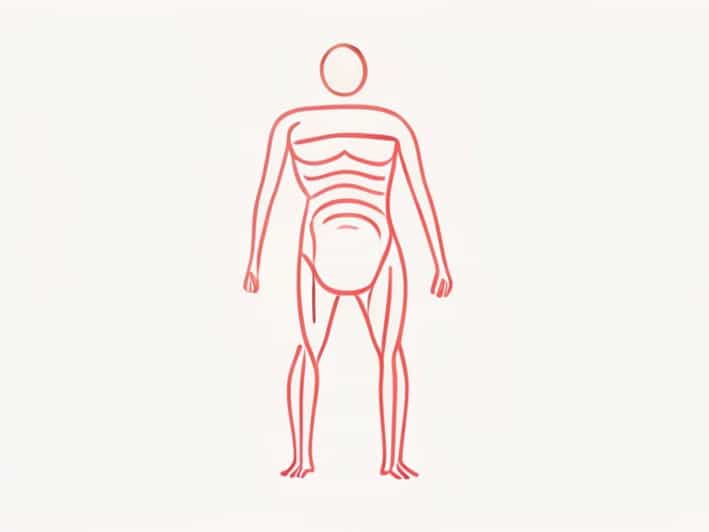
The human body contains many internal spaces that allow organs to move smoothly as the body breathes, digests food, and circulates blood. These spaces are known as serous body cavities, and they are essential for protecting organs and reducing friction. When people study anatomy, they often encounter the phrase forms the lining of serous body cavities, which refers to a specific type of tissue with a vital role. Understanding what forms the lining of serous body cavities helps explain how the body maintains efficiency, flexibility, and internal balance.
What Are Serous Body Cavities
Serous body cavities are closed spaces within the body that house and protect major internal organs. These cavities are not empty; instead, they contain a thin layer of fluid that allows organs to move against one another without causing damage.
The main serous cavities include the pleural cavity around the lungs, the pericardial cavity around the heart, and the peritoneal cavity in the abdomen. Each cavity is carefully structured to support the organs it contains.
The Tissue That Forms the Lining of Serous Body Cavities
The lining of serous body cavities is formed by a thin epithelial tissue called simple squamous epithelium, specifically known as mesothelium. This tissue is supported by a thin layer of connective tissue.
Mesothelium is uniquely suited for this role because it is smooth, flat, and efficient at secreting serous fluid.
Understanding Simple Squamous Epithelium
Simple squamous epithelium consists of a single layer of flat, scale-like cells. These cells are thin enough to allow rapid diffusion of substances and smooth enough to minimize friction.
This type of epithelium is found in several parts of the body, but its role in lining serous cavities is especially important.
Key Characteristics
- Single layer of flat cells
- Smooth surface
- Allows easy movement and diffusion
- Delicate but highly efficient
Mesothelium and Its Function
Mesothelium is the specific name for simple squamous epithelium when it forms the lining of serous body cavities. Its primary function is to produce serous fluid.
This fluid creates a lubricated surface that reduces friction between organs as they move.
Serous Membranes Explained
Serous membranes are thin sheets of tissue composed of mesothelium and connective tissue. They line the serous cavities and cover the organs within those cavities.
Each serous membrane has two layers a parietal layer and a visceral layer.
Parietal Layer
The parietal layer lines the inner wall of the body cavity. It remains relatively stationary and provides a smooth boundary.
Visceral Layer
The visceral layer covers the external surface of the organs. It moves with the organs during normal bodily functions.
Major Types of Serous Body Cavities
There are three primary serous cavities in the human body, each with its own specialized serous membrane.
Pleural Cavity
The pleural cavity surrounds the lungs. Its lining, called the pleura, allows the lungs to expand and contract smoothly during breathing.
Pericardial Cavity
The pericardial cavity encloses the heart. The pericardium reduces friction as the heart beats continuously throughout life.
Peritoneal Cavity
The peritoneal cavity contains abdominal organs such as the stomach, liver, and intestines. The peritoneum supports digestion and organ movement.
Why Friction Reduction Is Important
Without a smooth lining, organs would rub directly against surrounding tissues. This would cause irritation, inflammation, and damage over time.
The tissue that forms the lining of serous body cavities ensures that organs glide effortlessly during movement.
Serous Fluid and Its Role
Serous fluid is a clear, watery substance secreted by mesothelium. It fills the small space between the parietal and visceral layers.
This fluid acts as a lubricant and shock absorber, protecting organs from mechanical stress.
Development of Serous Membranes
During embryonic development, serous membranes form from mesodermal tissue. As organs develop and body cavities take shape, mesothelium differentiates to line these spaces.
This process ensures that organs are properly enclosed and supported from early development.
Comparison With Other Body Linings
Not all body cavities are lined by mesothelium. For example, the digestive tract is lined by mucous membranes, which have different functions.
Serous membranes are specialized for lubrication and protection rather than absorption or secretion of digestive enzymes.
Clinical Importance of the Serous Lining
The lining of serous body cavities plays a role in health and disease. When this lining becomes inflamed, conditions such as pleuritis, pericarditis, or peritonitis can occur.
These conditions often cause pain because the normally smooth surfaces become rough and irritated.
Mesothelium and Disease
Mesothelium can be affected by rare cancers such as mesothelioma. Although uncommon, this highlights the importance of this tissue beyond its everyday function.
Understanding mesothelium helps in diagnosing and managing such conditions.
Importance in Medical Education
The phrase forms the lining of serous body cavities frequently appears in biology and anatomy exams. Students are expected to recognize that this refers to simple squamous epithelium or mesothelium.
Clear understanding helps avoid confusion with other epithelial tissues.
Everyday Significance of Serous Cavities
Although most people are not aware of serous cavities, they rely on them constantly. Every breath, heartbeat, and digestive movement depends on friction-free organ motion.
The lining of serous body cavities makes these movements possible without discomfort.
Why Structure Matches Function
The thin, flat structure of mesothelium is perfectly matched to its role. It does not block movement or add bulk, yet it provides essential lubrication.
This balance between simplicity and efficiency is a hallmark of human anatomy.
Common Misunderstandings
A common misconception is that serous cavities are empty spaces. In reality, they are carefully maintained environments filled with fluid and lined by specialized tissue.
Another misunderstanding is confusing serous membranes with mucous membranes, which serve different purposes.
Summary of Key Points
- Serous body cavities protect internal organs
- The lining is formed by mesothelium
- Mesothelium is a type of simple squamous epithelium
- Serous fluid reduces friction and supports movement
What Forms the Lining of Serous Body Cavities
The structure that forms the lining of serous body cavities is simple squamous epithelium, specifically known as mesothelium. This tissue plays a quiet but essential role in everyday life by allowing organs to move smoothly and safely.
By understanding how serous membranes work and why they are necessary, we gain a deeper appreciation of the body’s design. The lining of serous body cavities may be thin and often overlooked, but it is vital to comfort, health, and survival.