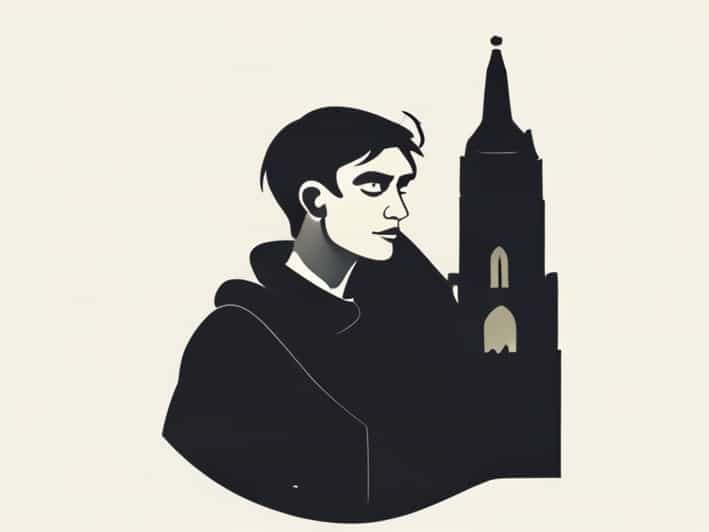
The character of Quasimodo has become almost synonymous with the title The Hunchback of Notre Dame, but understanding the origins and development of this character requires exploring the history of literature, adaptations, and cultural impact. Quasimodo, the bell-ringer of Notre Dame Cathedral in Paris, is a figure that has fascinated readers and audiences for centuries, embodying themes of isolation, physical deformity, and the human desire for acceptance and love. The question Is Quasimodo the Hunchback of Notre Dame? is both a literary and popular culture inquiry, linking Victor Hugo’s original novel with numerous adaptations in theater, film, and animation.
Origins of Quasimodo
Quasimodo first appeared in Victor Hugo’s 1831 novelNotre-Dame de Paris, which is commonly referred to in English asThe Hunchback of Notre Dame. Hugo’s novel presents Quasimodo as a deeply complex character, born with a severe hunchback and a disfigured appearance. Despite his physical challenges, he possesses a rich inner life, extraordinary strength, and profound loyalty to the people he cares for. In the novel, Quasimodo’s deformities contribute to his social isolation, and he finds solace in the cathedral itself, which becomes his home and refuge.
Character Description in the Novel
Victor Hugo’s Quasimodo is described in vivid detail as having a grotesque appearance, with a hunched back, a twisted face, and a deafness caused by prolonged exposure to the cathedral bells. Hugo emphasizes the contrast between Quasimodo’s outward appearance and his inner nobility, highlighting themes of compassion, love, and the societal tendency to judge based on looks. Quasimodo’s relationship with Esmeralda, a kind and beautiful Romani girl, forms the emotional core of the story, illustrating his capacity for deep, selfless love.
Quasimodo as the Hunchback of Notre Dame
The English title The Hunchback of Notre Dame has reinforced Quasimodo’s association with physical deformity and tragedy. While the term hunchback is a simplified descriptor of his appearance, it captures the essence of how society views him in Hugo’s narrative. The phrase has endured in popular culture, making Quasimodo an iconic figure representing misunderstood and marginalized individuals.
Popularity Through Adaptations
Quasimodo’s identity as the Hunchback of Notre Dame has been solidified through numerous adaptations. Stage plays, films, and television versions have often emphasized the visual aspects of his deformity while highlighting his emotional and moral depth. Notable adaptations include
- The 1923 silent film starring Lon Chaney, which emphasized the tragic and eerie aspects of Quasimodo’s character.
- The 1939 film adaptation featuring Charles Laughton, which brought Hugo’s character to a wider English-speaking audience.
- The 1996 Disney animated musical, which softened Quasimodo’s appearance and focused on themes of acceptance, courage, and social justice, introducing him to a new generation of viewers.
The Themes Behind Quasimodo’s Character
Understanding Quasimodo goes beyond his physical appearance. Hugo’s original novel uses Quasimodo to explore themes of social prejudice, human kindness, and the tension between outer appearances and inner virtue. The character challenges readers to consider the humanity within those society may overlook or reject. His isolation, his acts of heroism, and his devotion to Esmeralda make him more than just a hunchback-he is a symbol of resilience and moral strength.
Social Isolation and Compassion
Quasimodo’s deformity isolates him from society, yet it also allows him to observe human nature from a unique perspective. His compassion and loyalty are not hindered by his physical condition; instead, they shine through in his protection of Esmeralda and his care for the cathedral. This duality between physical grotesqueness and inner nobility is central to Hugo’s critique of superficial judgments and societal prejudice.
Love and Loyalty
One of the most enduring aspects of Quasimodo’s story is his capacity for love. His affection for Esmeralda is unselfish and heroic, representing a form of love that transcends conventional expectations. The Hunchback of Notre Dame, therefore, is not merely a tale of physical deformity but also a narrative about emotional depth, courage, and moral integrity.
Modern Interpretations and Cultural Impact
Quasimodo has remained a popular figure in literature and media for nearly two centuries. His character has been adapted to various contexts, sometimes emphasizing heroism, other times tragedy, and occasionally humor. These interpretations highlight different facets of Hugo’s original creation but consistently link him to the title of the Hunchback of Notre Dame.
Film and Animation
Modern audiences are most familiar with Quasimodo through films and animated adaptations. The Disney version, for instance, portrays him as endearing and relatable, reducing some of the darkness present in Hugo’s novel. In contrast, live-action adaptations often retain the tragic elements, emphasizing his isolation and the societal rejection he faces. These variations illustrate how the character can be reshaped while remaining identifiable as the Hunchback of Notre Dame.
Literary Significance
In literary studies, Quasimodo is analyzed as a representation of social marginalization, the complexity of human emotion, and the interplay between external appearance and internal virtue. Hugo’s novel uses the character to critique societal norms, advocate for empathy, and examine the consequences of prejudice. Scholars often explore the symbolic significance of the cathedral itself, portraying Quasimodo’s connection to Notre Dame as a reflection of sanctuary and enduring faith.
So, is Quasimodo the Hunchback of Notre Dame? The answer is yes, both in Victor Hugo’s original novel and in subsequent adaptations. While the term hunchback primarily describes his physical deformity, Quasimodo’s character encompasses far more than his appearance. He represents resilience, compassion, and the struggle for acceptance in a society that often judges by looks. Through novels, films, and animations, Quasimodo has become a timeless figure, embodying the themes of human dignity, love, and the tension between outer appearance and inner worth. The association between Quasimodo and the Hunchback of Notre Dame remains firmly rooted in both literary tradition and popular culture, making him one of the most recognizable and enduring characters in world literature.