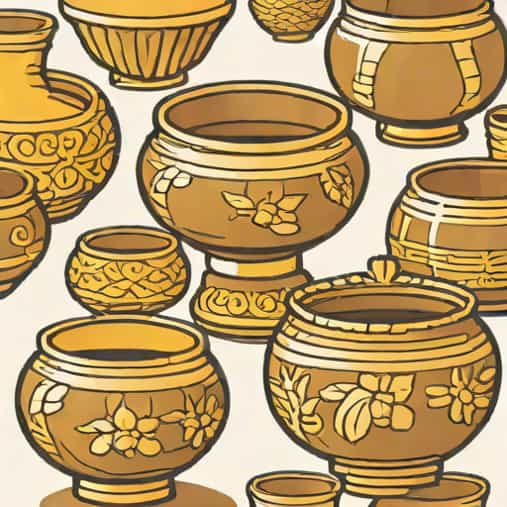
The Japanese art of mending pottery with gold, known as Kintsugi, is a centuries-old tradition that transforms broken ceramics into objects of beauty and meaning. Unlike conventional repair methods that hide damage, Kintsugi highlights the cracks and repairs with gold, silver, or platinum, creating a unique piece that celebrates imperfection. This practice is not only a technical craft but also a philosophy, reflecting ideas of resilience, acceptance, and the value of embracing flaws. Kintsugi has fascinated collectors, artists, and enthusiasts worldwide, offering both aesthetic pleasure and profound cultural insights.
Origins and History of Kintsugi
Kintsugi is believed to have originated in the late 15th century in Japan. The story goes that a shogun sent a damaged Chinese tea bowl back to China for repairs, and when it returned with unsightly metal staples, Japanese craftsmen sought a more artistic solution. They began using lacquer mixed with powdered gold to repair broken pottery, turning flaws into striking features. Over time, Kintsugi became associated with the Japanese tea ceremony, where the aesthetics of imperfection and natural beauty were highly valued. The technique has been passed down through generations, preserving both the craft and its philosophical underpinnings.
Philosophical Significance
Kintsugi is deeply connected to Japanese philosophies such as wabi-sabi, which emphasizes the beauty of impermanence and imperfection. Each repaired piece tells a story of resilience, showing that damage and repair are part of the object’s history rather than something to conceal. This approach encourages acceptance of life’s inevitable challenges and imperfections, teaching that what is broken can be transformed into something more beautiful and meaningful. The visible golden seams symbolize strength, endurance, and the passage of time, making each piece both an artwork and a narrative of survival.
The Kintsugi Technique
Kintsugi is a meticulous and multi-step process that requires patience, skill, and precision. The technique varies depending on the type of ceramic and the desired effect, but several fundamental steps are commonly followed.
Preparation
The first step in Kintsugi is to gather the broken pieces and clean them thoroughly. The edges of each fragment must be free of dust, dirt, and old adhesives to ensure a proper bond. The craftsman assesses the shape and fit of the pieces to determine the best way to join them, as the placement of cracks will influence the final aesthetic.
Adhesive and Gold Application
Traditionally, lacquer called urushi is used as the adhesive. The lacquer is applied to the edges of the broken pieces, which are then carefully aligned. Once the lacquer sets, powdered gold, silver, or platinum is applied to the seams, creating the characteristic golden lines. The amount and thickness of the metal powder can be adjusted to enhance the design, making each piece unique. Modern adaptations sometimes use epoxy resins and metallic powders to simplify the process while maintaining the visual effect.
Finishing
After the gold has been applied, the piece is polished and sometimes coated with additional layers of lacquer to protect the surface. The finished work is durable and functional, allowing the repaired pottery to be used in everyday life while retaining its artistic and symbolic value. The golden seams stand out against the original ceramic, transforming the breakage into a feature rather than a flaw.
Types of Kintsugi Repairs
Kintsugi is not limited to a single repair style. Different approaches can be used depending on the size and type of break, as well as the desired aesthetic outcome.
Crack Repair
Small cracks are filled with lacquer mixed with powdered metal, highlighting the fracture lines. This method is often used for minor damage and preserves the overall shape of the original pottery.
Piece Replacement
For larger breaks where a fragment is missing, Kintsugi may involve creating a replacement piece from lacquer mixed with a filler, then coating it with gold. This technique ensures the pottery remains functional while emphasizing the repair as a deliberate artistic element.
Staple Repair
While traditional staple repair predates Kintsugi, some contemporary artists combine metal staples with golden lacquer to create mixed-media designs. This approach blends old and new techniques, offering a modern interpretation of the craft.
Cultural Impact and Modern Relevance
Kintsugi has influenced art, design, and philosophy far beyond Japan. It is celebrated as a metaphor for healing and transformation, appearing in literature, visual arts, and even personal development teachings. Artists around the world have adopted the technique in ceramics, jewelry, and mixed media, adapting the principles of highlighting flaws and embracing imperfection. Kintsugi also resonates in contemporary society as a reminder of resilience and the beauty that emerges from life’s challenges.
Kintsugi in Contemporary Art
Modern artists and designers often use Kintsugi principles in innovative ways. Beyond repairing broken pottery, they apply gold lines to cracked surfaces in sculpture, furniture, and other art forms. This adaptation emphasizes the philosophy of embracing imperfection, encouraging audiences to reconsider their notions of value and beauty. The technique has inspired exhibitions and workshops, spreading awareness of Japanese aesthetics and philosophy globally.
Kintsugi as a Life Metaphor
Many people see Kintsugi as more than a craft; it is a metaphor for life. Just as broken pottery can be repaired and made more beautiful with gold, personal challenges and setbacks can be transformed into opportunities for growth and strength. The practice encourages mindfulness, patience, and acceptance, offering valuable lessons applicable beyond the world of art. This philosophical dimension is part of what makes Kintsugi enduringly relevant in both cultural and personal contexts.
Collecting and Preserving Kintsugi Pieces
Kintsugi pottery is highly valued by collectors and art enthusiasts. Each piece is unique, carrying the history of its breakage and repair. To preserve these items, it is important to handle them with care, avoid exposure to extreme temperatures, and clean them gently with soft cloths. Displaying Kintsugi works in homes or galleries allows viewers to appreciate both the craftsmanship and the philosophy behind the repair, celebrating imperfection as a mark of beauty.
Tips for Collectors
- Look for authentic Kintsugi pieces with high-quality lacquer and metal powder.
- Understand the history of the pottery to appreciate its cultural and artistic value.
- Display pieces where the golden repairs can be admired and the story of the object appreciated.
- Handle with care to avoid new damage and preserve the integrity of the repair.
The Japanese art of mending pottery with gold, Kintsugi, is a powerful combination of technical skill, aesthetic beauty, and philosophical depth. By highlighting cracks and repairs with precious metals, Kintsugi transforms broken objects into meaningful works of art that celebrate resilience, imperfection, and history. Its origins in Japanese culture, connection to the philosophy of wabi-sabi, and meticulous techniques have made it a timeless craft. Today, Kintsugi continues to inspire artists, collectors, and thinkers worldwide, reminding us that flaws can be embraced and transformed into sources of beauty and strength.