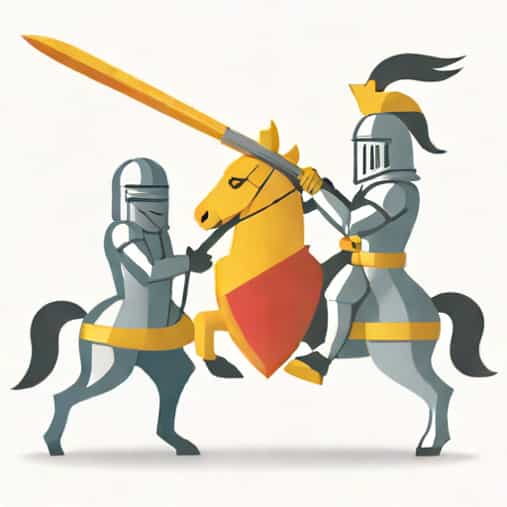
The phrase knights, kings, and sabres compete in this evokes an image of strategy, skill, and historical drama, drawing attention to a unique blend of competition and intellectual challenge. It immediately brings to mind games and contests that involve both planning and dexterity, combining the intrigue of historical warfare with the excitement of modern strategy. While at first it may sound like a battle on a medieval battlefield, the phrase more accurately describes a world where the mind and skill take center stage, challenging participants in ways that are both entertaining and mentally stimulating. Understanding what this competition entails provides insight into both its historical roots and its contemporary significance.
The Concept Behind Knights, Kings, and Sabres
At its core, the combination of knights, kings, and sabres refers to elements often found in strategic games and contests inspired by history and warfare. Knights and kings represent hierarchical structures, leadership, and strategic positioning, while sabres symbolize combat, skill, and precision. Together, these components create a competitive environment where participants must think ahead, anticipate their opponent’s moves, and execute their strategy with accuracy. This setup is common in board games, tactical exercises, and even some physical competitions that simulate historical battles.
Historical Influence
The imagery of knights, kings, and sabres is deeply rooted in European history, particularly in the medieval and early modern periods. Knights were skilled warriors who followed codes of chivalry, kings wielded authority and commanded armies, and sabres were the weapon of choice in cavalry combat. By incorporating these elements into a modern competitive format, participants can engage with history in a way that is interactive and educational, learning about tactics, leadership, and the art of combat while enjoying a structured form of play.
Applications in Modern Competitions
Today, the concept of knights, kings, and sabres appears in a variety of competitions, ranging from intellectual board games to physical simulations of historical duels. These contests test participants in areas such as strategy, reflexes, decision-making, and precision. Understanding the different formats helps explain why this phrase is both captivating and meaningful in modern recreational and competitive contexts.
Chess and Strategic Board Games
One of the most direct interpretations of knights, kings, and sabres compete in this is chess. In chess, players use pieces like knights and kings to outmaneuver their opponent, creating a battle of wits on a checkered board. Each piece has specific movements and strategic importance, requiring careful planning and anticipation. The knight moves in an L-shape, the king must be protected at all costs, and though there is no literal sabre, the metaphor of attack and defense is ever-present. Chess exemplifies the combination of historical imagery and intellectual challenge.
Fencing and Sabre Competitions
In a more literal sense, sabres appear in fencing competitions. Fencing is a sport that combines agility, precision, and tactical thinking. Competitors face off with sabres, aiming to score points through skillful strikes and parries. Knights in this context can be represented symbolically by the fencing participants themselves, embodying courage, discipline, and strategic prowess. The king could metaphorically represent the ultimate goal of victory or mastery over the opponent, emphasizing the competitive aspect of the sport.
Role-Playing and Live Action Games
Another context where knights, kings, and sabres compete is in role-playing games and live-action simulations. Participants often dress as historical or fantasy figures, reenacting battles or quests where strategy and skill determine success. These activities may involve mock combat with foam or simulated weapons, allowing participants to experience historical tactics and leadership roles firsthand. The sabre represents the combat element, knights embody skill and valor, and kings represent leadership or objectives within the game scenario.
Skills Developed Through Participation
Whether in board games, fencing, or live-action simulations, participating in competitions involving knights, kings, and sabres develops a range of valuable skills. These activities are not only entertaining but also educational, providing cognitive, social, and physical benefits.
Strategic Thinking and Problem Solving
Engaging with knights and kings in a strategic context enhances critical thinking and planning abilities. Players must anticipate opponent moves, consider multiple outcomes, and make decisions under pressure. This kind of mental exercise improves problem-solving skills and the ability to think several steps ahead, which is valuable in everyday life and professional settings.
Coordination and Reflexes
In physical competitions involving sabres, such as fencing or mock combat games, participants develop fine motor skills, hand-eye coordination, and quick reflexes. The ability to react swiftly while maintaining control is crucial, mirroring the agility and precision required by historical knights in battle.
Leadership and Teamwork
Many competitions involving these elements also emphasize leadership and collaboration. Role-playing games or team-based simulations require players to coordinate with others, assume leadership roles, and make decisions that affect group success. The king represents strategic oversight, while knights contribute specialized skills, illustrating the importance of both individual contribution and team dynamics.
Cultural and Educational Significance
The imagery of knights, kings, and sabres also carries cultural and educational value. By engaging with these elements, participants connect with history, literature, and traditions in a meaningful way. Competitions inspired by historical figures and weaponry offer insight into past societies, values, and conflicts. They provide a bridge between entertainment and education, making history accessible and engaging.
Historical Appreciation
Through reenactments, games, and sports, participants learn about the roles of knights and kings in history. They gain appreciation for the tactical challenges, social hierarchies, and martial skills of earlier eras. The sabre, as both a weapon and a symbol, reinforces understanding of historical combat techniques and the discipline required by warriors.
Fostering Imagination and Creativity
These competitions also stimulate imagination and creative thinking. Players must envision scenarios, develop strategies, and immerse themselves in historical or fantasy worlds. This fosters creativity, problem-solving, and storytelling skills, allowing participants to explore different perspectives and scenarios while having fun.
Modern Popularity
Competitions featuring knights, kings, and sabres continue to grow in popularity around the world. From local chess clubs and fencing academies to live-action role-playing events, these activities attract diverse participants. The combination of strategy, skill, and historical intrigue appeals to people of all ages, making it a timeless and engaging form of competition.
Global Communities and Events
- International chess tournaments bring together players of all skill levels.
- Fencing competitions at national and Olympic levels showcase precision and athleticism.
- Live-action role-playing communities organize events that recreate historical battles and fantasy scenarios.
- Educational programs use simulated medieval battles to teach history and strategy in schools.
Knights, kings, and sabres compete in this describes a fascinating intersection of strategy, skill, and historical imagination. From chess boards to fencing pistes and live-action games, these competitions challenge participants intellectually, physically, and socially. They develop strategic thinking, coordination, leadership, and creativity while providing entertainment and historical appreciation. By combining historical imagery with competitive spirit, these activities continue to captivate audiences worldwide, offering both fun and meaningful engagement with tradition and skill. Whether through a calculated chess move, a precise fencing strike, or a well-coordinated role-playing battle, the essence of knights, kings, and sabres remains alive in modern competitive experiences.