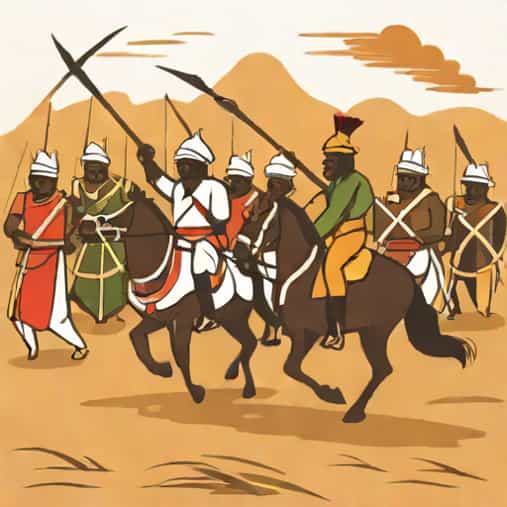
The story of land dispossession and the defeat of the Zulu is a powerful and emotional part of Southern African history. It reflects a period marked by conflict, colonial expansion, cultural confrontation, and the loss of sovereignty for one of the strongest African kingdoms. Understanding how the Zulu lost their land, authority, and independence helps explain many modern social and political realities in South Africa. It also allows people to recognize the resilience of the Zulu people who, despite oppression, retained identity, pride, and cultural strength.
Background to Zulu Power and Territory
Before land dispossession began, the Zulu Kingdom was a dominant political and military power. During the early nineteenth century, under leaders such as Shaka Zulu, the kingdom expanded through strong organization, discipline, and strategic warfare. The Zulu controlled productive lands, had structured leadership systems, and maintained sovereignty over their territory.
Their land was not only a resource; it represented heritage, economy, family lineage, and spiritual belonging. Agricultural fields, grazing areas, rivers, and homesteads formed the basis of daily life. Therefore, when colonial forces began targeting Zulu land, it was not merely a political takeover; it was a direct attack on identity, livelihood, and survival.
The Beginning of Conflict with Colonial Forces
The arrival and expansion of British and Boer interests in Southern Africa marked the beginning of deep challenges for the Zulu Kingdom. The British Empire wanted control of land, labor, and political authority in the region. The Zulu Kingdom stood as a strong independent force and therefore became a direct obstacle to colonial ambitions.
Reasons Behind Colonial Pressure
Several key motivations drove land dispossession and ultimately led to the defeat of the Zulu
- British desire to control territory in Southern Africa
- Need for agricultural land and settlement areas
- Strategic political control over local African kingdoms
- Efforts to weaken indigenous power structures
- Expansion of colonial administration and economic dominance
These pressures slowly built up to direct confrontation between the Zulu Kingdom and the British colonial government.
The Anglo-Zulu War and Defeat
One of the most defining moments in the history of Zulu defeat and land dispossession was the Anglo-Zulu War of 1879. Initially, the Zulu showed strong resistance and military capability. The Battle of Isandlwana is one of the most famous examples where Zulu forces inflicted a dramatic defeat on British troops. This victory demonstrated Zulu bravery, skill, and strategic strength.
However, despite early success, the British Empire had greater resources, advanced weaponry, and reinforcements. Over time, they intensified their campaigns, using superior firepower and sustained military pressure. Eventually, major defeats followed for the Zulu, and the kingdom’s independence was crushed.
The Fall of the Zulu Kingdom
After the war, the British dismantled the traditional Zulu political system. The king’s authority was weakened, territories were divided, and power structures were broken. This defeat marked a turning point where land dispossession accelerated, and colonial authorities began to exert full control.
Land Dispossession and Loss of Sovereignty
Following the defeat of the Zulu Kingdom, colonial authorities took control of vast areas of land that once belonged to Zulu communities. Land was redistributed to settlers, while Zulu families were pushed into smaller, less fertile areas. This process disrupted agriculture, reduced economic independence, and created long-term poverty and displacement.
The dispossession of land also meant loss of political autonomy. Zulu leaders were placed under colonial authority, and traditional systems of governance were weakened. Many people were forced into labor systems, working on farms, mines, and colonial industries under harsh conditions.
Social and Cultural Impact
The impact of losing land and experiencing defeat was not only physical but deeply emotional and cultural. Land held ancestral meaning, spiritual value, and represented continuity between generations. Losing it led to
- Breakdown of traditional community structures
- Disruption of family systems and homesteads
- Loss of economic security
- Psychological trauma and social instability
- Long-term inequality and marginalization
Despite this, Zulu culture, language, and traditions survived. People continued to practice their customs, honor their leaders, and maintain pride in their identity, demonstrating resilience in the face of hardship.
Colonial Control and Continued Struggles
Even after the military defeat, the story did not end. The Zulu people continued to challenge unfair treatment and resisted total control. Many leaders and communities protested land seizures, discriminatory laws, and forced labor policies. However, colonial administrations continued to strengthen their grip, shaping social and political systems in ways that would last generations.
The defeat of the Zulu also formed part of the broader pattern of colonial expansion across Africa. Similar processes of land dispossession, cultural suppression, and political domination affected many African societies. The Zulu story remains one of the clearest examples of how indigenous power could be undermined by colonial military strength and administrative control.
Historical Lessons and Modern Reflection
Today, discussions about land dispossession and the defeat of the Zulu remain highly relevant. They help explain ongoing debates about land ownership, historical justice, and social inequality in South Africa. Understanding this history reminds people that modern challenges did not appear suddenly. They are rooted in past events, wars, and policies that shaped the country.
The story is also important because it honors those who fought, defended their homeland, and tried to protect their people. It highlights courage, leadership, and community strength even in times of great adversity. At the same time, it encourages thoughtful reflection on colonial history and its continuing impact.
The Enduring Legacy of the Zulu
Even though the Zulu Kingdom was defeated and land dispossession took place, the Zulu people remain one of the most culturally strong and recognizable groups in Africa. Their traditions, history, language, and sense of identity continue to thrive. Modern Zulu communities celebrate their heritage while also participating in contemporary society.
The memory of land dispossession and defeat is not only a story of loss; it is also a story of survival, endurance, and cultural pride. It serves as a reminder that even when power structures fall, identity and heritage can remain strong.
Ultimately, the land dispossession and defeat of the Zulu is a chapter filled with complexity, struggle, and powerful historical lessons. By understanding what happened, why it happened, and how it affected generations, people gain greater appreciation of history, justice, and the importance of protecting cultural and human rights across the world.