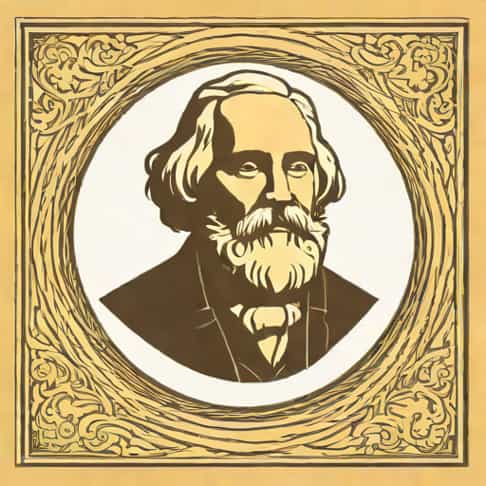
Loss and Gain by Henry Wadsworth Longfellow is a profound exploration of human experience, reflecting on the themes of ambition, moral choice, and the consequences of personal decisions. Longfellow, one of America’s most celebrated 19th-century poets, often infused his work with moral lessons and philosophical reflection, making his poetry both engaging and instructive. Loss and Gain stands out as a narrative that examines the complexities of life, the delicate balance between success and failure, and the impact of choices on one’s character. Its enduring relevance lies in its ability to address universal truths about human aspiration and the ethical dilemmas faced by individuals in their pursuit of success.
About Henry Wadsworth Longfellow
Henry Wadsworth Longfellow (1807-1882) was a key figure in American literature, known for his lyrical poetry, narrative poems, and translations. He became one of the most widely read and beloved poets of his time, celebrated for his ability to combine storytelling with moral and philosophical insights. Longfellow’s work often explored themes of love, loss, nature, and human struggle, reflecting both personal experience and broader societal values. Loss and Gain exemplifies his skill in creating narratives that are both intellectually engaging and emotionally resonant, appealing to a wide audience.
Longfellow’s Literary Style
Longfellow’s style is characterized by clarity, accessibility, and musicality. He employed regular meter, rhyme, and vivid imagery to make his work appealing to readers of all ages. In Loss and Gain, his narrative approach allows him to delve into philosophical and moral questions without alienating readers. By using relatable characters and situations, Longfellow ensures that the lessons embedded in the story resonate with audiences, offering both reflection and entertainment.
Overview of Loss and Gain
Loss and Gain tells the story of a young man navigating the challenges of ambition and ethical decision-making. The narrative explores how the protagonist confronts opportunities, temptations, and setbacks, and how these experiences shape his character and destiny. Longfellow presents the tension between personal gain and moral integrity, illustrating how choices can lead to either loss or enrichment, not only materially but also spiritually and emotionally. The story serves as a reminder that true success is measured not solely by wealth or status, but by the development of virtue and wisdom.
Key Themes
- Ambition and Personal Growth – The protagonist’s journey reflects the human desire for achievement and self-improvement.
- Moral Choices – The narrative emphasizes the importance of ethical decision-making and the consequences of compromising one’s principles.
- Success and Failure – Longfellow contrasts material gain with moral and spiritual fulfillment, highlighting the complexity of true success.
- Resilience and Learning – Challenges and setbacks are portrayed as opportunities for reflection, growth, and character development.
Analysis of Characters
The characters in Loss and Gain are carefully constructed to embody both the virtues and weaknesses common to human nature. The protagonist, often seen as a representation of youthful ambition and idealism, encounters situations that test his judgment and integrity. Supporting characters act as guides, obstacles, or mirrors, reflecting societal pressures, moral dilemmas, and the consequences of choices. Through these interactions, Longfellow demonstrates the intricate interplay between individual decisions and broader ethical considerations.
Protagonist’s Journey
The protagonist’s journey is both external and internal. Externally, he faces challenges in career, social standing, or personal relationships. Internally, he grapples with questions of conscience, duty, and the definition of true success. Longfellow’s portrayal of these struggles encourages readers to reflect on their own choices, emphasizing that growth often comes through experience, self-examination, and learning from mistakes.
Symbolism and Imagery
Longfellow uses symbolism and vivid imagery to reinforce the central themes of Loss and Gain. The concept of loss often represents missed opportunities, moral compromises, or ethical lapses, while gain symbolizes the rewards of integrity, wisdom, and personal growth. Natural imagery, common in Longfellow’s work, underscores the progression of time and the inevitability of change. By integrating these literary devices, Longfellow adds depth to the narrative, allowing readers to engage with the story on both an emotional and intellectual level.
Notable Literary Techniques
- Allegory – Characters and events often serve as symbolic representations of moral and philosophical ideas.
- Contrast – Longfellow juxtaposes success and failure, temptation and virtue, to highlight moral lessons.
- Imagery – Descriptions of landscapes, seasons, and daily life enrich the narrative and reflect the protagonist’s inner state.
- Dialogue – Conversations between characters reveal ethical conflicts and provide insights into human nature.
Impact and Reception
Loss and Gain has been recognized for its enduring relevance and the accessibility of its moral lessons. Readers appreciate Longfellow’s ability to weave ethical reflection into engaging narrative form, making complex philosophical ideas understandable and relatable. The story has been used in educational contexts to teach literary analysis, ethical reasoning, and the exploration of character development. Its themes continue to resonate because they address universal human experiences such as ambition, integrity, and the pursuit of a meaningful life.
Educational Value
- Teaches the consequences of ethical and unethical decisions.
- Encourages critical thinking about the definition of success and fulfillment.
- Provides a historical perspective on 19th-century societal expectations and moral standards.
- Enhances literary appreciation through analysis of symbolism, imagery, and narrative technique.
Relevance Today
Even in modern contexts, Loss and Gain remains relevant for its exploration of human values and decision-making. Contemporary readers can relate to the challenges of balancing ambition, personal ethics, and societal pressures. The story serves as a reminder that choices have lasting consequences, and that personal growth often comes from perseverance, self-reflection, and moral integrity. Longfellow’s narrative encourages individuals to consider not only what they gain materially but also what they may lose ethically or spiritually in the pursuit of success.
Lessons for Modern Readers
- Ambition should be balanced with ethical responsibility.
- True success encompasses moral integrity, personal growth, and emotional fulfillment.
- Challenges and setbacks provide opportunities for reflection and improvement.
- Decisions made with foresight and conscience lead to lasting rewards beyond material gain.
Loss and Gain by Henry Wadsworth Longfellow is a timeless narrative that offers insight into human ambition, morality, and personal development. Through the journey of the protagonist, readers are invited to consider the consequences of their choices, the importance of ethical conduct, and the broader meaning of success. Longfellow’s combination of accessible language, vivid imagery, and moral reflection ensures that the work remains both engaging and instructive. Its lessons continue to resonate with readers of all ages, making it a valuable contribution to literature and an enduring guide for understanding the balance between personal ambition and ethical responsibility.