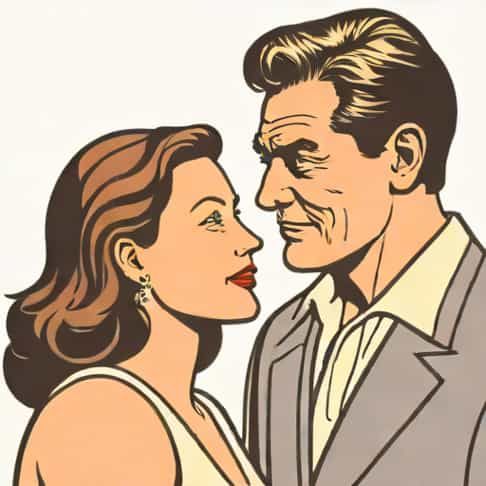
In the golden age of Hollywood cinema, few screen partnerships left a lasting impression quite like the pairing of Maureen O’Sullivan and Johnny Weissmuller. Together, they defined adventure, romance, and escapism for audiences during the 1930s and 1940s through their iconic roles in the Tarzan film series. Their on-screen chemistry helped shape popular culture’s image of the jungle, heroic masculinity, and courageous femininity. Even decades later, their collaboration remains a reference point when discussing classic Hollywood, star power, and the enduring appeal of early adventure films.
The Rise of Johnny Weissmuller
Johnny Weissmuller’s path to Hollywood fame was anything but ordinary. Before becoming a movie star, he was already an international celebrity as one of the greatest swimmers in history. Born in 1904, Weissmuller won five Olympic gold medals and set numerous world records. His athletic build, confidence, and physical grace made him a natural choice for action-oriented film roles at a time when Hollywood valued strong visual presence.
From Olympic Champion to Tarzan
Weissmuller’s transition to acting was driven largely by his casting as Tarzan, a character created by Edgar Rice Burroughs. His physicality, combined with his ability to perform demanding stunts, made his portrayal instantly convincing. Weissmuller’s Tarzan was not overly verbal, but his famous jungle yell and commanding presence communicated strength, freedom, and primal heroism. This interpretation would become the definitive version of Tarzan for generations of viewers.
Maureen O’Sullivan’s Journey to Stardom
Maureen O’Sullivan, born in Ireland in 1911, brought a very different background to Hollywood. She began acting at a young age and quickly gained attention for her expressive face, elegance, and emotional depth. Unlike Weissmuller, whose appeal was rooted in physical power, O’Sullivan’s strength on screen came from her ability to convey warmth, intelligence, and resilience.
Becoming Jane in the Tarzan Films
O’Sullivan was cast as Jane Parker, the love interest of Tarzan, a role that would define much of her early career. Her portrayal of Jane was groundbreaking for its time. Rather than being merely a passive damsel, Jane was curious, brave, and emotionally complex. O’Sullivan gave the character a sense of independence while still fitting within the romantic expectations of classic Hollywood storytelling.
The On-Screen Partnership
The pairing of Maureen O’Sullivan and Johnny Weissmuller first appeared in Tarzan the Ape Man in 1932. From their first scenes together, audiences responded strongly to their chemistry. Weissmuller’s silent, physical performance contrasted effectively with O’Sullivan’s expressive dialogue and emotional reactions, creating a balanced and compelling dynamic.
Why Their Chemistry Worked
The success of their partnership rested on contrast and complement. Weissmuller’s Tarzan represented nature, instinct, and physical strength, while O’Sullivan’s Jane symbolized civilization, curiosity, and emotional connection. Together, they embodied the tension between the wild and the refined, a theme that resonated deeply with audiences during a time of global uncertainty and economic hardship.
The Tarzan Film Series Impact
The Tarzan films starring Weissmuller and O’Sullivan were among the most popular adventure movies of their era. These films offered escapism during the Great Depression, transporting viewers to exotic jungles filled with danger, romance, and wonder. The success of the series cemented both actors as major stars under the MGM studio system.
Key Films Featuring the Duo
- Tarzan the Ape Man (1932)
- Tarzan and His Mate (1934)
- Tarzan Escapes (1936)
- Tarzan Finds a Son! (1939)
- Tarzan’s Secret Treasure (1941)
- Tarzan’s New York Adventure (1942)
Across these films, audiences watched Tarzan and Jane evolve from strangers to partners and parents, adding emotional continuity to the series.
Cultural Influence of Their Roles
Maureen O’Sullivan and Johnny Weissmuller played a major role in shaping how adventure stories were told in early cinema. Their performances influenced later portrayals of action heroes and strong female characters. The Tarzan-Jane relationship became a template for romantic partnerships in adventure films, balancing equality with traditional gender roles of the era.
Jane as a Progressive Character
For many viewers, Jane was a surprisingly modern character. O’Sullivan portrayed her as capable of adapting to jungle life while retaining her intelligence and independence. This helped redefine how women could be represented in adventure narratives, making Jane more than just a romantic accessory to the hero.
Behind the Scenes Realities
Despite their strong on-screen bond, Maureen O’Sullivan and Johnny Weissmuller did not share a romantic relationship in real life. Their professionalism allowed them to maintain a convincing partnership without personal involvement. Both actors later spoke respectfully of each other, acknowledging the importance of their collaboration to their careers.
Studio System Pressures
Like many actors of the era, both O’Sullivan and Weissmuller worked under strict studio contracts. MGM controlled their public images, roles, and schedules. While this system provided fame and financial security, it also limited creative freedom. O’Sullivan eventually grew frustrated with repetitive roles, while Weissmuller found it difficult to escape the shadow of Tarzan.
Life After Tarzan
After leaving the Tarzan series, Maureen O’Sullivan continued acting in a variety of roles, demonstrating her versatility in dramas and comedies. She later stepped away from Hollywood to focus on family life, eventually returning to acting in her later years. She also became known as the mother of actress Mia Farrow.
Weissmuller’s Later Career
Johnny Weissmuller continued acting in adventure films, most notably as Jungle Jim, a character similar to Tarzan. However, none of his later roles achieved the same cultural impact. His legacy remained closely tied to his jungle hero persona, which continued to define his public image.
Lasting Legacy in Film History
The collaboration between Maureen O’Sullivan and Johnny Weissmuller remains one of classic Hollywood’s most memorable partnerships. Their films are still studied and enjoyed for their influence on adventure cinema, character archetypes, and star-making performances. They represent an era when movie stars embodied mythic qualities larger than life.
Why They Are Still Remembered
Audiences continue to remember O’Sullivan and Weissmuller because their performances tapped into universal themes of love, survival, and identity. The Tarzan films offered simple yet powerful storytelling that transcended language and culture, making their appeal global and timeless.
Maureen O’Sullivan and Johnny Weissmuller together created a cinematic legacy that defined adventure filmmaking for decades. Their portrayals of Jane and Tarzan were more than entertainment; they became cultural symbols of romance, strength, and exploration. Through their contrasting yet complementary performances, they brought to life a world that continues to inspire nostalgia and admiration. Their partnership stands as a testament to the magic of classic Hollywood and the enduring power of unforgettable screen chemistry.