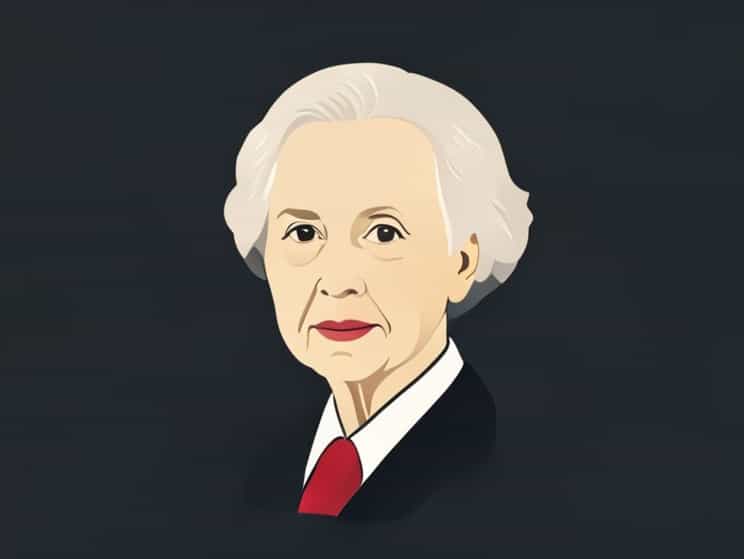
Corrie ten Boom was a remarkable figure whose life and legacy continue to inspire people around the world. She is widely remembered for her courage, faith, and humanitarian efforts during one of the darkest periods in modern history. To understand her story fully, it is essential to know her nationality, as it played a significant role in shaping her experiences and the historical context of her actions. Corrie ten Boom was of Dutch nationality, born and raised in the Netherlands, a country that became a center of resistance during World War II. Her Dutch heritage influenced her values, family life, and the community in which she carried out her extraordinary work.
Early Life of Corrie ten Boom
Corrie ten Boom was born on April 15, 1892, in Haarlem, Netherlands. She was the youngest child in a devoutly Christian family, part of a lineage known for their honesty, integrity, and commitment to helping others. Her father, Casper ten Boom, was a watchmaker, and the family home, known as the Ten Boom House, became a place of safety and refuge for many. Being Dutch meant that Corrie grew up in a society with a strong sense of community, resilience, and faith, which deeply influenced her values and character.
Family and Community Influence
Growing up in the Netherlands, Corrie ten Boom was surrounded by family and neighbors who valued compassion and service. Her upbringing in a Dutch household emphasized moral responsibility and care for others, traits that later defined her resistance activities during World War II. The Dutch culture of the early 20th century, with its emphasis on social cohesion and religious devotion, provided a foundation for her extraordinary acts of bravery and humanitarianism.
The Netherlands During World War II
Corrie ten Boom’s nationality is especially significant when considering her role during World War II. The Netherlands was occupied by Nazi Germany from 1940 to 1945, a period marked by strict control, persecution, and resistance efforts. Dutch citizens faced numerous challenges, including rationing, oppression, and the threat of deportation. As a Dutch citizen, Corrie ten Boom and her family were directly affected by the occupation, which fueled their determination to resist Nazi policies and protect those at risk.
Role of Dutch Resistance
The Dutch resistance movement was an organized effort to oppose Nazi rule, often involving acts of sabotage, intelligence gathering, and the protection of persecuted individuals. Corrie ten Boom, being Dutch, was part of this cultural and national context of resistance. She, along with her family, actively participated in hiding Jewish families and others threatened by Nazi persecution. Her actions were rooted in a combination of Dutch values, personal faith, and the societal expectation of solidarity with those in danger.
Corrie ten Boom’s Humanitarian Work
One of the most well-known aspects of Corrie ten Boom’s life was her role in saving lives during the Holocaust. She and her family created a secret room in their home, known as the hiding place, where Jewish people and other refugees could find safety from Nazi persecution. This work was made possible by her Dutch citizenship, which allowed her to navigate the local community, establish networks of trust, and leverage her knowledge of Dutch society and infrastructure to protect lives.
Challenges Faced by a Dutch Citizen
Being Dutch during the Nazi occupation came with both opportunities and risks. While Corrie ten Boom could use her nationality to move within her community and gain the trust of neighbors, she also faced extreme danger. Dutch citizens who resisted Nazi policies were often subject to arrest, imprisonment, and execution. Corrie’s understanding of Dutch laws, social customs, and geography helped her take calculated risks that ultimately saved many lives but also led to her and her family’s arrest in 1944.
Arrest and Imprisonment
In 1944, Corrie ten Boom and her family were betrayed and arrested by the Nazis. Their actions in hiding Jewish people were considered a severe crime under German occupation. Corrie was eventually sent to the Ravensbrück concentration camp in Germany, where she endured harsh conditions but survived. Her Dutch nationality played a role in both her treatment and her identity within the camp, as she remained a symbol of resistance from the Netherlands and maintained her cultural and moral identity despite the extreme adversity she faced.
Legacy of Survival
Corrie ten Boom’s survival is a testament to her resilience, faith, and the support of her fellow Dutch citizens. Her nationality, with its cultural emphasis on community, faith, and perseverance, provided her with inner strength and a sense of purpose. After the war, she returned to the Netherlands and dedicated her life to sharing her experiences, educating others about the Holocaust, and promoting forgiveness and reconciliation.
Post-War Life and Advocacy
After the war, Corrie ten Boom continued to be a prominent humanitarian and educator. She traveled extensively, speaking about her experiences in the Netherlands, the horrors of the concentration camps, and the importance of faith, courage, and forgiveness. Her work brought international attention to the Dutch resistance and highlighted the moral courage of ordinary citizens in extraordinary circumstances.
Influence of Dutch Culture on Her Teachings
Her Dutch background continued to influence her approach to teaching and advocacy. Corrie emphasized practical compassion, moral responsibility, and community support-values deeply rooted in Dutch society. She authored several books, including The Hiding Place, which remains a seminal work detailing her experiences and the actions of her fellow Dutch citizens during the Holocaust.
Recognition and Honors
Corrie ten Boom’s bravery and humanitarian efforts have been recognized worldwide. She has received numerous honors posthumously, highlighting the impact of her Dutch heritage on her ability to resist oppression and save lives. The Netherlands, in particular, regards her as a national hero, and her story continues to be taught in schools and commemorated in museums and historical accounts of World War II.
Global Impact
While her nationality was Dutch, Corrie ten Boom’s message transcended borders. Her life demonstrates how cultural values, national identity, and personal conviction can intersect to produce extraordinary acts of courage and humanity. People around the world, regardless of nationality, draw inspiration from her story, learning about the power of resistance, moral integrity, and compassion.
Corrie ten Boom was of Dutch nationality, and this aspect of her identity profoundly influenced her life, actions, and legacy. Being Dutch shaped her values, her understanding of community, and her ability to participate effectively in the resistance during Nazi occupation. Her nationality also framed her experiences of persecution, imprisonment, and survival, and later informed her advocacy work and teachings. Corrie ten Boom remains an enduring symbol of courage, faith, and humanitarianism, demonstrating how one individual’s national and cultural background can play a critical role in shaping extraordinary contributions to history.