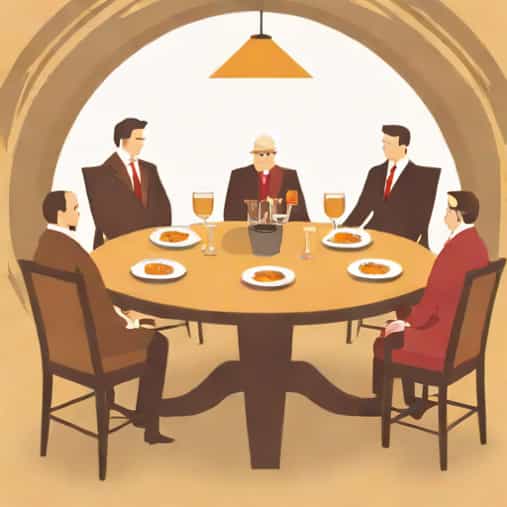
The Algonquin Round Table was not just a gathering of writers, critics, and actors-it was a cultural phenomenon that transformed New York City in the 1920s. Known for their sharp wit, clever repartee, and intellectual camaraderie, the members of this famed group created an atmosphere of humor, insight, and creative energy that still fascinates readers and historians today. Their daily lunches at the Algonquin Hotel became legendary, not only for the quality of the food but more importantly for the quality of the conversation. The badinage, or playful and witty exchange, among these literary and theatrical minds became the hallmark of the group, influencing American literature, journalism, and comedy for decades.
Origins of the Algonquin Round Table
The Algonquin Round Table formed in 1919, a period of post-World War I social and cultural change. The group initially gathered around journalist Alexander Woollcott, who encouraged a mix of writers, critics, and entertainers to meet for lunch at the Algonquin Hotel in Manhattan. What began as informal lunches quickly evolved into a daily tradition where members engaged in verbal duels, clever wordplay, and humorous critiques of society and each other. This environment fostered creativity, making the Round Table a hub for ideas and literary innovation.
Key Members and Their Roles
The Algonquin Round Table included a diverse array of influential figures, each contributing to the vibrancy of the group. Some of the most prominent members included
- Alexander WoollcottThe central figure and critic whose sharp wit helped set the tone for the group’s exchanges.
- Robert BenchleyA humorist and essayist known for his clever observations and satirical writing.
- Edna FerberA novelist and playwright whose contributions brought literary depth and storytelling prowess.
- Harpo MarxThe silent comedian who added physical humor and unpredictability to the group’s dynamics.
- George S. KaufmanA playwright and critic whose wit and theatrical insights enriched the conversations.
These individuals, along with many others, created a unique ecosystem of intellectual exchange where humor and creativity intertwined seamlessly.
The Nature of Their Badinage
Badinage, by definition, refers to playful, witty, and teasing conversation. At the Algonquin Round Table, this badinage was elevated to an art form. Members engaged in verbal sparring that combined humor, irony, and cultural commentary. The exchanges were often spontaneous, showcasing the participants’ intelligence, cultural knowledge, and improvisational skills. This form of social interaction was not just entertainment-it served as a method for testing ideas, sharpening literary skills, and cultivating a unique sense of community among the members.
Examples of Memorable Exchanges
The humor of the Algonquin Round Table often revolved around clever wordplay, satirical commentary, and inside jokes that reflected the cultural context of the 1920s. For instance, members would frequently tease each other about writing styles, theatrical performances, or current events. A single witty remark could spark laughter across the table, and clever retorts were celebrated. This continuous flow of verbal dexterity not only entertained but also inspired creativity in writing and performance.
Impact on American Literature and Journalism
The Algonquin Round Table’s influence extended far beyond their lunchroom antics. The wit and literary sophistication of their badinage had a direct impact on American literature, journalism, and comedy. Members such as Dorothy Parker and Robert Benchley contributed to magazines like The New Yorker, shaping the style and tone of American humor writing. Their work emphasized brevity, irony, and sharp observation, elements that became hallmarks of 20th-century American prose. The playful interactions of the Round Table also demonstrated how social engagement and intellectual discourse could fuel literary innovation.
Legacy in Humor and Critique
The legacy of the Algonquin Round Table can still be seen today in humor writing, satire, and social commentary. Their approach to witty banter, which combined intelligence with playfulness, influenced generations of writers, comedians, and critics. Many modern columns, essays, and comedic sketches owe a debt to the standards of cleverness and cultural insight established by the Round Table. The group’s commitment to intellectual engagement, even in a lighthearted context, showed that humor could coexist with serious artistic and literary pursuits.
The Social Dynamics of the Table
The Algonquin Round Table was more than just a meeting of minds-it was a social experiment in camaraderie, competition, and mutual respect. The members thrived on one another’s company, challenging each other to think creatively and respond quickly. At the same time, the environment fostered friendly rivalry, as individuals sought to outwit each other with clever quips and repartees. This delicate balance of support and competition helped strengthen relationships while maintaining a high level of intellectual engagement.
Rules and Rituals
While there were no formal rules, the group had unspoken rituals that shaped the interactions
- Daily lunch meetings at the Algonquin Hotel, providing a consistent venue for conversation.
- Encouragement of spontaneous wit and humor, rewarding cleverness over formal argument.
- Integration of current events, literature, and theater into discussions, ensuring relevance and intellectual stimulation.
- Supportive critique of each other’s work, allowing for growth and improvement in writing and performance.
These rituals contributed to the sustained creativity and influence of the Round Table over time.
The badinage of the Algonquin Round Table remains a fascinating chapter in American cultural history. Through their playful and intelligent exchanges, the members created an enduring model of intellectual and social interaction. Their wit, humor, and literary skill left an indelible mark on American literature, journalism, and comedy. More than a simple gathering of friends, the Round Table demonstrated the power of conversation, the joy of clever discourse, and the lasting impact of human creativity. Today, their legacy continues to inspire writers, humorists, and thinkers who seek to combine intelligence with entertainment in ways that are both timeless and culturally significant.