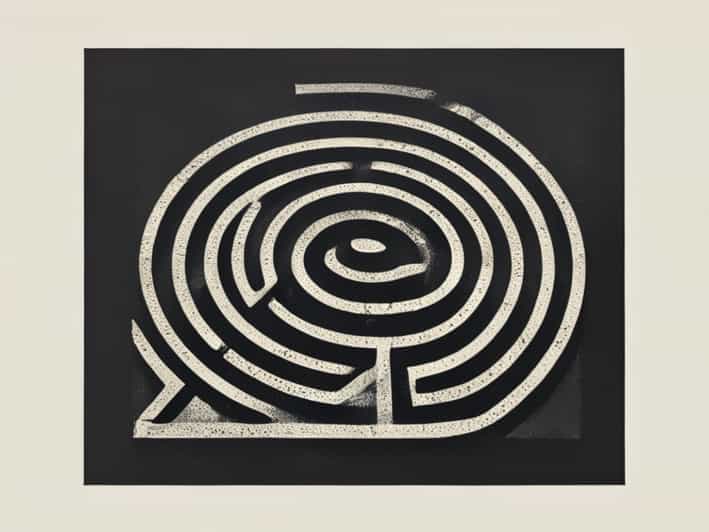
The Labyrinth of Solitude by Octavio Paz is a seminal work in Mexican literature and thought, offering profound insights into Mexican identity, culture, and history. First published in 1950, this essay collection explores the psychological and social dimensions of Mexican life, examining themes such as solitude, national identity, and cultural self-awareness. Octavio Paz, a Nobel Prize-winning poet and intellectual, combines literary analysis, historical context, and philosophical reflection to create a work that is both scholarly and deeply human. The book remains influential for readers seeking to understand Mexico’s unique cultural and historical dynamics, as well as the universal questions of individual and collective identity.
Background and Context
Octavio Paz wrote The Labyrinth of Solitude during a period of reflection on post-revolutionary Mexico. The Mexican Revolution, which ended in 1920, transformed the country politically, socially, and culturally. Paz sought to understand how historical events, colonial heritage, and social structures shaped Mexican identity. His work examines the tension between public and private life, individual isolation, and collective experience, emphasizing how the past continues to influence contemporary Mexican society. Paz’s perspective combines the literary, historical, and philosophical to offer a multi-dimensional understanding of Mexican culture.
The Author’s Perspective
Paz’s unique viewpoint as both a poet and a scholar allows him to explore Mexican identity with sensitivity and depth. He was deeply interested in human psychology and the ways in which culture shapes perception and behavior. In The Labyrinth of Solitude, Paz observes Mexican society through a lens that is at once empathetic and critical, acknowledging both the strengths and vulnerabilities of the culture. His writing style blends poetic language with analytical rigor, creating a text that is intellectually rich and emotionally resonant.
Major Themes
The work addresses several interrelated themes, all of which contribute to a deeper understanding of Mexican identity and the human condition more broadly.
Solitude
Solitude is perhaps the central theme of Paz’s work. He argues that Mexicans experience a unique form of solitude, a psychological state shaped by history, social structures, and cultural practices. This solitude manifests in feelings of isolation, a sense of being misunderstood, and a desire to conceal true emotions. Paz connects individual solitude with collective experience, suggesting that the social and historical context of Mexico has fostered a national sense of emotional withdrawal and introspection.
Identity and Cultural Heritage
Paz explores the formation of Mexican identity through the interplay of indigenous traditions, colonial influence, and modernity. He emphasizes the impact of Spanish colonization on Mexican culture, particularly the tension between indigenous roots and European imposition. Mexican identity, according to Paz, is complex, layered, and often contradictory, reflecting a blend of historical influences and contemporary realities. The struggle to understand and reconcile these elements forms a key aspect of the labyrinth of solitude.
Death and Ritual
The book also examines the cultural significance of death in Mexican society. Paz highlights rituals such as the Day of the Dead, viewing them as symbolic expressions of how Mexicans relate to mortality, community, and memory. These rituals reflect both acceptance and defiance, connecting the living with ancestors and creating a sense of continuity amid solitude. For Paz, understanding these cultural practices is essential to understanding Mexican emotional life and worldview.
Masks and Social Behavior
Paz discusses the concept of masks, both literal and metaphorical, as a way in which individuals navigate social expectations. In Mexican society, people often hide their true feelings and present controlled personas to the public. This masking behavior is linked to historical oppression, social hierarchy, and collective psychological patterns. By exploring the use of masks, Paz sheds light on the interplay between personal authenticity and social conformity, emphasizing how cultural norms influence human behavior.
Structure of the Work
The Labyrinth of Solitude is composed of essays that can be read individually or as a cohesive whole. Each essay addresses a specific aspect of Mexican life, such as solitude, death, or national holidays, while contributing to the overarching exploration of identity. Paz organizes his essays in a way that guides the reader through a psychological and cultural journey, gradually revealing the labyrinthine complexity of Mexican society.
Key Essays
- The Pachuco and Other Extremes – Examines Mexican-American identity and generational differences.
- Mexican Masks – Explores social behavior, psychological masking, and cultural expression.
- The Day of the Dead – Analyzes Mexican rituals surrounding death and communal memory.
- The Sons of La Malinche – Discusses historical and cultural legacies of colonization.
These essays, among others, illustrate Paz’s multi-faceted approach, combining historical analysis, cultural critique, and personal observation to reveal the intricacies of Mexican identity.
Impact and Influence
The Labyrinth of Solitude has had a profound influence on literature, cultural studies, and philosophy. It has become a foundational text for understanding Mexican culture, referenced by scholars, writers, and educators worldwide. The book’s exploration of identity, solitude, and cultural memory resonates beyond Mexico, offering insights applicable to other societies experiencing similar historical and psychological dynamics.
Literary Significance
Paz’s blend of poetic language and analytical precision has inspired generations of writers and thinkers. His ability to merge literary artistry with philosophical inquiry has set a benchmark for essays that explore culture and identity. The book continues to be studied not only for its content but also for its innovative style, which combines narrative, reflection, and scholarly observation.
Cultural and Social Relevance
The themes in The Labyrinth of Solitude remain relevant today, particularly in discussions of national identity, globalization, and cultural preservation. Paz’s insights into solitude, social masks, and collective memory provide tools for understanding how societies negotiate the tension between tradition and modernity. The work encourages reflection on the universal human experiences of isolation, belonging, and self-understanding.
Critical Reception
Upon publication, the book received significant attention for its depth, originality, and clarity. Scholars praised Paz for his nuanced understanding of Mexican culture and his ability to articulate complex psychological and social phenomena. Over time, it has maintained its status as a classic work in both literary and cultural studies, frequently cited in academic research and teaching.
Enduring Legacy
Octavio Paz’s exploration of Mexican identity in The Labyrinth of Solitude continues to influence discussions of cultural identity, literature, and philosophy. The book’s enduring legacy lies in its capacity to combine intellectual rigor with humanistic insight, providing readers with a lens through which to understand not only Mexico but broader questions of history, culture, and selfhood.
The Labyrinth of Solitude by Octavio Paz is a masterful exploration of identity, culture, and the human experience. Through his essays, Paz examines solitude, social behavior, historical legacy, and cultural rituals, offering readers a profound understanding of Mexican society and the universal challenges of self-definition. The book’s combination of literary eloquence, philosophical inquiry, and cultural analysis ensures its continued relevance and importance. For anyone seeking to understand Mexican identity, the psychological dimensions of culture, or the intricate relationship between history and society, The Labyrinth of Solitude provides a rich, insightful, and enduring guide through the complexities of human existence.