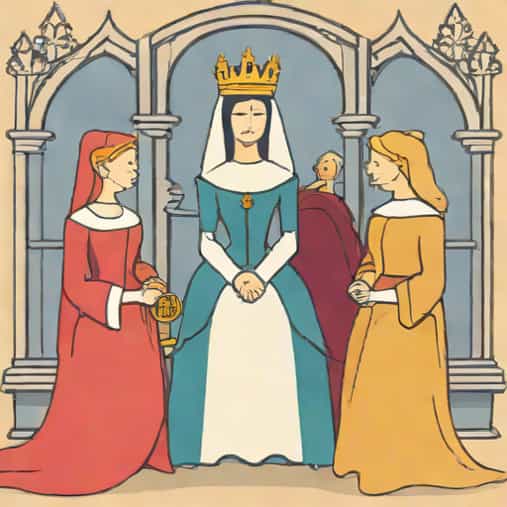
In medieval times, noblewomen held a unique and influential position within society. While they were subject to the rules and expectations of a patriarchal system, noblewomen were far from powerless. Their roles extended beyond household duties and domestic management to include political influence, estate administration, patronage of the arts, and participation in religious and social activities. Understanding what noblewomen did during the medieval period provides insight into the complexities of gender, power, and culture in European history.
Domestic Responsibilities and Household Management
One of the primary roles of noblewomen in medieval times was overseeing the household. Castles and large estates required careful management, and noblewomen were responsible for coordinating daily operations, supervising servants, and ensuring the smooth running of domestic affairs. This included organizing meals, maintaining inventories of food and supplies, and managing clothing and textiles for the family.
Supervising Servants
Noblewomen often acted as the head of household staff, overseeing cooks, maids, gardeners, and other servants. Their leadership ensured that the household functioned efficiently and that servants adhered to the expectations of etiquette and loyalty. This role required organizational skills, authority, and knowledge of domestic economics.
Education in Household Management
From a young age, girls of noble families were trained in household management, embroidery, cooking, and other skills necessary to maintain a noble household. This education was crucial in preparing them to take on responsibilities once they married or inherited estates.
Political Influence and Diplomacy
Beyond domestic duties, many noblewomen wielded significant political power, particularly through marriage alliances and family connections. Marriages were often arranged to strengthen political ties between families, regions, or kingdoms. Noblewomen could influence decisions by advising husbands, sons, or other male relatives.
Regents and Advisors
Some noblewomen acted as regents when their husbands or sons were absent or too young to rule. In these roles, they managed estates, collected taxes, and represented their families in political matters. Examples include Eleanor of Aquitaine and Blanche of Castile, who played pivotal roles in European politics during the medieval period.
Negotiating Alliances
Noblewomen were often instrumental in negotiating marriages, treaties, and alliances. Their personal relationships and social networks allowed them to act as intermediaries between families and political factions, demonstrating diplomacy skills that extended far beyond the household.
Patronage of the Arts and Culture
Noblewomen contributed to the cultural life of the medieval period through patronage of the arts, literature, and religious institutions. They commissioned manuscripts, supported poets and musicians, and sponsored the construction or decoration of churches and chapels.
Supporting Literature and Music
Many noblewomen cultivated literary and musical talents themselves and encouraged artistic expression within their courts. For example, troubadours and poets often performed for noblewomen who appreciated and financed their work. This patronage helped preserve cultural traditions and promoted creativity throughout Europe.
Religious Patronage
Noblewomen often supported monasteries, convents, and churches, donating money, land, or other resources. These contributions not only demonstrated piety but also strengthened their social standing and influence within their communities. Some even founded convents, where they could exercise spiritual and administrative leadership.
Education and Intellectual Pursuits
While education for women was limited compared to men, noblewomen often had access to tutors and learning resources. They studied reading, writing, languages, theology, and sometimes philosophy or history. Education allowed them to manage estates effectively, correspond diplomatically, and participate in intellectual discussions within their social circles.
Religious Education
Religious instruction was a central aspect of noblewomen’s education. Understanding scripture, prayers, and church practices enabled them to fulfill social and spiritual responsibilities, educate their children, and maintain moral authority within their households.
Literacy and Writing
Some noblewomen were literate and skilled in writing letters, poetry, or religious texts. Literacy allowed them to manage estates through written records, correspond with other noble families, and participate in cultural and political discourse.
Social and Community Roles
Noblewomen also played important roles in social and community life. They were expected to host gatherings, organize festivals, and provide hospitality to travelers, ambassadors, and other visitors. Social activities reinforced family prestige and political alliances.
Charitable Activities
Charity was another significant aspect of noblewomen’s responsibilities. They provided aid to the poor, sponsored hospitals, and supported widows and orphans. These actions enhanced their reputation and fulfilled religious obligations, demonstrating their influence within the wider community.
Mentorship and Education of Children
Noblewomen were responsible for the education and upbringing of their children, especially daughters. They taught skills appropriate for future noblewomen, including household management, etiquette, literacy, and sometimes basic political knowledge. This ensured the continuation of family influence and social standing across generations.
Leisure and Personal Interests
Despite their responsibilities, noblewomen in medieval times engaged in leisure activities that reflected their status and personal interests. Hobbies such as embroidery, sewing, music, reading, and games were common. These pursuits offered relaxation, creativity, and opportunities for social interaction with other noblewomen.
Travel and Pilgrimages
Some noblewomen traveled for leisure, education, or religious purposes. Pilgrimages to holy sites allowed them to demonstrate piety, connect with other influential individuals, and gain exposure to new cultures and ideas. Travel also provided opportunities for diplomatic and social networking.
Noblewomen in medieval times fulfilled a wide range of roles that went far beyond simple domestic duties. They managed households and estates, influenced politics and diplomacy, supported the arts and religious institutions, and participated in intellectual and social life. Their education, leadership, and patronage shaped medieval society, leaving a lasting impact on culture, politics, and history. By understanding what noblewomen did, we gain insight into the complexity of gender roles, the balance of power, and the social structures of the medieval world. These women, often working behind the scenes, demonstrated resilience, intelligence, and influence that were vital to the functioning and legacy of medieval society.