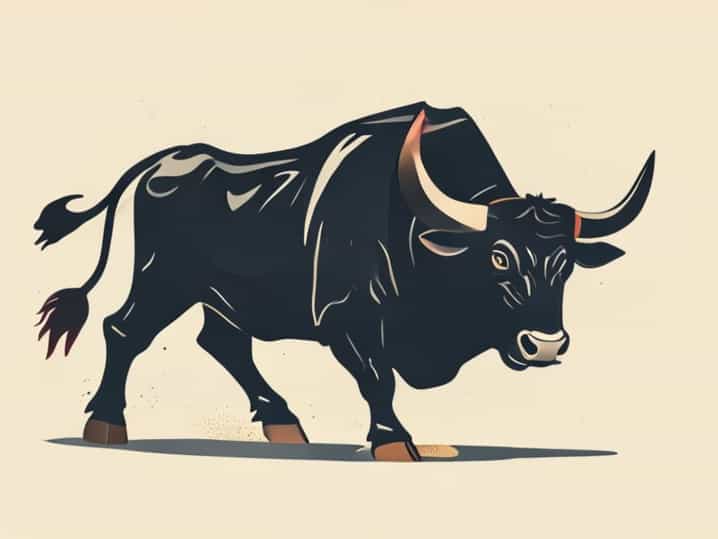
Bullfighting is a controversial tradition that has been practiced for centuries in countries such as Spain, Mexico, and Portugal. One of the most debated aspects of bullfighting is why the bull is killed at the end of the fight. To understand this, it is important to consider the cultural, historical, and procedural context of the sport. The killing of the bull is not merely an act of violence, but is deeply rooted in the tradition, symbolism, and rules of the bullfight, which have evolved over hundreds of years. While modern perspectives often question this practice, examining its purpose and meaning provides insight into why it remains a central part of bullfighting.
The Historical Origins of Bullfighting
Bullfighting traces its origins back to ancient rituals and spectacles in which humans demonstrated their skill and bravery by confronting bulls. In Spain, the modern form of bullfighting began in the 18th century, combining elements of horseback combat, swordsmanship, and ceremonial performance. From the earliest days, the fight was structured around a sequence of stages, culminating in the killing of the bull. Historically, this final act was considered a demonstration of human courage, precision, and mastery over the powerful animal.
The Ritual and Symbolism
In bullfighting, the act of killing the bull is deeply symbolic. The bull is seen as a noble and powerful adversary, and its death represents the culmination of the confrontation. For spectators and participants, the bull’s final moments highlight the matador’s skill, courage, and ability to perform under pressure. The ritual killing is therefore not just a practical conclusion, but a ceremonial and symbolic end to a contest between human and animal. This symbolism has been passed down through generations, making it a defining feature of the tradition.
The Structure of a Bullfight
A typical bullfight is divided into several stages, each with specific roles and objectives. The fight begins with the tercio de varas, where the bull’s strength is tested and assessed by the matador and assistants. This is followed by the tercio de banderillas, in which small barbed sticks are placed in the bull’s shoulders to further weaken it. The final stage, the tercio de muerte, involves the matador delivering the killing thrust. The bull is killed with a sword, ideally in a precise and quick manner, to demonstrate the matador’s skill and minimize prolonged suffering. The structured nature of the bullfight makes the killing of the bull a planned and integral part of the event.
Purpose of the Killing
The killing serves several purposes within the context of bullfighting
- It marks the official end of the bullfight and completes the performance.
- It showcases the matador’s expertise, strength, and precision.
- It follows long-standing tradition and ceremonial rules.
- It symbolizes the triumph of human skill over nature’s power.
Cultural Perspectives
The practice of killing the bull is supported by many who view bullfighting as a cultural and artistic tradition rather than purely a sport. In Spain, bullfighting is often described as a combination of ritual, theater, and competition. The death of the bull is considered a necessary element of the drama, providing closure and emotional intensity for spectators. Advocates argue that the bull lives a protected life until the fight, and that the confrontation honors its strength and nobility, making the killing a respectful acknowledgment of its role in the spectacle.
Animal Welfare Considerations
Critics of bullfighting focus on the ethical implications of killing the bull. Animal rights organizations argue that the act causes unnecessary suffering, and modern laws in some regions reflect growing concern for animal welfare. While the traditional goal is to perform a quick and precise kill, injuries sustained during earlier stages of the fight can cause prolonged pain. These concerns have led to debates and, in some cases, legal restrictions on bullfighting or modifications that prevent the killing of the bull, especially for younger or less experienced animals.
Economic and Ritual Implications
Bullfighting also has economic and social dimensions that reinforce the practice of killing the bull. Bulls used in professional bullfights are carefully bred, fed, and maintained, representing a significant investment. The final kill ensures that the animal serves its intended purpose within the performance. Additionally, meat from the bull may be used for human consumption or sold, reflecting a practical consideration in addition to ceremonial aspects. These economic and ritual factors have historically reinforced the continuation of the tradition.
Alternatives and Modern Adaptations
In response to ethical concerns, some regions have developed alternatives to the traditional bullfight. Non-lethal forms, where bulls are fought but not killed, aim to preserve cultural practices while reducing animal suffering. These adaptations attempt to maintain the symbolic and performative aspects of the bullfight, while addressing contemporary ethical standards. Nevertheless, in traditional bullfighting, the killing remains central to the ritual, highlighting the tension between modern values and historical customs.
Psychological and Symbolic Dimensions
The killing of the bull also carries psychological and symbolic meaning for both the matador and the audience. For the matador, delivering the final thrust represents mastery over fear, skill, and precision. For spectators, witnessing the conclusion provides closure and emotional resolution to the drama of the fight. The act can also symbolize broader human themes, such as life and death, courage, and confrontation with nature. These layers of meaning explain why the killing is deeply embedded in the tradition and is not viewed merely as a violent act.
Controversy and Debate
The practice remains highly controversial. Supporters emphasize culture, skill, and tradition, while opponents highlight ethics, cruelty, and animal rights. The debate often centers on whether the ritual killing is essential to the art of bullfighting or whether it can be adapted to modern ethical standards. In regions where bullfighting continues legally, the killing of the bull remains an important aspect of the event, reflecting both historical tradition and cultural identity.
The bull is killed after a bullfight for historical, cultural, and ritualistic reasons. The killing serves as the ceremonial conclusion of the fight, showcasing the matador’s skill and providing symbolic closure to the confrontation. While modern perspectives question the ethics of the practice, understanding its historical roots and cultural significance helps explain why it remains central to traditional bullfighting. The act of killing is tied to tradition, symbolism, and performance, making it an integral part of the bullfight even as society continues to debate the morality and future of this practice. In essence, the killing of the bull is a ritualized act that combines human skill, cultural heritage, and symbolic meaning, which has endured for centuries despite ongoing controversy.