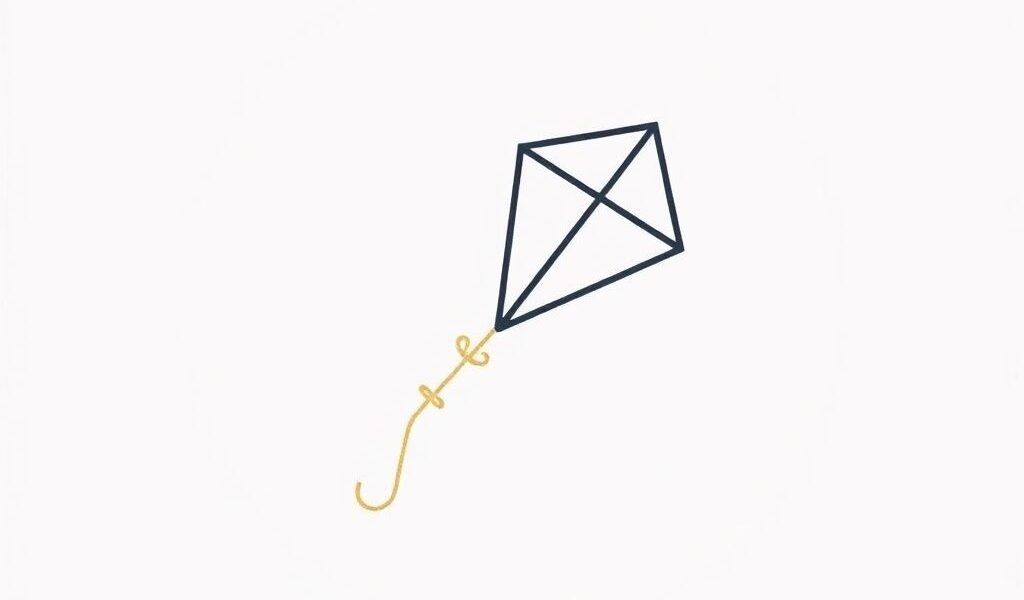
Flying a kite is a timeless activity that brings joy to people of all ages. Making your own kite adds a special sense of accomplishment and allows for creativity in design, materials, and decoration. Whether you’re planning a weekend family project or looking for a school-friendly craft, building a kite can be both fun and educational. With just a few simple materials and basic instructions, you can create a kite that soars through the air with ease and style. The process involves more than just assembly understanding structure, balance, and aerodynamics also plays an important role in kite-making success.
Choosing the Right Materials
Lightweight and Durable Supplies
To ensure your kite flies well, the materials you choose should be both lightweight and strong. Here’s a basic list of what you’ll need:
- Sticks: Bamboo skewers, wooden dowels, or even straight twigs. These will serve as the kite’s frame.
- Paper or Plastic: Use materials like tissue paper, newspaper, trash bags, or lightweight fabric for the sail.
- String: A light cotton string or kite twine for the flying line and frame construction.
- Glue or Tape: To secure the frame and edges of the kite’s sail.
- Scissors: For cutting paper and string.
- Ruler and Pencil: For accurate measurements and markings.
Optional Decorative Elements
If you want to add flair to your kite, consider adding markers, stickers, or lightweight ribbons. However, avoid anything too heavy that might affect flight.
Basic Diamond Kite Design
Step-by-Step Construction
One of the easiest and most traditional kite designs is the diamond shape. Follow these steps to create a functional and beautiful kite:
Step 1: Build the Frame
- Cut two sticks one should be longer (vertical spine) and the other shorter (horizontal crossbar).
- Lay them in a cross shape with the shorter stick about one-third down from the top of the longer stick.
- Secure the sticks together tightly using string or glue at the intersection.
Step 2: Create the Outline
- Use a long piece of string to outline the frame by wrapping it around each end of the sticks to form a diamond.
- Tie the ends securely and make sure the string is taut.
Step 3: Cut and Attach the Sail
- Lay the frame over your chosen sail material.
- Cut the sail material about 1 inch larger than the diamond outline.
- Fold the excess over the string frame and glue or tape it down to secure the sail.
Step 4: Attach the Bridle and Flying Line
- Make two small holes one at the top and one at the bottom of the vertical stick.
- Tie a string between these two points to form the bridle.
- Attach your main flying line to the center of the bridle. This will help balance the kite in the air.
Step 5: Add the Tail
- Cut a strip of light fabric or plastic about 3 to 6 feet long.
- Tie it to the bottom of the kite. This tail provides stability and helps prevent spinning.
Troubleshooting and Adjustments
Improving Flight Performance
If your kite doesn’t fly well at first, don’t worry. Small adjustments often fix common problems. Here are some things to check:
- Kite doesn’t launch: You may need more wind or a lighter material.
- Kite spins uncontrollably: Add or adjust the tail for better stability.
- Kite dives downward: Try adjusting the angle of the bridle knot or add more weight to the tail.
Flying Your Kite
Find the Right Location
Choose a wide-open area such as a park, beach, or field, free from trees, power lines, and buildings. Wind speed should be between 5 and 20 miles per hour for most small kites.
Safety Tips
- Never fly kites during storms or near electrical wires.
- Keep a safe distance from other kite flyers to avoid tangling lines.
- Use gloves if flying with strong string to protect your hands from burns or cuts.
Other Kite Variations
Box Kites
Box kites are 3-dimensional and perform well in stronger winds. They are more complex to build but offer superior lift and stability. You’ll need additional sticks and precise measurements.
Delta Kites
Delta kites have a triangular shape and are ideal for light to medium winds. Their structure is easier to assemble than box kites but can be more challenging than diamond kites for beginners.
Parafoil Kites
These are soft kites with no rigid frame, making them easy to transport. They require advanced sewing or precise cutting of fabric, which may not be ideal for first-timers.
Educational Value of Kite Making
Science and Engineering Skills
Making a kite introduces concepts like lift, drag, and aerodynamics. It’s a hands-on way to explore physics, weather, and engineering in a practical and engaging format. Many teachers use kite making as a STEM project in classrooms to foster creativity and critical thinking.
Creativity and Art
Decorating your kite allows for personal expression. From bold geometric patterns to character themes, your kite can reflect your personality. Using safe paints, colored paper, and natural dyes can enhance both beauty and uniqueness.
Learning how to make a kite is more than just crafting a flying toy it’s an opportunity to engage with design, science, and creativity. From the satisfaction of building something by hand to the thrill of watching it soar in the sky, kite making is a rewarding activity that connects generations and cultures. Whether you’re a beginner working with basic materials or an experienced crafter exploring new designs, the process is always full of fun and discovery. Take your time, enjoy the wind, and fly your homemade kite with pride.