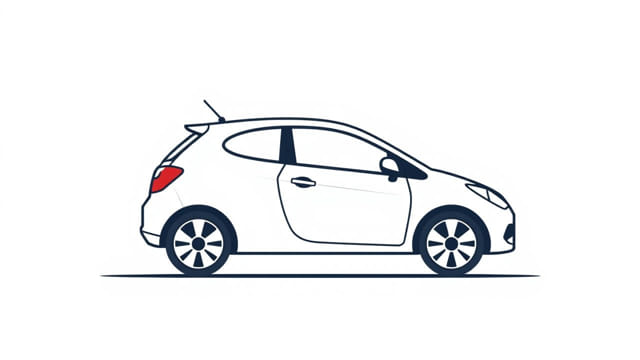
In the world of automotive performance, not every car that delivers thrills comes with a six-figure price tag or a supercar badge. Some of the most exciting vehicles to drive are far more practical and affordable, yet offer a remarkable mix of speed, agility, and everyday usability. This is where the term ‘hot hatch’ comes into play. A hot hatch is not just a small car; it is a compact vehicle with a hatchback body style, upgraded engine performance, sporty design, and sharp handling. These cars are designed to offer a fun driving experience while still being suitable for daily use, grocery runs, or even road trips.
Definition of a Hot Hatch
The phrase hot hatch is short for hot hatchback. A hatchback is a car design where the rear door swings upward, giving access to a shared space for passengers and cargo. What makes a hatchback ‘hot’ is the inclusion of performance enhancements, usually involving a more powerful engine, stiffer suspension, aggressive styling cues, and upgraded brakes or tires. These enhancements turn an ordinary hatchback into a performance-oriented machine without sacrificing the practicality that defines this body type.
Key Characteristics of a Hot Hatch
While not every sporty hatchback qualifies as a hot hatch, several traits are commonly found in these vehicles:
- Enhanced Engine: Turbocharged engines are common, offering more horsepower and torque than standard models.
- Sport-Tuned Suspension: Stiffer suspensions improve handling and cornering capabilities.
- Manual or Dual-Clutch Gearboxes: Many hot hatches come with manual transmissions or fast-shifting automatic options.
- Distinct Styling: Spoilers, body kits, larger wheels, and aggressive bumpers give them a sporty appearance.
- Upgraded Interiors: Bucket seats, sport steering wheels, and special trim elements enhance the interior experience.
The History of Hot Hatches
The origin of the hot hatch can be traced back to Europe in the late 1970s and early 1980s. One of the earliest and most iconic hot hatches was the Volkswagen Golf GTI, launched in 1976. It combined practicality with genuine driving pleasure, a formula that soon became popular among car enthusiasts.
As the concept grew, other automakers entered the market with their own versions. The Peugeot 205 GTi, Ford Escort XR3i, and Renault 5 Turbo are just a few examples that helped define the genre. Over time, Japanese manufacturers like Honda and Toyota joined the competition, expanding the popularity of hot hatches globally.
Why Hot Hatches Gained Popularity
Hot hatches became beloved for a number of reasons:
- They offered sports car performance without the high cost.
- Compact size made them suitable for urban driving.
- Fuel efficiency was typically better than larger performance cars.
- Practical interiors allowed for both cargo and passengers.
This blend of versatility and excitement made hot hatches a favorite for young drivers, tuners, and anyone looking for a spirited driving experience on a reasonable budget.
Modern Examples of Hot Hatches
Today’s hot hatches are more refined and technologically advanced than ever. Modern safety features, infotainment systems, and build quality have raised the bar while still preserving the core excitement that defines the category.
Notable Hot Hatch Models
- Volkswagen Golf GTI: Often credited with starting the trend, it remains a benchmark for the class.
- Honda Civic Type R: Known for its powerful turbocharged engine and sharp handling.
- Ford Focus ST and RS: Offering high horsepower with the everyday practicality of a compact car.
- Hyundai i30 N: A newer competitor that has impressed enthusiasts with its dynamics and value.
- Toyota GR Yaris: A rally-bred performance hatchback with all-wheel drive and stunning acceleration.
These models cater to different preferences, whether it’s daily driving comfort or track-ready excitement.
Performance Without Compromise
One of the main appeals of a hot hatch is the ability to enjoy high performance without giving up daily functionality. Unlike traditional sports cars, hot hatches usually have four doors, usable rear seats, and enough trunk space for groceries or luggage.
They are ideal for people who want one car that can do it all commute to work during the week, carry gear on weekends, and still carve up a twisty backroad with confidence. This versatility is what sets hot hatches apart in the world of performance vehicles.
Front-Wheel Drive vs All-Wheel Drive
Most hot hatches are front-wheel-drive, which keeps weight and costs down while still offering great handling. However, some newer models, like the Mercedes-AMG A45 and Audi RS3 Sportback, include all-wheel drive for improved traction and performance in all weather conditions. This choice depends on driver preference and the intended use of the vehicle.
Hot Hatch Culture and Community
Beyond the cars themselves, hot hatches have sparked a vibrant enthusiast culture. Car clubs, online forums, and local meetups provide a community for fans to share knowledge, modifications, and driving experiences. Many hot hatch owners enjoy tuning their cars, whether through simple bolt-on parts or more complex engine upgrades.
The accessibility of these cars makes them popular among younger drivers and DIY mechanics. Modifying a hot hatch is often more affordable than working on higher-end sports cars, and the aftermarket support is typically very strong.
Motorsport Influence
Some hot hatches have roots in motorsport, particularly rally racing. Manufacturers like Ford and Toyota have used their rally heritage to develop road-going versions of their race cars. This connection adds to the appeal, as drivers feel like they are piloting a car born from competition.
Buying a Hot Hatch: What to Consider
If you’re in the market for a hot hatch, there are a few factors to keep in mind:
- Performance vs Comfort: Some models are more hardcore than others. Choose one that matches your driving style and needs.
- Transmission: Manual gearboxes offer a more engaging experience, while dual-clutch automatics are faster and easier in traffic.
- Fuel Economy: Hot hatches are more efficient than traditional sports cars but still consume more fuel than standard compacts.
- Insurance and Maintenance: Performance models can have higher insurance costs and may require premium parts.
The Future of Hot Hatches
As the auto industry shifts toward electrification, the future of hot hatches is also evolving. Manufacturers are beginning to introduce hybrid and electric performance hatchbacks. Models like the Cupra Born and upcoming electric versions of the Mini Cooper and Volkswagen Golf aim to deliver the same excitement with zero emissions.
While some purists may miss the sound and feel of a turbocharged engine, electric hot hatches promise instant torque, lower running costs, and a new kind of performance experience.
A hot hatch is more than just a fast compact car it’s a symbol of smart, accessible performance. It offers a thrilling driving experience without compromising on practicality, making it one of the most versatile vehicle types available. With a strong legacy and a future that embraces new technologies, hot hatches continue to attract a loyal and enthusiastic fan base. Whether you’re a first-time car buyer or a seasoned enthusiast, the appeal of a hot hatch is hard to ignore.