Understanding how to spell a word correctly can make a big difference in communication, especially when it comes to words that are not used in everyday speech. One such word is cower. Although it may not be as commonly used as words like run or see, it carries a powerful emotional weight and often appears in literature, storytelling, and media. To spell cower correctly and use it in the right context, it’s important to understand both its structure and meaning. This topic explores everything you need to know about how you spell cower, from pronunciation and grammar rules to usage examples and synonyms.
Definition of Cower
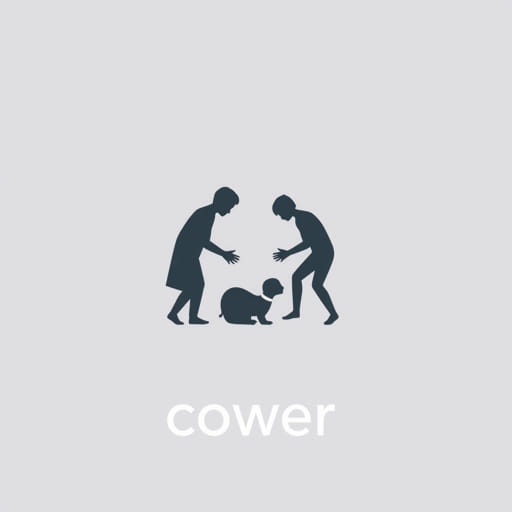
The word cower is a verb that means to crouch down or shrink away in fear, submission, or shame. When someone cowers, they are typically trying to make themselves smaller or less visible due to a perceived threat or intense discomfort. This word evokes strong visual imagery and is often used to describe characters in fearful or traumatic situations.
Examples of Usage
- The child cowered behind the sofa during the thunderstorm.
- She cowered in fear as the angry dog barked loudly.
- They cowered in silence, hoping the intruders would pass by unnoticed.
In each example, the subject is showing fear by withdrawing physically. This consistent meaning makes cower an expressive word in descriptive writing.
Correct Spelling and Pronunciation
The correct spelling of the word isc-o-w-e-r. It consists of five letters and is pronounced as/ˈkaʊər/in phonetic English. The first syllable cow rhymes with now, and the ending -er is pronounced like the ending in power.
Common Misspellings
Some of the common misspellings of the word cower include:
- cowar
- cowwer
- coure
- kowar
These variations may arise due to phonetic confusion or unfamiliarity with the word. However, the correct and standard form is always cower.
Grammar and Sentence Structure
Cower is a regular verb, which means that it follows standard conjugation rules in English. Here is how it appears in different tenses:
- Base form: cower
- Past simple: cowered
- Past participle: cowered
- Present participle: cowering
- Third person singular: cowers
Examples in Different Tenses
- Present: I cower every time I hear a loud bang.
- Past: He cowered when the boss raised his voice.
- Future: They will cower if the storm worsens.
- Present continuous: She is cowering in the corner of the room.
Knowing how to spell and conjugate cower properly ensures accurate and clear writing.
Origins and Etymology
The word cower comes from Middle English couren, which is thought to be of Scandinavian origin. It may be related to the Old Norse word kúra, meaning to lie in wait or to crouch. Over time, the meaning evolved to focus more on shrinking in fear rather than simply crouching. This historical context helps explain the emotional depth that the word carries today.
Synonyms and Related Words
If you’re looking for other words that carry a similar meaning to cower, consider the following synonyms:
- Cringe
- Shrink
- Flinch
- Recoil
- Grovel
While these words share similarities with cower, each has its own nuance. For instance, flinch often refers to a quick reaction to pain or surprise, while grovel implies excessive submission or begging. Cower specifically involves fear and a physical withdrawal.
When to Use the Word Cower
Cower is typically used in formal writing, descriptive prose, or dramatic dialogue. It’s ideal for painting vivid scenes where a character reacts to danger or authority. Writers, journalists, and poets use it to emphasize emotional intensity or vulnerability.
Appropriate Contexts for Use
- Describing reactions to threats
- Creating tension in fictional narratives
- Depicting emotional trauma or fear
For instance, a novel might describe a soldier cowering during an air raid, or a reporter might use the term to depict refugees hiding from conflict.
Understanding the Emotional Impact
One of the reasons cower is such a powerful word is because it taps into universal human emotions. Almost everyone has experienced fear intense enough to prompt a physical reaction. Using cower captures that raw vulnerability and helps readers connect more deeply with the subject. Whether in storytelling or real-life reporting, this word enhances emotional depth.
How to Teach the Word Cower
Teaching the word cower to learners of English can be effective when supported by visual aids, context-rich examples, and emotion-based discussions. You can also use role-playing or storytelling techniques to help learners understand how and when to use the term.
Tips for Teaching
- Use storytelling to show the word in action
- Ask learners to describe moments they felt afraid
- Have students act out different synonyms and compare the meanings
When students connect emotionally with vocabulary, they’re more likely to remember it and use it effectively.
Spelling cower correctly is simple once you know the basics: C-O-W-E-R. But understanding how to use this word goes beyond spelling. It involves appreciating its meaning, grammar, and emotional impact. Whether you’re writing a story, reading a novel, or expanding your English vocabulary, cower is a valuable word that adds depth and clarity. With the correct spelling and context, it becomes a powerful tool in expressive language. Practice using cower in different settings, and you’ll soon find it to be both memorable and effective in conveying fear or submission.