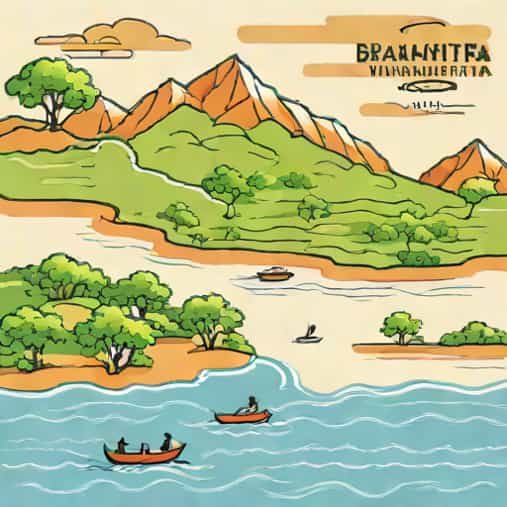
The Brahmaputra River is one of the major rivers of South Asia, known for its immense length, cultural significance, and ecological importance. Flowing through multiple countries, it serves as a lifeline for millions of people who depend on it for agriculture, transportation, and daily living. The river has a rich history, unique geographical features, and a vital role in the environment, making it an important subject for study. Understanding the Brahmaputra, its origin, course, and impact, provides insight into both natural and human aspects of the region it traverses.
Origin and Course of the Brahmaputra River
The Brahmaputra River originates from the Angsi Glacier in Tibet, China. Known as the Yarlung Tsangpo in its upper reaches, it flows eastward through the Tibetan plateau before entering India through Arunachal Pradesh. In India, it is called the Brahmaputra and continues its journey through the northeastern states, including Assam. Eventually, it enters Bangladesh, where it merges with the Ganges and forms the vast delta that drains into the Bay of Bengal. The total length of the river is approximately 2,900 kilometers, making it one of the longest rivers in Asia.
Major Tributaries
The Brahmaputra has several important tributaries that contribute to its volume and flow. Some of the key tributaries in India include
- Dibang River
- Lohit River
- Subansiri River
- Dhansiri River
- Manas River
These tributaries not only increase the water volume of the Brahmaputra but also support agriculture and biodiversity in the regions they flow through.
Geographical Features
The Brahmaputra River exhibits unique geographical features along its course. In Tibet, it flows through deep gorges and high-altitude terrains. When it enters India, the river spreads across wide floodplains, creating fertile lands in Assam. The river is known for its braided channels, sandbars, and islands, which change frequently due to sediment deposition and erosion. One of the most famous islands in the Brahmaputra is Majuli, located in Assam, which is considered the world’s largest river island.
Flooding and Seasonal Changes
The Brahmaputra River is known for its seasonal flooding, especially during the monsoon months. Heavy rainfall in the Himalayas and surrounding regions causes the river to swell, leading to widespread flooding in Assam and Bangladesh. While floods bring fertile silt to the plains, they also cause destruction to crops, infrastructure, and homes. Managing these floods is a major challenge for governments and local communities.
Cultural and Historical Significance
The Brahmaputra River holds immense cultural and historical importance. It is considered sacred in several local traditions and has inspired myths, legends, and religious practices. Temples and pilgrimage sites are located along its banks, attracting devotees and tourists alike. Historically, the river has served as a major route for trade and communication, connecting different regions and cultures of South Asia. The river’s name is derived from the Hindu deity Brahma, reflecting its spiritual significance.
Economic Importance
The Brahmaputra supports the livelihoods of millions of people living along its banks. Its waters are used for
- Irrigation for agriculture, especially rice cultivation in Assam
- Fishing, which is a major source of income and food
- Transportation and riverine trade, particularly in remote areas
- Hydropower generation, with several projects planned or operational along its course
Environmental Importance
The Brahmaputra River plays a crucial role in maintaining the ecological balance of the region. Its floodplains support diverse ecosystems, including wetlands, forests, and grasslands. Numerous species of fish, birds, and other wildlife depend on the river for survival. The river also recharges groundwater and helps maintain soil fertility in the floodplains. Conservation of the Brahmaputra is essential to protect both biodiversity and the livelihoods of people dependent on it.
Challenges and Conservation
Despite its importance, the Brahmaputra faces several environmental challenges. Pollution from industrial, agricultural, and domestic sources threatens water quality. Deforestation and soil erosion in the upper catchment areas increase sediment load, affecting river flow and navigation. Climate change and glacial melting in Tibet may also alter the river’s volume and flooding patterns. To address these challenges, governments and organizations are implementing measures such as flood management systems, afforestation, pollution control, and sustainable water resource management.
Tourism and Recreation
The Brahmaputra River attracts tourists for its natural beauty, cultural heritage, and adventure opportunities. River cruises, wildlife safaris, and cultural tours along the banks provide unique experiences. Majuli Island and Kaziranga National Park are popular tourist destinations accessible via the river. The river also offers opportunities for boating, fishing, and photography, contributing to the local economy through tourism.
Significance in Literature and Arts
The Brahmaputra has inspired writers, poets, and artists for centuries. Its majestic flow, scenic landscapes, and cultural richness are depicted in literature, paintings, and music. Folklore and oral traditions of Assam and surrounding regions often feature the river, reflecting its integral role in shaping regional identity and heritage.
The Brahmaputra River is more than just a body of water; it is a symbol of life, culture, and natural beauty in South Asia. Originating from Tibet and flowing through India and Bangladesh, it supports agriculture, transportation, biodiversity, and tourism. Its seasonal floods, braided channels, and fertile plains make it unique among the world’s rivers. While it faces environmental challenges, conservation efforts are essential to preserve its ecological and cultural significance. The Brahmaputra continues to be a vital lifeline for millions of people, connecting diverse communities and landscapes across the region, and remains an enduring source of inspiration and sustenance.