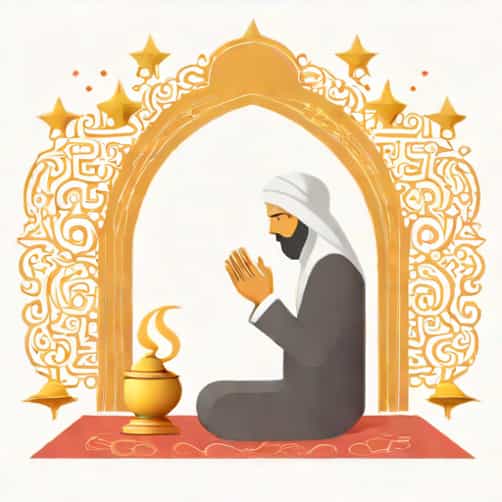
Eid ul-Fitr is one of the most important festivals in the Islamic calendar, marking the end of the holy month of Ramadan. It is a time for celebration, gratitude, and spiritual reflection. One of the central aspects of Eid ul-Fitr is the special prayer known as Salat al-Eid or Eid prayer. Performing this prayer correctly is an essential part of the celebration, as it strengthens community bonds and allows Muslims to express gratitude to Allah for the blessings received during Ramadan. Understanding how to perform the Eid ul-Fitr prayer is important for both new and experienced Muslims, and this guide provides a detailed explanation of its steps, significance, and etiquette.
Significance of Eid ul-Fitr Prayer
The Eid ul-Fitr prayer is not only a ritual act of worship but also a communal event that emphasizes unity, gratitude, and charity. Muslims gather in large open spaces, mosques, or designated prayer grounds to perform the prayer together. This act of congregation strengthens the sense of community and reminds worshippers of the importance of compassion, forgiveness, and helping those in need. Additionally, Eid prayer serves as a spiritual conclusion to Ramadan, allowing Muslims to thank Allah for the strength and patience shown during the month of fasting.
Key Elements of Eid Prayer
- It is performed in congregation, ideally in an open area or mosque.
- The prayer consists of two rakahs (units of prayer) with additional takbirs (saying Allahu Akbar).
- It is usually accompanied by a sermon (khutbah) delivered by the imam after the prayer.
- Charity, or Zakat al-Fitr, is given before the prayer to help those in need.
Preparations Before Performing Eid Prayer
Before attending the Eid prayer, Muslims prepare both physically and spiritually. Proper preparation ensures that the prayer is performed with respect and mindfulness.
1. Performing Ghusl (Full Ablution)
It is recommended to perform ghusl, a full-body purification, before going for Eid prayer. This ritual cleansing symbolizes spiritual purification and readiness to stand in the presence of Allah.
2. Dressing in Clean Clothes
Wearing clean and preferably new or best clothes is a tradition associated with Eid. It reflects respect for the occasion and adds to the celebratory atmosphere. Men and women both wear modest clothing that meets Islamic guidelines.
3. Eating Before the Prayer
Unlike regular fasting days, it is sunnah (recommended) to eat a light meal before the Eid prayer, typically dates. This distinguishes Eid prayer from other prayers and symbolizes the end of Ramadan fasting.
Steps to Perform Eid ul-Fitr Prayer
The Eid ul-Fitr prayer has a slightly different format compared to daily prayers. It includes additional takbirs and is performed in two rakahs. Below is a step-by-step guide on how to perform the prayer.
Step 1 Forming the Congregation
Muslims gather in straight rows, shoulder to shoulder, facing the Qibla (direction of the Kaaba in Mecca). The prayer can be led by an imam, who stands at the front of the congregation. Women usually pray in separate rows behind the men.
Step 2 Intention (Niyyah)
Before starting the prayer, each worshipper makes a silent intention (niyyah) in their heart, stating that they are performing the Eid ul-Fitr prayer for Allah. Intention is a crucial part of Islamic worship, as it differentiates the prayer from ordinary actions.
Step 3 First Rakah
- Begin by saying Allahu Akbar (Takbiratul Ihram) and raising your hands to shoulder level.
- After the initial takbir, recite additional seven takbirs while folding your hands or raising them according to local tradition.
- Recite Surah Al-Fatiha followed by another Surah, usually a short one like Surah Al-Ala or Surah Al-Ghashiyah.
- Complete the first rakah with Ruku (bowing), Sujood (prostration), and the final sitting before standing for the second rakah.
Step 4 Second Rakah
- After standing up from the first rakah, recite five additional takbirs at the beginning of the second rakah.
- Recite Surah Al-Fatiha and another Surah of choice.
- Proceed with Ruku and Sujood as in the first rakah.
- End the prayer with Tashahhud, reciting the necessary supplications, and finish with Taslim (turning the head to the right and left saying Assalamu Alaikum wa Rahmatullah).
After the Eid ul-Fitr Prayer
Following the prayer, Muslims often listen to the imam’s khutbah (sermon), which provides spiritual guidance and encouragement. The sermon usually includes reminders about gratitude, kindness, and giving to charity. After the prayer and sermon, it is customary to greet fellow Muslims with Eid Mubarak, sharing joy and blessings.
Giving Zakat al-Fitr
Before or after the Eid prayer, Muslims are required to give Zakat al-Fitr, a form of charity meant to purify the fast and help those in need celebrate Eid. It is recommended to give this charity early so that it reaches those who need it in time for the festivities.
Etiquette and Tips for Performing Eid Prayer
Observing proper etiquette enhances the spiritual experience of the Eid prayer. Some important tips include
- Arrive early to secure a place in the congregation and participate fully.
- Maintain humility and focus, avoiding unnecessary conversations before the prayer.
- Recite additional takbirs and follow the imam carefully to stay synchronized with the congregation.
- Dress modestly and appropriately to show respect for the occasion.
- Encourage family members, especially children, to participate in the prayer and community celebrations.
Common Mistakes to Avoid
- Neglecting the niyyah (intention) before starting the prayer.
- Missing the additional takbirs specific to Eid prayer.
- Not giving Zakat al-Fitr on time.
- Engaging in distractions or casual conversations during the prayer.
- Arriving late and missing the sermon and communal atmosphere.
Performing the Eid ul-Fitr prayer is a significant act of worship that celebrates the end of Ramadan and fosters community spirit among Muslims. By preparing spiritually and physically, understanding the steps of the prayer, and observing proper etiquette, worshippers can perform the Eid prayer correctly and meaningfully. The prayer, along with giving Zakat al-Fitr and exchanging greetings, strengthens faith, promotes gratitude, and encourages acts of kindness and charity. Whether for new or experienced Muslims, mastering the correct performance of Eid ul-Fitr prayer ensures that the celebration is not only joyous but also spiritually fulfilling.