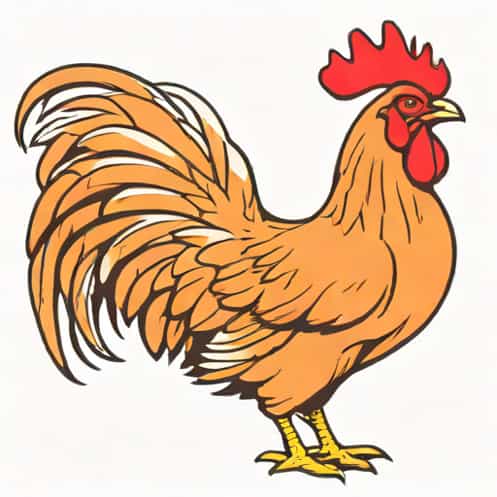
Leghorn chickens are one of the most popular chicken breeds in the world, known for their excellent egg-laying capabilities, active nature, and hardy characteristics. Whether you are a backyard poultry enthusiast or a small-scale farmer, understanding how much Leghorn chickens cost is essential before investing. The price of these chickens can vary significantly depending on factors such as age, sex, lineage, location, and purpose. Knowing what to expect in terms of cost helps buyers make informed decisions and budget effectively for purchasing and maintaining these productive birds.
Overview of Leghorn Chickens
Leghorns are lightweight, active birds originating from Italy, with the White Leghorn being the most common variety. They are highly prized for their prolific egg-laying abilities, often producing over 280 eggs per year. These chickens are known for their high feed-to-egg conversion ratio, making them an economical choice for egg production. Leghorns also come in other colors such as brown, black, and silver, although they are less common than the classic white variety.
Factors Affecting the Cost of Leghorn Chickens
Several factors influence how much Leghorn chickens cost, including
- AgeChicks are generally cheaper than pullets or adult layers. Day-old chicks may cost less but require more time and care before they start laying eggs. Pullets, which are young hens ready to lay eggs, typically cost more because they provide immediate egg production.
- SexFemale Leghorns are more expensive than males because they lay eggs. Males are often sold for meat or breeding purposes, and they typically do not have the same market demand as egg-laying hens.
- Breed QualityPurebred or show-quality Leghorns tend to cost more than standard utility birds. Chickens from reputable breeders with documented lineage or specific traits can command higher prices.
- LocationPrices can vary depending on geographic location and availability. Urban areas or regions with limited poultry suppliers may see higher prices due to demand and shipping costs.
- PurposeChickens purchased for egg production may have a different cost than those bought for breeding or exhibition purposes. High-producing hens or birds with exceptional genetics are usually priced higher.
Typical Prices for Leghorn Chickens
The cost of Leghorn chickens can range depending on their age, sex, and purpose
Day-Old Chicks
Day-old Leghorn chicks are generally the most affordable option. Prices typically range from $2 to $5 per chick. While they are cheaper, buyers need to be prepared for the additional care required during the first weeks of life, including temperature control, feeding, and protection from predators.
Pullets
Pullets are young hens that are usually 16 to 20 weeks old and are about to start laying eggs. Because they can immediately contribute to egg production, pullets are more expensive, typically costing between $15 and $30 each, depending on quality and availability. Purchasing pullets reduces the waiting period for egg production and can be a more convenient option for small-scale egg producers.
Adult Layers
Adult Leghorn hens that are actively laying eggs are generally the most expensive, with prices ranging from $25 to $50 per bird. These hens provide immediate egg-laying benefits and are often preferred by people who want to start producing eggs right away. Adult hens from reputable breeders or with proven high egg production may command higher prices within this range.
Roosters
Leghorn roosters are usually less expensive than hens, with prices ranging from $10 to $25, depending on their age and purpose. Roosters are primarily used for breeding or flock protection. While not needed for egg production, having one or two roosters can be valuable for maintaining a sustainable flock.
Additional Costs to Consider
When budgeting for Leghorn chickens, it is important to consider additional costs beyond the initial purchase price. These may include
- HousingA secure coop or pen is essential to protect chickens from predators and provide a comfortable living environment.
- FeedProper nutrition is critical for healthy growth and egg production. Feed costs vary depending on age and type, such as starter, grower, or layer feed.
- Water and SupplementsClean water and occasional vitamin or mineral supplements are necessary for optimal health.
- Health CareVaccinations, parasite control, and veterinary care can add to the total cost of raising Leghorns.
- Bedding and EquipmentMaterials like straw or wood shavings, feeders, waterers, and nesting boxes are ongoing expenses that should be included in the budget.
Where to Buy Leghorn Chickens
Leghorn chickens can be purchased from various sources, including hatcheries, local farms, poultry shows, and online breeders. Buying from a reputable source ensures that the birds are healthy and well-cared for. Many buyers prefer local farms or hatcheries to reduce transportation stress on the birds and minimize mortality rates during delivery. Additionally, checking reviews and references for breeders helps ensure that the chickens are of high quality and free from disease.
Considerations When Buying
When purchasing Leghorn chickens, it is important to
- Verify the health status of the birds
- Ask about vaccination history and breed lineage
- Inspect the living conditions if buying from a farm
- Consider transportation and handling requirements
Cost Variations by Region and Market
Prices for Leghorn chickens can vary widely depending on regional demand and market conditions. In areas where backyard chicken keeping is popular, prices may be slightly higher due to demand. Conversely, rural areas with more poultry farms may offer lower prices. Seasonal fluctuations can also affect prices, with higher demand in spring and summer when new flocks are commonly started. Understanding local market trends helps buyers anticipate costs and plan purchases strategically.
Economic Value of Leghorns
Investing in Leghorn chickens can be economically beneficial due to their high egg production and relatively low maintenance costs. Over time, the eggs produced by these hens can offset the initial investment and ongoing expenses, making them a cost-effective choice for small-scale egg producers. Additionally, selling surplus chicks or eggs can generate additional income, further enhancing the financial value of raising Leghorns.
The cost of Leghorn chickens varies based on age, sex, breed quality, location, and purpose. Day-old chicks are the most affordable option, while pullets and adult layers are more expensive due to their immediate egg-laying potential. Roosters are generally less costly but play an important role in breeding and flock management. Additional expenses such as housing, feed, water, healthcare, and equipment should be considered when budgeting for a flock. Buying from reputable sources ensures healthy birds and reduces risks associated with disease and poor quality. Overall, Leghorn chickens are a valuable investment for egg production and backyard poultry keeping, offering a combination of productivity, hardiness, and economic benefits.