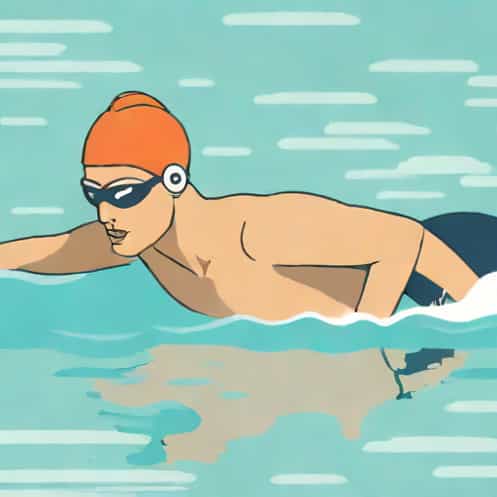
Improving your breaststroke requires a combination of proper technique, consistent practice, and focused drills to build strength, timing, and efficiency in the water. Breaststroke is one of the most technical swimming strokes, with precise coordination needed between arm movements, leg kicks, and breathing. Many swimmers struggle to master it because small errors in timing or form can greatly reduce speed and increase fatigue. By understanding the key elements of breaststroke and following a structured training routine, swimmers of all levels can enhance their performance and enjoy swimming with greater ease and efficiency.
Understanding the Basics of Breaststroke
Before attempting to improve, it is essential to understand the mechanics of the breaststroke. The stroke involves a simultaneous movement of both arms in a circular motion combined with a frog-like kick of the legs. Unlike freestyle or backstroke, breaststroke has a glide phase, where the body is streamlined and moves forward without active propulsion. Perfecting the balance between propulsion and glide is critical for increasing speed while conserving energy.
Key Components of Breaststroke
- Arm Movement Circular pull and recovery underwater, finishing near the chest.
- Leg Kick Frog kick, where heels are drawn toward the hips and then pushed outward and backward.
- Body Position Keep the body horizontal and streamlined during the glide phase.
- Breathing Inhale during the arm recovery and exhale while gliding underwater.
- Timing Synchronize arms, legs, and breathing for smooth, efficient propulsion.
Improving Technique Through Drills
Drills are essential for building muscle memory and refining your breaststroke. Focusing on specific components individually can help isolate weaknesses and gradually improve overall performance. Effective drills emphasize arm technique, leg strength, breathing, and body position.
Arm Drills
- Single-arm stroke Swim using one arm at a time to perfect the pull and recovery.
- Sculling drill Focus on hand positioning to maximize water resistance during the pull.
- Underwater pullouts Practice powerful arm extensions off the wall to enhance momentum.
Leg Drills
- Kickboard drills Hold a kickboard and practice the frog kick to strengthen legs.
- Vertical kicking In deep water, practice breaststroke kicks while treading vertically to build power and balance.
- Resistance bands or fins Use added resistance to increase leg strength and improve propulsion.
Timing and Coordination Drills
- Pull-kick-glide drill Focus on the sequence of arm pull, leg kick, and glide without rushing.
- Breath control drill Swim short distances while concentrating on synchronized breathing with arm movements.
- Slow-motion swimming Practice the stroke at a slower pace to perfect coordination and streamline.
Strength and Conditioning for Breaststroke
Physical strength and conditioning play a significant role in improving breaststroke performance. Core strength, leg power, and shoulder flexibility contribute to more effective strokes and better glide. Dryland exercises complement in-water practice by enhancing muscles critical for the stroke and reducing the risk of injury.
Key Strength Exercises
- Squats and lunges Build leg muscles for powerful kicks.
- Push-ups and resistance band exercises Strengthen arms and shoulders for better pulls.
- Planks and core rotations Enhance core stability to maintain streamlined body position.
- Flexibility exercises Stretching hips, ankles, and shoulders to improve kick range and arm reach.
Focus on Streamline and Body Position
A streamlined body reduces drag and allows smoother movement through water. When improving breaststroke, pay attention to maintaining a flat, horizontal position during glides and minimizing unnecessary movement of the head and hips. A strong glide phase between strokes conserves energy and increases overall efficiency. Practicing streamlined glides off the wall and during each stroke cycle can significantly improve speed.
Streamline Tips
- Keep your head low and aligned with your spine during the glide.
- Extend your arms fully during recovery to maximize propulsion.
- Keep hips close to the water surface to reduce drag.
- Focus on smooth transitions between arm pulls and leg kicks.
Breathing Techniques for Better Efficiency
Proper breathing is essential in breaststroke to maintain rhythm and oxygen supply. Most swimmers inhale quickly during the arm recovery and exhale underwater during the glide phase. Over-breathing or improper timing can disrupt body position and reduce speed. Practicing controlled breathing while keeping the head low ensures the stroke remains efficient and smooth.
Breathing Drills
- Timed breathing Inhale every stroke or every second stroke to find a comfortable rhythm.
- Exhalation underwater Fully exhale during the glide phase to maintain buoyancy and streamline.
- Head positioning drills Practice keeping the head steady while breathing to reduce drag.
Analyzing and Tracking Progress
Improving breaststroke requires regular assessment and feedback. Swimmers can use video recordings, lap times, and feedback from coaches to identify areas needing improvement. Analyzing stroke rate, kick efficiency, and body alignment provides valuable insights that guide practice sessions. Tracking progress over time helps measure improvement and maintain motivation.
Progress Tracking Methods
- Record swimming sessions for visual feedback on stroke technique.
- Use lap timers to monitor speed and endurance improvements.
- Keep a training log to track drills, distances, and observations.
- Seek coaching input for professional advice and corrections.
Consistency and Practice Routine
Consistent practice is the most important factor in getting better at breaststroke. Establishing a regular swimming schedule, including technique drills, endurance swims, and strength training, ensures steady improvement. Mixing focused skill sessions with full-stroke practice helps maintain both efficiency and stamina. Over time, consistent effort translates into smoother, faster, and more controlled swimming.
Practice Routine Tips
- Alternate between technique-focused and endurance-focused sessions.
- Incorporate drills for arms, legs, timing, and breathing regularly.
- Allow rest days to prevent overtraining and promote recovery.
- Gradually increase distance and intensity to build strength and stamina.
Getting better at breaststroke is a gradual process that combines proper technique, targeted drills, strength training, and consistent practice. By focusing on arm movements, leg kicks, body position, breathing, and timing, swimmers can improve efficiency and reduce fatigue. Using drills, analyzing performance, and maintaining a structured routine ensures steady progress. With dedication and attention to detail, anyone can master breaststroke, resulting in faster times, smoother strokes, and a more enjoyable swimming experience.