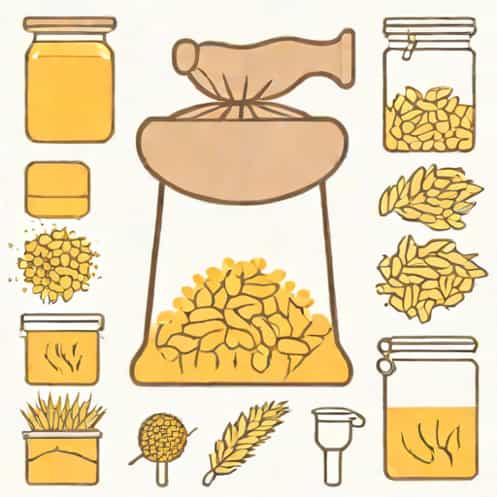
Inoculating grain spawn bags is a crucial step in mushroom cultivation, allowing growers to expand their mycelium culture efficiently and prepare it for fruiting. Proper inoculation ensures that the grains become fully colonized with mycelium, which serves as a nutrient-rich substrate for mushrooms to grow. This process requires careful attention to cleanliness, technique, and timing to prevent contamination and maximize yield. By understanding the steps and best practices, cultivators can successfully prepare healthy grain spawn bags and improve the chances of a successful mushroom harvest.
Understanding Grain Spawn
Grain spawn consists of sterilized or pasteurized grains that have been inoculated with mushroom mycelium. The grains act as a nutrient-rich substrate that supports the rapid growth of mycelium, which can later be used to inoculate bulk substrates. Common grains used for spawn include rye, wheat, millet, and sorghum, each providing essential nutrients for healthy mycelial growth.
Why Grain Spawn is Important
- Provides a high-nutrient medium for mycelium to thrive.
- Speeds up colonization compared to direct inoculation of bulk substrate.
- Reduces the risk of contamination when properly sterilized and handled.
- Allows for the expansion of small amounts of culture into larger quantities for commercial or home cultivation.
Preparing for Inoculation
Before starting the inoculation process, it is essential to prepare your workspace, equipment, and materials. A clean and controlled environment helps minimize the risk of contamination and ensures successful colonization of the grains.
Required Materials
- Sterilized or pasteurized grain spawn bags.
- Mushroom culture, typically in the form of liquid culture or agar wedges.
- Alcohol wipes or spray for sterilization.
- Gloves and a face mask to maintain hygiene.
- Scalpel, syringe, or inoculation loop depending on the type of culture being used.
Workspace Preparation
Choose a clean area to perform the inoculation. Disinfect surfaces with alcohol or a mild bleach solution, and ensure minimal airflow that could carry contaminants. Laminar flow hoods or still air boxes are often used in professional setups to provide a sterile environment.
Steps to Inoculate Grain Spawn Bags
Once all materials and the workspace are prepared, you can begin the inoculation process. Each step should be performed with care to maintain sterility and prevent contamination.
Step 1 Sterilize Your Hands and Tools
- Wash hands thoroughly with soap and water.
- Wear sterile gloves and a face mask.
- Disinfect the inoculation tools, syringes, and surfaces with alcohol.
Step 2 Prepare the Grain Spawn Bag
Check that the grain spawn bag is properly sterilized and has a filter patch for gas exchange. Gently shake the bag to distribute the grains evenly. If using a self-healing injection port, wipe it with alcohol before inserting the needle or tool.
Step 3 Inoculate the Grain
- For liquid culture, fill a sterile syringe with the culture and insert the needle into the injection port of the bag.
- Inject a small amount of liquid culture evenly into different areas of the bag to promote even colonization.
- For agar wedges, open the bag in a sterile environment and place small pieces of agar containing mycelium directly onto the grains, ensuring contact with multiple grains.
Step 4 Seal and Label the Bag
After inoculation, ensure the bag is sealed properly to prevent contamination. Label the bag with the mushroom strain, date of inoculation, and any other relevant details. Proper labeling helps track growth progress and identify the culture if multiple strains are being cultivated simultaneously.
Incubation and Colonization
Once inoculated, the grain spawn bags need to be stored under appropriate conditions for the mycelium to colonize the grains fully. Temperature, light, and humidity play critical roles in successful colonization.
Incubation Conditions
- Store bags in a dark or low-light environment to encourage mycelium growth.
- Maintain temperatures suitable for the specific mushroom species, often ranging from 20°C to 27°C (68°F to 80°F).
- Avoid direct sunlight and drafts that can introduce contaminants.
Monitoring Growth
Check the bags regularly for signs of healthy mycelium, which usually appears as white, thread-like structures spreading throughout the grains. Any green, black, or unusual colors may indicate contamination, in which case the bag should be discarded to prevent spreading.
Best Practices for Success
Following best practices during inoculation increases the likelihood of a fully colonized, contamination-free grain spawn bag.
Maintain Sterility
- Work quickly but carefully to minimize exposure to airborne contaminants.
- Use alcohol wipes, sterilized tools, and clean gloves consistently.
Even Distribution of Culture
Distributing the culture evenly across the grains encourages uniform colonization, reducing the risk of pockets that remain uncolonized and susceptible to contamination.
Proper Handling
- Do not over-handle the bag, as excess movement can damage the mycelium.
- Shake or mix the bag gently after initial colonization to promote even spread.
Common Mistakes to Avoid
Awareness of common mistakes can help prevent failed inoculation attempts and contamination issues.
- Working in an unsterile environment without proper precautions.
- Using contaminated or improperly sterilized grain bags.
- Injecting too much liquid culture, which can lead to overly wet conditions.
- Exposing the bags to direct sunlight or extreme temperatures.
- Failing to label bags properly, causing confusion in multi-strain projects.
Inoculating grain spawn bags is a critical step in mushroom cultivation that requires precision, cleanliness, and patience. By preparing a sterile workspace, using proper techniques for inoculation, and monitoring the colonization process, cultivators can produce healthy, fully colonized grain bags ready for use in bulk substrate inoculation. Following best practices, avoiding common mistakes, and maintaining proper incubation conditions ensure successful growth of mycelium and a higher chance of a bountiful mushroom harvest. With careful attention to detail, inoculating grain spawn bags can become a reliable and productive part of any mushroom cultivation process.