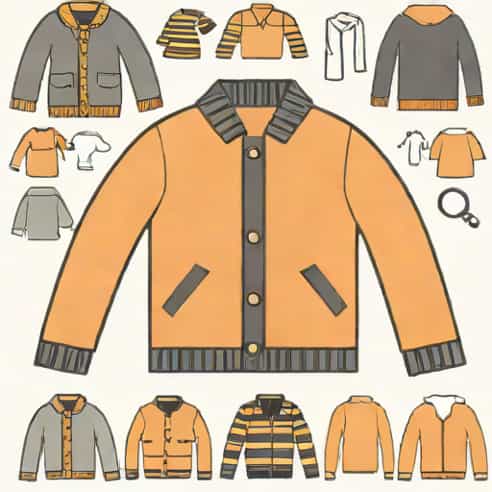
Knitting a jacket can seem intimidating at first, especially for beginners, but with the right guidance, it is entirely achievable. Learning to knit a jacket using a simple method can be both satisfying and creative, allowing you to craft a custom garment that fits your style and size. A Jacke stricken einfache Anleitung or easy guide to knitting a jacket breaks the process down into manageable steps. By understanding the basic techniques, choosing the right yarn and needles, and following clear instructions, anyone can create a cozy, stylish jacket at home.
Choosing the Right Materials
Before starting a knitting project, selecting the appropriate materials is essential. The yarn, needles, and additional tools will affect the final look and feel of your jacket. For beginners, medium-weight yarn, also known as worsted weight, is ideal because it is easy to handle and works up relatively quickly. Choose a color that suits your wardrobe and consider the fiber wool is warm and stretchy, while acrylic is easy to care for and budget-friendly.
Knitting Needles
The choice of needles is also important. Circular needles are versatile and ideal for larger projects like jackets because they can hold many stitches comfortably. Straight needles can also be used if you prefer traditional knitting methods. Beginners should choose needles that match the yarn’s recommended size, typically indicated on the yarn label.
Other Tools
Additional tools that make the project smoother include stitch markers, a tapestry needle for sewing pieces together, scissors, and a measuring tape. Having these items ready before starting ensures a more enjoyable knitting experience and prevents interruptions.
Basic Techniques for Beginners
Even a simple jacket requires mastering a few fundamental knitting techniques. Learning these basics ensures that the jacket comes together neatly and evenly. Start with practicing the following
- Casting OnThis is the first step to create your initial stitches on the needle. A simple long-tail cast-on works well for jackets.
- Knit StitchThe basic stitch in knitting, essential for creating the main body of the jacket.
- Purl StitchOften combined with the knit stitch to create patterns such as ribbing or stockinette.
- Binding OffThis finishes the edges of your knitting and secures the stitches.
- Increasing and DecreasingTechniques to shape the jacket, particularly around the shoulders, sleeves, and waist.
Step-by-Step Guide to Knitting a Jacket
Following a structured plan helps simplify the process. A basic jacket can be divided into front panels, back panel, and sleeves, which are later sewn together.
1. Knitting the Back Panel
Start with the back panel, which is typically the largest piece. Cast on the number of stitches indicated for your size and knit in your chosen stitch pattern until the piece reaches the desired length. Adding a few rows of ribbing at the bottom helps the jacket fit snugly.
2. Knitting the Front Panels
The front panels are knitted separately, often mirroring each other. If you are creating a buttoned jacket, leave space for buttonholes by following a simple buttonhole pattern. Ensure both panels are the same size and match the back panel in length.
3. Knitting the Sleeves
Sleeves can be knitted flat or in the round. Begin with a cuff using ribbing for a snug fit, then increase stitches gradually to achieve the desired width. The sleeve length should be measured carefully to ensure a comfortable fit. Matching both sleeves is essential for symmetry.
4. Assembly and Finishing
Once all pieces are knitted, the next step is assembly. Use a tapestry needle to sew the shoulder seams first, followed by side seams and sleeve seams. Weave in any loose ends carefully. If your jacket has buttons, sew them on the appropriate front panel and make sure buttonholes align properly. Blocking the finished jacket can help even out stitches and improve the overall appearance.
Tips for a Successful Jacket Project
Even with a simple guide, paying attention to detail can make a big difference in the final result. Here are some practical tips
- Always measure your gauge before starting to ensure the jacket fits as intended.
- Keep track of rows and stitches using a notebook or row counter.
- Use stitch markers to mark important points such as increases, decreases, or buttonhole placements.
- Choose a simple stitch pattern like stockinette or garter stitch for an easier project.
- Take breaks and enjoy the process to avoid frustration or mistakes.
Common Mistakes to Avoid
Beginners often encounter mistakes, but knowing what to watch out for can prevent them
- Skipping gauge measurements, leading to a jacket that is too small or too large.
- Uneven tension, which affects the consistency of stitches and the overall look.
- Misaligned seams, which can make the jacket appear unprofessional.
- Ignoring pattern instructions for increases, decreases, or buttonholes.
- Using the wrong needle size or yarn type, which can affect the drape and comfort.
Knitting a jacket with a simple guide, or Jacke stricken einfache Anleitung, is an accessible project for beginners and experienced knitters alike. By carefully choosing materials, mastering basic techniques, and following a structured step-by-step approach, you can create a beautiful, functional garment. Remember to take your time with each section, from knitting the back and front panels to assembling sleeves and finishing seams. Paying attention to details such as gauge, tension, and stitch consistency will ensure a polished final product.
With practice and patience, knitting a jacket becomes not only a practical skill but also a rewarding creative experience. Whether you choose a plain stockinette stitch or experiment with subtle patterns, a hand-knitted jacket provides warmth, style, and a sense of accomplishment. Following an easy guide allows anyone to embark on this enjoyable project and produce a handmade piece of clothing that can be treasured for years.
Ultimately, the key to successfully knitting a jacket is preparation, persistence, and enjoyment of the craft. Even as a beginner, you can achieve impressive results by following an easy-to-understand guide, paying attention to measurements, and practicing essential knitting techniques. The satisfaction of wearing a self-made jacket adds a personal touch to your wardrobe that cannot be replicated by store-bought garments.