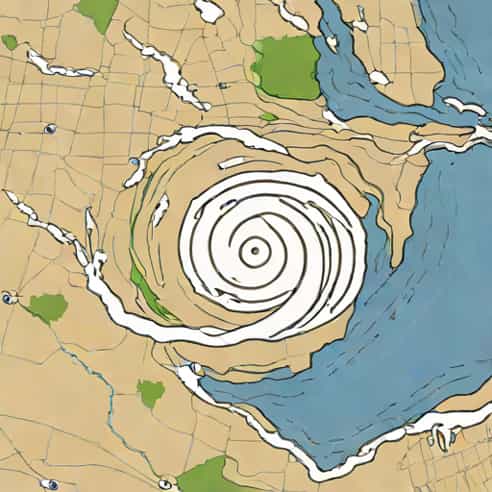
Jacksonville, Florida, recently faced the impacts of Hurricane Helene, a powerful tropical storm that brought heavy rainfall, strong winds, and widespread disruptions to the region. Residents experienced significant challenges as the hurricane approached, including flooding, property damage, and temporary power outages. Emergency services and local authorities worked tirelessly to prepare the city and its surrounding areas for the storm, issuing warnings, opening shelters, and coordinating response efforts. Understanding the effects of Hurricane Helene on Jacksonville, the precautions taken, and the lessons learned from this event provides insight into how communities can better manage extreme weather events and protect both lives and property.
Hurricane Helene Overview
Hurricane Helene was a notable tropical cyclone in the Atlantic hurricane season, affecting multiple states along the southeastern United States, including Florida. Classified as a Category 2 storm at its peak, Helene brought sustained winds capable of causing structural damage and dangerous storm surges along coastal regions. Meteorologists closely monitored its path and intensity, providing regular updates to ensure that residents and officials could respond appropriately. Jacksonville, being a major urban center with a mix of coastal and inland areas, faced unique risks from both wind and water-related impacts.
Preparations in Jacksonville
Before Hurricane Helene made landfall or impacted the city, Jacksonville authorities implemented extensive preparedness measures. These included
- Issuing evacuation orders for low-lying and flood-prone areas.
- Setting up emergency shelters for residents needing temporary housing.
- Mobilizing first responders and utility crews to handle potential emergencies.
- Providing residents with guidelines for securing homes, stocking essential supplies, and staying informed through local news channels.
Community awareness campaigns emphasized the importance of safety measures, particularly for vulnerable populations such as the elderly, people with disabilities, and those living in areas historically affected by flooding.
Impact on Infrastructure
Hurricane Helene’s impact on Jacksonville’s infrastructure was significant, though the city’s preparedness helped mitigate the worst outcomes. Strong winds caused damage to buildings, signs, and trees, while heavy rainfall led to localized flooding in streets and neighborhoods. Several main roads and bridges experienced temporary closures due to water accumulation and debris, affecting transportation and emergency response times. Power outages occurred in multiple areas as trees fell on lines, and utility crews worked around the clock to restore services. The storm underscored the importance of resilient infrastructure and proactive maintenance in hurricane-prone regions.
Environmental Effects
In addition to direct damage to infrastructure, Hurricane Helene had notable environmental impacts in Jacksonville. Coastal erosion increased along beaches and dunes due to storm surges, while inland waterways experienced rising water levels that threatened homes and natural habitats. Local wildlife, particularly birds and small mammals, faced displacement, and cleanup efforts involved both restoring the urban environment and protecting local ecosystems. These environmental consequences highlighted the broader effects of hurricanes beyond human-centered concerns.
Community Response and Relief Efforts
Jacksonville’s community response to Hurricane Helene showcased coordination between government agencies, nonprofits, and volunteers. Relief efforts focused on providing food, water, and temporary shelter to those affected by flooding or property damage. Local organizations assisted in debris removal, home repairs, and mental health support for residents coping with the stress of the storm. The community’s resilience demonstrated the importance of preparedness planning, communication networks, and collaboration during natural disasters.
Lessons Learned
The experience of Hurricane Helene in Jacksonville offered several lessons for future storm preparedness
- Early warnings and clear communication are critical for minimizing casualties and property damage.
- Investing in resilient infrastructure, including flood-resistant roads and reinforced utility lines, reduces long-term impacts.
- Community engagement, including neighborhood support networks, enhances recovery efforts and ensures that vulnerable populations are protected.
- Environmental considerations, such as dune preservation and wetland protection, can mitigate storm damage and support ecosystem health.
These lessons are valuable for city planners, emergency managers, and residents in preparing for future hurricanes and extreme weather events.
Comparisons to Past Hurricanes
Hurricane Helene’s impact on Jacksonville can be compared to past hurricanes that affected the area, providing context for its severity and response effectiveness. Unlike more catastrophic storms, Helene caused manageable levels of damage thanks to proactive measures and improved forecasting technology. Comparisons highlight how advances in meteorology, emergency management, and community education have enhanced the city’s ability to cope with hurricanes while still emphasizing the need for continuous improvement in infrastructure and preparedness strategies.
Role of Technology and Forecasting
Technology played a vital role in preparing Jacksonville for Hurricane Helene. Satellite imaging, radar tracking, and predictive modeling allowed meteorologists to forecast the storm’s path and intensity accurately. Mobile alerts, social media updates, and local news broadcasts provided residents with real-time information about evacuation orders, safety precautions, and emergency resources. These technological tools were instrumental in reducing confusion, guiding timely actions, and supporting coordinated responses across multiple agencies.
Recovery and Long-Term Planning
Following the immediate impacts of Hurricane Helene, Jacksonville focused on recovery efforts and long-term planning. Debris removal, infrastructure repair, and utility restoration were prioritized to return the city to normal functioning. Lessons learned from the storm have informed future hurricane preparedness plans, including improvements to flood management systems, public awareness campaigns, and emergency response training. Long-term planning also involves collaboration with environmental scientists to ensure that natural buffers, such as wetlands and dunes, are preserved to reduce future hurricane impacts.
Community Resilience
The residents of Jacksonville demonstrated resilience in the face of Hurricane Helene. Neighborhoods supported one another through cleanup efforts, shared resources, and emotional support. Schools, businesses, and community centers played a role in facilitating recovery and fostering a sense of unity. This resilience is crucial in mitigating the physical and psychological effects of hurricanes, and it highlights the strength of communities when faced with natural disasters.
Hurricane Helene’s visit to Jacksonville, Florida, was a significant event that tested the city’s preparedness, infrastructure, and community response. While the storm caused disruptions, flooding, and property damage, proactive measures by authorities and coordinated efforts by residents minimized the overall impact. The experience underscored the importance of early warning systems, resilient infrastructure, community engagement, and long-term planning in managing hurricane risks. By learning from the effects of Hurricane Helene, Jacksonville is better equipped to face future storms, protect its residents, and maintain the resilience of both its human and natural systems.