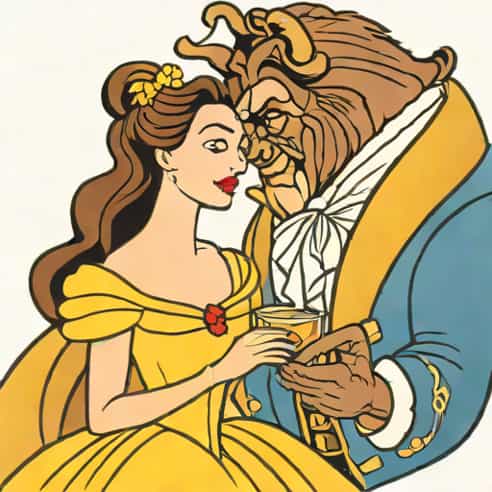
Jean Cocteau’s Beauty and the Beast remains one of the most enchanting and visually poetic adaptations of the classic fairy tale. Released in 1946, the film has captivated audiences for decades, not only because of its story but also because of Cocteau’s artistic vision, inventive filmmaking techniques, and deep emotional themes. The film blends fantasy, romance, and surrealism in a way that had never been seen before, turning a traditional tale into a cinematic masterpiece that continues to inspire modern filmmakers and storytellers. Understanding why this adaptation stands out requires exploring its symbolism, visual style, and the unique creative approach that Cocteau brought to the screen.
The Vision of Jean Cocteau
A Multidisciplinary Artist
Jean Cocteau was not only a filmmaker but also a poet, painter, and playwright. His artistic background heavily influenced the style of Beauty and the Beast. Rather than treating the film as a straightforward retelling, he shaped it like a moving poem. Every scene feels meticulously crafted, using theatrical techniques, expressive lighting, and symbolic gestures that reflect his background in the arts.
This multidisciplinary influence is one of the reasons the movie remains timeless. Cocteau didn’t attempt to create a literal, realistic fairy-tale world; instead, he created a dreamlike atmosphere where reality and fantasy blend seamlessly.
Creating Magic Through Simplicity
Even with the technological limitations of the 1940s, Cocteau managed to produce special effects that still impress viewers. He relied on practical effects such as slow-motion, reverse filming, moving hands that emerge from walls, and candlelit corridors that seem alive. These choices make the film feel more like a living painting than a typical movie.
Because Cocteau valued artistry over complicated machinery, the magic feels hand-crafted and intimate. The result is a sense of authenticity that modern digital effects sometimes lack.
The Story and Its Emotional Depth
A Tale Rooted in Human Emotion
While the plot of Beauty and the Beast follows the familiar story of Belle, her family, and the cursed Beast, Cocteau emphasizes emotional honesty rather than spectacle. Belle is portrayed not merely as a damsel but as a compassionate and thoughtful heroine who cares deeply for her father. The Beast, played with remarkable sensitivity by Jean Marais, is both imposing and vulnerable, capturing the duality of inner humanity and outer monstrosity.
Cocteau uses these characters to explore themes of love, sacrifice, and transformation. The Beast is not simply waiting to be saved; he is learning how to love selflessly. Belle is not merely fulfilling a fairy-tale destiny; she is discovering the meaning of empathy and seeing beyond appearances.
The Symbolism in the Narrative
Symbolism plays a crucial role throughout the film. The enchanted castle functions as a metaphor for the Beast’s internal struggles. Objects that move on their own represent the remnants of a cursed existence, trapped between animation and stillness. Belle’s journey through the castle mirrors her emotional journey toward understanding the Beast.
- The rose symbolizes fragile beauty and the passage of time.
- The castle represents psychological confinement and longing.
- The mirror reflects truth and self-awareness.
These symbolic elements enrich the narrative, making it more than a fairy tale; they transform it into a meditation on human nature.
Visual Poetry and Cinematic Style
Lighting and Atmosphere
One of the most memorable aspects of Jean Cocteau’s Beauty and the Beast is the use of lighting. Shadows enhance the film’s mystery, while soft illumination on Belle’s face highlights her purity. Cocteau uses contrasts of darkness and light to express emotional tensions, from the Beast’s loneliness to Belle’s curiosity.
The castle’s dimly lit hallways, illuminated by flickering candles held by human arms, create an eerie yet mesmerizing world that draws audiences into the heart of the story.
Set Design Inspired by Dreams
The set design blends Gothic elements with surreal artistry. Rooms inside the castle look like they were carved directly from imagination. The design doesn’t attempt realism; instead, it evokes the feeling of walking through a dream.
Objects such as living statues, ornate mirrors, and draped fabrics contribute to the surreal atmosphere. Cocteau wanted viewers to feel as if they were stepping into a painting or a poem, and the dreamy design successfully achieves that effect.
The Performances That Brought the Tale to Life
Jean Marais as the Beast
Jean Marais, a frequent collaborator and romantic partner of Cocteau, plays multiple roles in the film, but his portrayal of the Beast is the most iconic. Beneath heavy makeup and prosthetics, he delivers a deeply emotional performance filled with longing, self-doubt, and hope.
Marais’s expressive eyes and physical movements communicate the Beast’s pain and humanity. His performance remains one of cinema’s most memorable depictions of a cursed prince.
Josette Day as Belle
Josette Day’s portrayal of Belle emphasizes grace, empathy, and inner strength. She embodies the role with sincerity, avoiding the overly idealized or overly defiant portrayals common in later adaptations. Her interactions with the Beast show genuine emotional progression, making their relationship believable and heartfelt.
The chemistry between Marais and Day elevates the film, infusing their scenes with emotional tension and tenderness.
Legacy and Cultural Impact
A Landmark in French Cinema
Jean Cocteau’s Beauty and the Beast is considered a cornerstone of French cinematic history. It demonstrated how fantasy and art could blend in a serious, poetic form. At a time when the world was recovering from war, the film offered hope, beauty, and escapism, resonating strongly with audiences.
Its success paved the way for later fantasy films and influenced generations of filmmakers who sought to combine storytelling with visual artistry.
Influence on Modern Adaptations
Many adaptations of Beauty and the Beast, including animated and live-action versions, draw inspiration from Cocteau’s vision. Elements like enchanted household objects, atmospheric castles, and emotional depth can be traced back to his interpretation of the story.
Even directors who take a more modern approach often acknowledge the film’s influence on their storytelling and visual choices.
Why Cocteau’s Version Still Matters
A Unique Blend of Romance and Surrealism
What makes Jean Cocteau’s Beauty and the Beast endure is its artistic honesty. Rather than relying on spectacle alone, it uses emotion, symbolism, and visual poetry to capture the essence of the tale. The film remains relevant because its themes love, transformation, and acceptance are universal.
The surreal atmosphere invites viewers to experience the story not just intellectually but emotionally and visually. It is a fairy tale for adults and children alike, offering layers of meaning no matter how many times it is watched.
A Timeless Work of Art
Cocteau once said that filmmaking was a kind of magic. His adaptation proves this philosophy. Every moment in the film feels deliberate, crafted with care and imagination. Its beauty lies not only in the story it tells but in the way it tells it through poetic visuals, heartfelt performances, and a deep understanding of the emotional core of the original tale.
Jean Cocteau’s Beauty and the Beast remains a masterpiece that continues to inspire, enchant, and remind audiences of the power of storytelling through art.