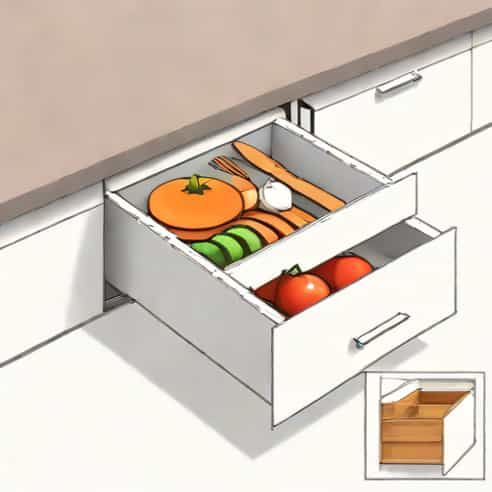
Few household problems are as frustrating as discovering your kitchen drawer jammed from inside. Whether it’s a utensil caught behind the drawer, a fallen object wedged between the slides, or warped wood blocking the motion, a jammed drawer can disrupt your daily routine. It’s a small inconvenience that often turns into a puzzle requiring patience and careful handling. Understanding why a drawer gets stuck and how to fix it safely can save you from unnecessary damage or stress. This topic will guide you through practical solutions to unjam a kitchen drawer and prevent the issue from happening again.
Common Reasons Why a Kitchen Drawer Gets Jammed
A kitchen drawer may become stuck for several reasons. Identifying the root cause is the first step toward solving the problem efficiently. Most jams are mechanical, caused by objects or misalignment within the drawer system. Here are the most common reasons
- Obstruction from insideUtensils, cutlery, or other items may fall behind or underneath the drawer, blocking its movement.
- Overloaded drawerToo many heavy items can cause the drawer bottom to sag or the rails to bend.
- Warped wood or swollen materialIn humid environments, wooden drawers can swell and rub against the cabinet frame.
- Damaged or misaligned slidesThe tracks or rollers can shift, break, or become detached, preventing the drawer from opening smoothly.
- Loose screws or nailsHardware coming loose inside the cabinet can interfere with the drawer’s motion.
Each of these problems requires a slightly different approach, but most can be fixed without removing the entire cabinet or using specialized tools.
Initial Steps Before Trying to Force It Open
When faced with a kitchen drawer jammed from inside, the first instinct is often to pull harder. However, this can worsen the situation by breaking the drawer front or bending the slides. Instead, take a methodical approach to diagnose and release the obstruction safely.
1. Check for visible obstructions
Shine a flashlight into the small gap above or beside the drawer front. You may be able to spot an object that has fallen out of place. A long, thin tool such as a butter knife, metal ruler, or coat hanger can sometimes be used to move or push the obstruction out of the way.
2. Try lifting or tilting the drawer
Sometimes, gently lifting or shifting the drawer while pulling can free it from a snag. Apply light pressure upward, downward, or to one side while pulling slowly. The goal is to change the angle just enough to dislodge the blockage without damaging the slides.
3. Remove adjacent drawers
If the kitchen has multiple drawers in a row, take out the one directly above or below the jammed one. This gives you access to the inside of the cabinet, allowing you to reach behind and clear any objects that may have fallen and are blocking the drawer’s path.
How to Fix a Drawer Jammed from Inside
Once you have identified that the problem is an internal obstruction or misalignment, there are several practical steps to take. Follow these methods carefully to avoid damaging the drawer or cabinet structure.
1. Access from underneath or behind
If removing neighboring drawers doesn’t provide enough space, you can often reach the jammed area from below the cabinet. Use a flashlight to locate the object causing the problem. A flexible grabbing tool or a pair of long tongs can help pull out utensils or items that have fallen behind the drawer.
2. Remove the drawer completely
Most modern kitchen drawers have a built-in release mechanism that allows them to be removed safely. Pull the drawer as far as it will go, then look for levers or tabs on the slides-usually located on the sides near the end of the track. Press or lift these simultaneously while pulling the drawer forward. Once it’s out, you can inspect the rails and interior for obstructions or damage.
3. Realign the drawer slides
If the drawer is out of alignment, inspect the metal slides on both sides. Ensure they are parallel and securely attached to the cabinet. Tighten any loose screws and check for bends. If a slide is bent or broken, replacing it is usually simple and inexpensive. Always replace both slides together to maintain smooth movement.
4. Check for swollen or warped wood
Wooden drawers are particularly sensitive to humidity. If the drawer feels tight or rubs against the frame, it may have expanded slightly. Sanding the edges lightly or applying a furniture wax can help reduce friction. In cases of extreme swelling, it may be necessary to let the drawer dry out in a less humid area before reinstalling it.
5. Repair or replace damaged hardware
Loose screws, broken rails, or damaged rollers can also cause jamming. Replace any worn-out parts with new hardware of the same type. Lubricate the tracks with a silicone-based spray to ensure smooth operation and prevent future sticking.
Preventing Future Drawer Jams
After fixing a jammed kitchen drawer, prevention becomes key. A few simple maintenance habits can help ensure your drawers remain easy to open and close.
- Keep drawers organizedAvoid overloading drawers with utensils or gadgets that can shift and block movement.
- Check for loose hardware regularlyTighten screws and bolts to keep the drawer slides properly aligned.
- Use drawer dividersThese help keep items in place and prevent them from falling behind the drawer.
- Control humidity levelsUse a dehumidifier in the kitchen if moisture frequently causes wooden drawers to swell.
- Clean the tracksDust and debris buildup can make slides sticky. Wipe them down occasionally with a damp cloth and apply a small amount of lubricant.
When to Call a Professional
Most jammed kitchen drawers can be fixed with patience and basic tools, but in some cases, professional help may be necessary. If the drawer or cabinet structure is damaged, or if the slides are built into a complicated cabinetry system, a carpenter or handyman can provide a more permanent repair. Professional assistance is also recommended if the drawer front has detached or cracked, as improper repair attempts can worsen the damage.
Alternative Methods for Stubborn Cases
In some situations, particularly when dealing with older cabinetry or built-in drawers, standard methods may not work. Here are some additional approaches to consider
1. Remove the countertop or panel above
If the obstruction cannot be reached through the front or sides, removing the countertop or upper panel might be the only option. This approach should be taken cautiously and usually requires professional help to avoid damaging the kitchen structure.
2. Use a flexible inspection camera
Small inspection cameras or borescopes can be inserted through small gaps to visualize what’s blocking the drawer. These tools are inexpensive and useful for locating hidden obstructions without disassembling the cabinet.
3. Disassemble the drawer box
As a last resort, you can unscrew the front panel or detach the drawer box to release the jammed section. Once the obstruction is cleared, reassemble and test for smooth motion. Always check for alignment before reinstalling the drawer completely.
A kitchen drawer jammed from inside can be an annoying problem, but with a calm and careful approach, it’s usually easy to fix. The key is to identify whether the issue is caused by an internal obstruction, a misaligned slide, or structural damage. Avoid using excessive force, and take time to inspect the drawer’s surroundings before attempting repairs. Regular maintenance, organization, and moisture control will keep your drawers sliding smoothly for years to come. With these practical tips, you can handle a jammed drawer confidently and prevent it from disrupting your kitchen’s functionality again.