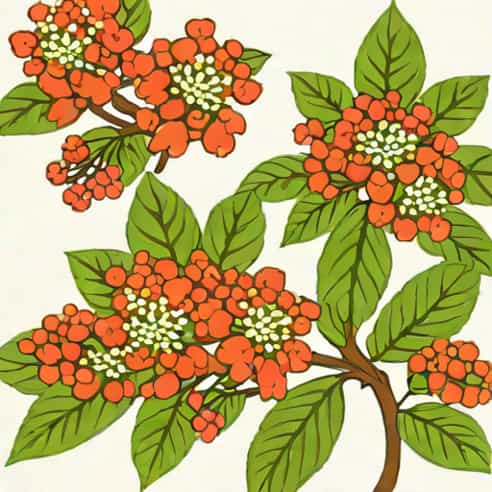
The Korean Spice Viburnum, scientifically known as Viburnum carlesii, is a beloved ornamental shrub prized for its fragrant blooms and attractive foliage. Gardeners often look forward to its flowering period, as the plant produces clusters of small, fragrant, pinkish-white flowers that can transform landscapes in the spring. Understanding the bloom time of the Korean Spice Viburnum is essential for gardeners who want to maximize its aesthetic appeal and plan complementary plantings. Factors such as climate, soil conditions, and sunlight exposure all influence when and how abundantly this shrub will bloom, making it an important consideration in garden planning and maintenance.
Typical Bloom Time for Korean Spice Viburnum
Korean Spice Viburnum typically blooms in mid to late spring, often around April to May, depending on the climate zone. In regions with milder winters, bloom may begin as early as late March, while colder climates may see the flowers emerge in early June. Each flower cluster, or inflorescence, consists of numerous small blooms that collectively give off a strong, sweet fragrance reminiscent of spices, which is how the shrub earned its common name. The bloom period usually lasts for two to three weeks, providing an extended window of visual and aromatic enjoyment.
Environmental Factors Affecting Bloom Time
Several environmental factors can influence the precise timing of Korean Spice Viburnum blooms. Temperature is one of the primary determinants; warmer spring temperatures can accelerate flowering, while late frosts may delay or damage buds. Sunlight exposure also plays a significant role. Full sun to partial shade is ideal for optimal flowering, as too little light may result in reduced bloom quantity. Additionally, soil conditions, including fertility, pH, and moisture levels, can affect the health of the shrub and the timing and abundance of blooms.
Planting and Care Tips for Maximizing Bloom
To ensure a robust bloom period, proper planting and care are essential. Korean Spice Viburnum thrives in well-drained soil with a slightly acidic to neutral pH. While the shrub is relatively low-maintenance, regular watering, particularly during dry spells, helps maintain healthy foliage and flower buds. Mulching around the base can conserve moisture, regulate soil temperature, and suppress weeds, all of which contribute to optimal blooming conditions.
Pruning Practices
Pruning is another important factor in managing bloom time and overall shrub health. The best time to prune Korean Spice Viburnum is immediately after flowering, as it blooms on old wood. Removing spent flower clusters and shaping the shrub at this time encourages better air circulation, reduces disease risk, and promotes vigorous growth for the following season. Avoid heavy pruning in late summer or fall, as this may remove buds that will produce flowers next spring.
Companion Planting and Landscape Uses
The fragrant and visually appealing flowers of the Korean Spice Viburnum make it a versatile choice for various landscape designs. Its blooms can be highlighted in mixed borders alongside other spring-flowering shrubs such as azaleas, lilacs, and rhododendrons. The shrub also performs well as a standalone specimen or as part of a hedge, adding both beauty and fragrance to the garden. Understanding bloom time allows gardeners to coordinate companion plantings so that the landscape features continuous color and interest throughout the spring and early summer.
Pollinator Attraction
Korean Spice Viburnum flowers are not only visually appealing but also attract pollinators such as bees and butterflies. This adds ecological value to gardens and supports local biodiversity. Timing plantings to coincide with peak bloom periods ensures that pollinators can take full advantage of the floral resources provided by the shrub. Gardens with a variety of bloom times offer extended support to pollinators and create a dynamic and lively environment throughout the growing season.
Bloom Variations and Cultivar Differences
While Viburnum carlesii is the most common Korean Spice Viburnum, several cultivars offer slight variations in bloom time, flower color, and fragrance intensity. Some popular cultivars, such as ‘Compactum’ or ‘Aurora,’ are bred for smaller growth habits, making them suitable for container planting or limited spaces while still providing abundant blooms. Gardeners should research specific cultivars to understand any differences in bloom time and growth requirements, ensuring the best results for their landscape.
Signs of Healthy Blooms
- Bright, evenly colored flower clusters without browning edges.
- Strong fragrance that is noticeable from a short distance.
- Healthy, deep green foliage that supports the blooms.
- Consistent flowering across multiple branches, indicating even growth.
- Minimal presence of pests or disease affecting the buds or leaves.
The Korean Spice Viburnum is a highly valued shrub for its beautiful, fragrant blooms that signal the arrival of spring. Bloom time typically occurs from mid to late spring, though factors such as climate, sunlight, and soil conditions can shift this window. Proper planting, soil care, watering, and post-bloom pruning are essential for maximizing both the quality and duration of flowering. Whether used as a specimen plant, hedge, or companion in mixed borders, understanding the bloom time of Korean Spice Viburnum allows gardeners to create harmonious and visually appealing landscapes. Additionally, the blooms’ attractiveness to pollinators enhances the ecological benefits of planting this shrub. By selecting appropriate cultivars and maintaining optimal growing conditions, gardeners can enjoy weeks of fragrant flowers and the aesthetic charm that Korean Spice Viburnum brings to any garden setting.