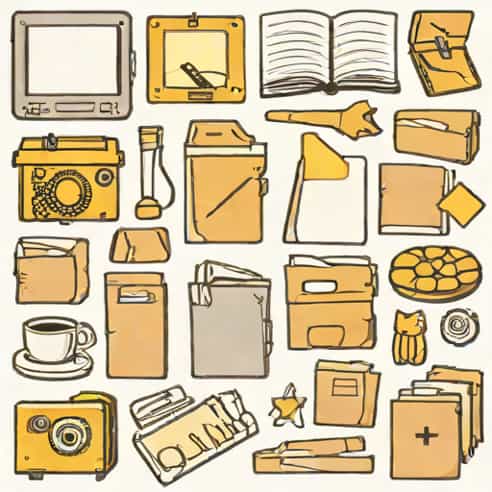
Making ephemera for junk journals is one of the most creative and enjoyable parts of crafting. Whether you’re a beginner or an experienced journal maker, creating your own paper treasures adds personality and charm to your work. Ephemera refers to small, decorative paper pieces-like tickets, postcards, stamps, and tags-that give your junk journal a nostalgic and layered feel. The beauty of making ephemera lies in its freedom there are no strict rules, only endless possibilities to express your creativity through paper, ink, and imagination.
What Is Ephemera in Junk Journals?
In the world of junk journaling, ephemera is a term used for vintage-style paper pieces that serve both aesthetic and functional purposes. Historically, ephemera referred to items meant to be temporary-such as event tickets, receipts, or advertisements. However, journalers have turned these fleeting objects into works of art by recreating and preserving them within journals.
Making ephemera for junk journals allows you to incorporate bits of history, texture, and storytelling into your pages. These little pieces add layers of visual interest and often carry personal meaning. You can design them from scratch or upcycle existing materials like old magazines, letters, or even packaging.
Essential Supplies for Making Ephemera
Before you start crafting your own paper pieces, it’s helpful to gather the right tools and materials. You don’t need expensive supplies to create stunning ephemera; most of what you need can be found around the house or at a craft store.
- PaperUse scrapbook paper, vintage book pages, sheet music, or tea-dyed paper for an aged look.
- Scissors and Craft KnifeFor cutting intricate shapes and trimming edges neatly.
- Glue and TapeAdhesives like glue sticks, double-sided tape, or Mod Podge work well.
- Inks and StampsAdd texture and patterns using rubber stamps and distress inks.
- Ephemera TemplatesPrintable designs or stencils can help you create consistent shapes.
- EmbellishmentsButtons, ribbons, lace, and washi tape bring depth and color to your pieces.
Once you have these supplies, you can begin experimenting with different techniques and materials to craft unique items that reflect your style.
Popular Types of Handmade Ephemera
There are countless ways to make ephemera for junk journals. Each piece can serve a decorative or functional role, depending on how you plan to use it. Here are some of the most popular types of handmade ephemera
- TagsPerfect for journaling notes, quotes, or small sketches. They can be embellished with lace, thread, or small charms.
- PostcardsUse cardstock or recycled packaging to make vintage-inspired postcards with travel stamps or handwriting effects.
- Pockets and EnvelopesThese add interactive elements to your journal, allowing you to tuck in hidden notes or mementos.
- Tickets and LabelsMimic old movie stubs, train tickets, or vintage product labels for a nostalgic touch.
- Collage CardsCombine different papers, text clippings, and images to form layered art pieces that tell a story.
- Journaling CardsSmall rectangular cards used for writing thoughts, reminders, or affirmations.
How to Make Ephemera for Junk Journals
Creating ephemera is a deeply personal and experimental process. There’s no single correct way to make it, but a few general steps can guide you toward beautiful results. The goal is to make items that look naturally aged and full of character.
Step 1 Choose a Theme or Mood
Before starting, think about the overall theme of your junk journal. Are you going for a vintage travel aesthetic, a romantic floral vibe, or a dark academia style? Choosing a theme helps you select the right colors, patterns, and motifs for your ephemera. For instance, muted browns and sepia tones fit well with antique journals, while pastels work beautifully for whimsical or shabby-chic designs.
Step 2 Prepare Your Paper
Paper preparation is key to achieving an authentic vintage feel. Try distressing the edges with scissors or sandpaper, and use tea or coffee to dye the paper. Soak it briefly in warm liquid, then dry it under sunlight or with a heat gun. This gives your paper a lovely aged patina and a slightly textured surface, perfect for layering ink or paint later on.
Step 3 Add Backgrounds and Texture
Use stamps, stencils, or textured paste to decorate your paper’s background. Lightly brush on watercolors or diluted acrylics for added depth. You can also layer patterned paper scraps, lace trims, or fabric pieces to give your ephemera a more tactile quality. Don’t be afraid to overlap materials-imperfection is part of the charm.
Step 4 Include Text and Images
Adding text gives your ephemera a narrative quality. Use vintage-style fonts, old book quotes, or handwritten notes. Cut out illustrations from magazines or print digital collage sheets featuring botanical art, old letters, or maps. Layering text and imagery helps your pieces feel more cohesive and visually interesting.
Step 5 Distress and Finish
Distressing is what transforms simple paper into realistic-looking vintage ephemera. Lightly brush the edges with brown or black distress ink, or burn them slightly for an aged effect. Crumple the paper and flatten it again to create natural creases. Finally, add embellishments like thread, buttons, wax seals, or tiny stickers to complete the design.
Creative Ideas for Repurposing Materials
One of the best parts of making ephemera for junk journals is the ability to recycle and repurpose. Many common household items can be transformed into beautiful paper art. This sustainable approach not only saves money but also adds a unique touch to your creations.
- Old Book PagesUse them as backgrounds for tags or collage elements.
- Packaging MaterialsCardboard and paper bags can be cut into shapes and decorated.
- Receipts and InvoicesUse their faded print as part of a vintage business theme.
- PhotographsMake faux vintage photo cards with black-and-white prints.
- Fabric ScrapsSew them onto paper for a soft, textured appearance.
Organizing and Storing Handmade Ephemera
Once you’ve made several pieces, it’s essential to organize them so you can easily find what you need while journaling. Store ephemera in labeled envelopes, small boxes, or clear plastic sleeves. You can sort them by type, color, or theme. Having a neat system saves time and helps you stay inspired whenever you start a new project.
Using Ephemera in Your Junk Journal
Now comes the most satisfying part-using your handmade ephemera. Glue or tape them onto pages, tuck them into pockets, or attach them with paper clips for a removable option. Layer multiple pieces to create dimension, or write small notes on the back for a personal touch. When used thoughtfully, ephemera can turn a simple notebook into a rich tapestry of memories, colors, and textures.
Tips for Making Ephemera Look Authentic
If you want your creations to look convincingly old, subtlety is key. Avoid over-distressing or over-inking, as too much can make the paper look artificial. Use a variety of tones and techniques to create natural variation. Mixing modern elements with vintage aesthetics also adds interest-like pairing an old map with a bold, contemporary font.
- Blend ink colors softly for a realistic aged effect.
- Use transparent glue to prevent residue or shine.
- Layer different paper textures to mimic age and wear.
- Experiment with stamping faintly to create faded impressions.
Making ephemera for junk journals is a deeply rewarding creative activity that combines art, nostalgia, and storytelling. Every tag, ticket, and postcard you create carries a piece of your imagination and style. The process invites you to slow down, explore textures, and find beauty in imperfection. Whether you’re crafting for personal reflection or as a gift, handmade ephemera transforms a simple journal into a meaningful, one-of-a-kind keepsake. With time, practice, and curiosity, your collection of paper treasures will become a reflection of your artistic journey – and a reminder that even scraps can tell extraordinary stories.